Cerco de Artajona, Medieval defensive complex in Artajona, Spain.
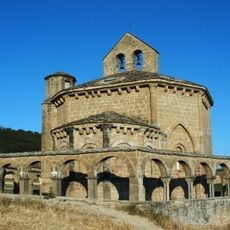
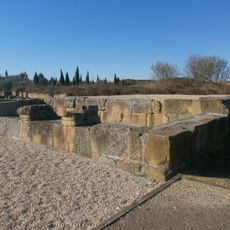
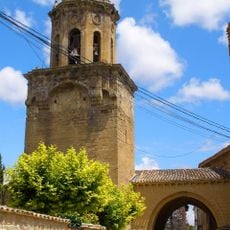
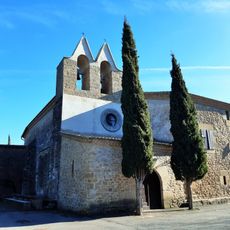
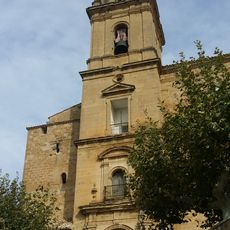
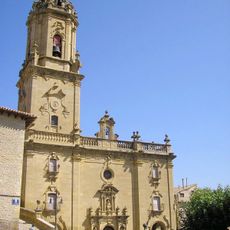
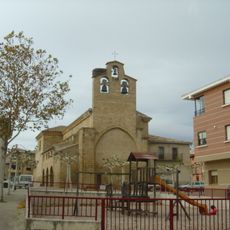
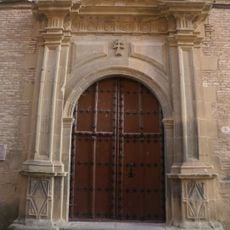
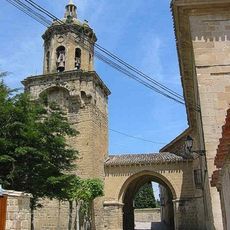
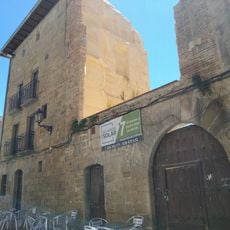
Cerco de Artajona is a medieval fortified enclosure that surrounds the village with walls and defensive structures that remain visible today. The complex includes several preserved gates and towers that once protected the settlement and continue to define its appearance.
Construction began between 1085 and 1109 under Hugo de Conques, the first Toulouse canon to serve as rector, after the bishop of Pamplona Pedro de Roda granted the lordship of Artajona to the canons of Saint Sernin of Toulouse in 1084. The Toulouse priory held the town until 1625, when it passed to the Royal Collegiate Church of Santa María de Roncesvalles. The walls were rebuilt several times, notably in the 14th century under Charles II of Navarre.
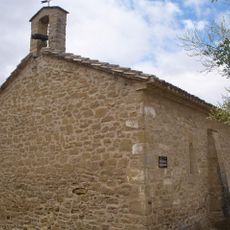
The bells of El Cerco are said to be the only ones in the world rung in reverse. Four survive, two of them Roman; the oldest dates from 1735 and the largest weighs 1,801 kg. Since a tradition set in 1896, bell-ringers from every church in Navarra must ring them once.
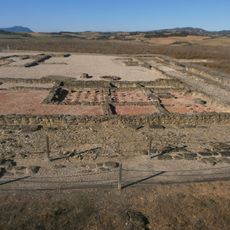
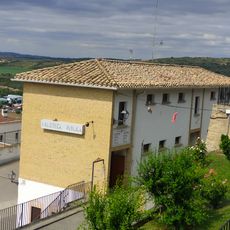
The site sits on a hilltop and offers good views of the surrounding Navarra region as you walk around. You can best explore the walls and gates on foot, taking time to observe the different sections and structures from various angles.
Hidden beneath the ground near the church lies a medieval stone water cistern that shows how residents stored water. This underground structure reminds visitors how critical water supply was for daily life in the fortified settlement.
The community of curious travelers
AroundUs brings together thousands of curated places, local tips, and hidden gems, enriched daily by 95,352 contributors worldwide.