Can Julià, masia in Vallirana (Baix Llobregat, Catalonia)
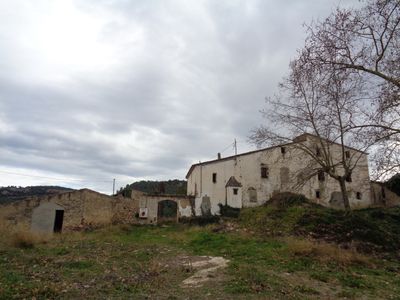
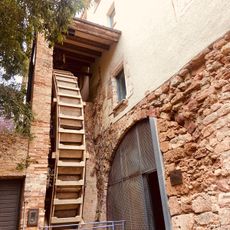
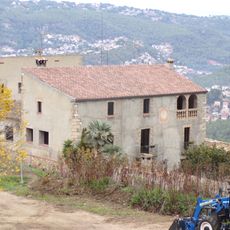
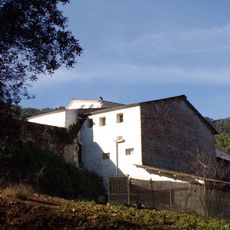
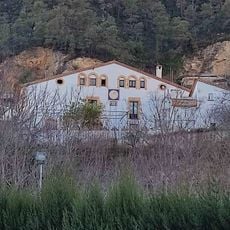
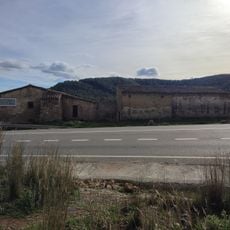
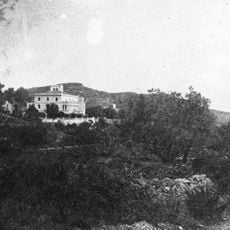
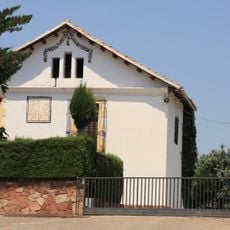
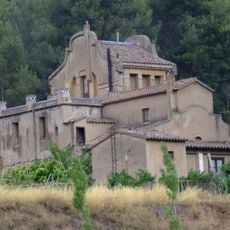
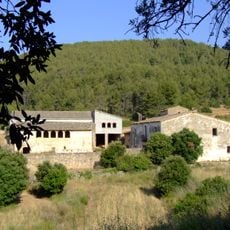
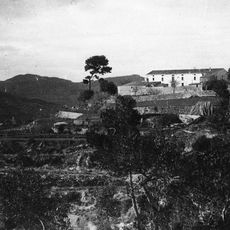
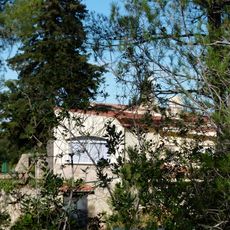
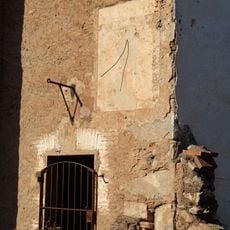
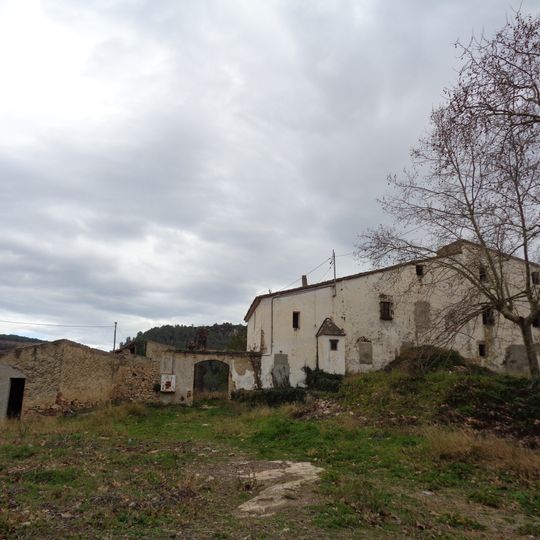
Can Julià is a farmhouse in Vallirana with a rectangular shape, thick stone walls, and three levels including a ground floor, first floor, and upper garret. The northwest entrance features a rounded stone arch, windows are framed in stone with metal bars, and the roof has two slopes covered with clay tiles typical of the region.
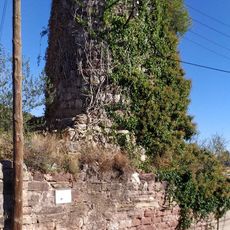
The earliest parts of the building include a tower from the 11th century, later expanded with new sections in the 13th, 14th and subsequent centuries. The property was damaged and robbed during the Napoleonic Wars in 1808, and later served as a refuge during the civil war around 1936.
The name Can Julià comes from the Julià family, who lived here and owned the property for centuries. The farmstead shows how rural communities built their homes using local stone and traditional methods, reflecting the practical building culture of the Catalan countryside.
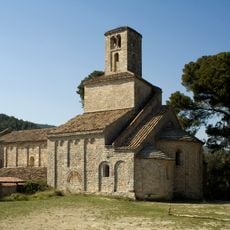
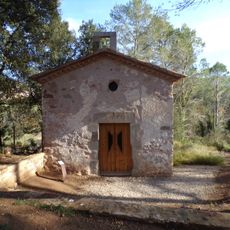
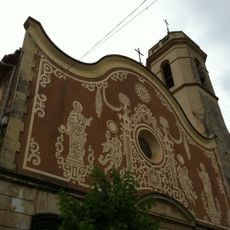
The farmhouse has been abandoned for many years and is in poor condition, so viewing from a distance is recommended. The nearby ruins of the church Sant Mateu provide context for the site's historical importance and can serve as a landmark when exploring the area.
Inside the farmhouse are remnants of wine presses and stone basins used for grape processing, showing that winemaking was central to the family's livelihood. Just meters away stand the ruins of the church Sant Mateu, hinting at a once-thriving community that gathered there.
The community of curious travelers
AroundUs brings together thousands of curated places, local tips, and hidden gems, enriched daily by 90,750 contributors worldwide.