Church of La Asunción de Nuestra Señora, Santa María del Campo, Gothic church in Santa María del Campo, Spain.
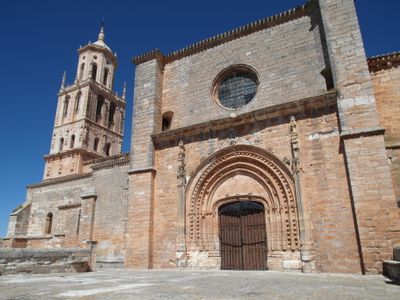
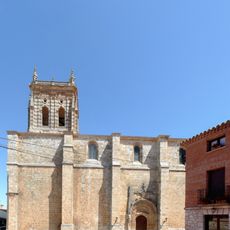
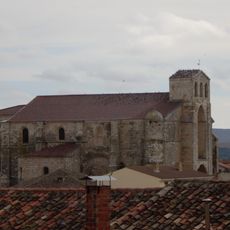
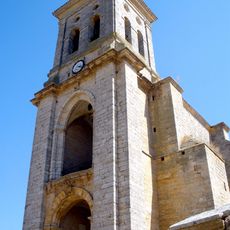
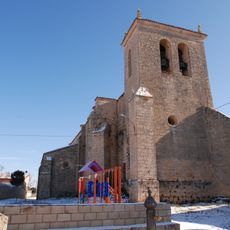
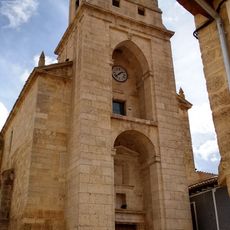
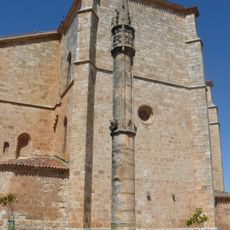
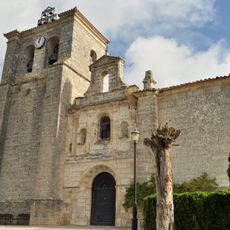
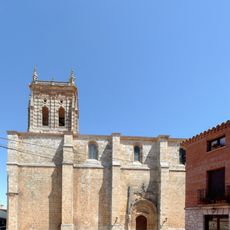
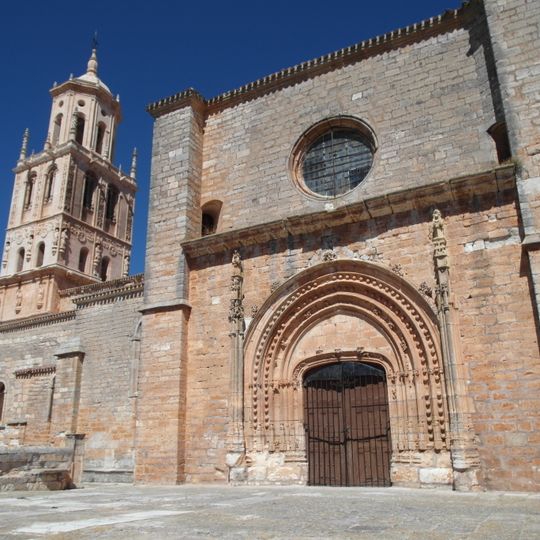
The Church of Nuestra Señora de la Asunción is a Gothic temple with three high naves, a five-bay crossing and a polygonal apse raised above a Plateresque stairway. Its Renaissance bell tower, begun by Diego de Siloé in 1527 and continued by Juan de Salas from 1534, has four tiers of windows, pilasters, grotesques and statues, topped by an octagonal lantern.
Construction of the church began in the 13th century and spanned multiple centuries, with the tower designed by Diego de Siloe in 1527. This long building phase reflects the changing architectural styles and techniques applied across generations.
The church keeps Flemish tapestries woven around 1590 in wool, linen, silk and gold, signed "B.B." for a Brussels workshop and showing scenes from the stories of Artemisia and Scipio. In the trascoro hang panels by Pedro Berruguete and Juan Sánchez, alongside Gothic processional crosses and a 16th-century Mudéjar-Gothic pulpit.
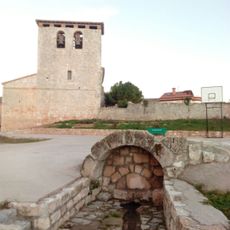
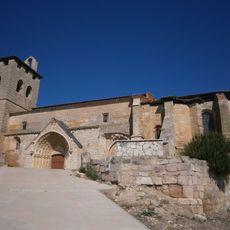
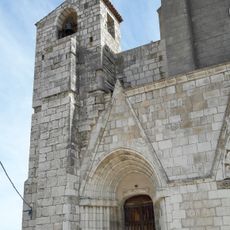
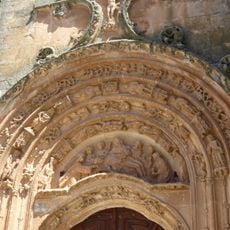
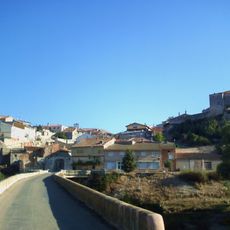
The church stands in the centre of Santa María del Campo, with the main portal under the tower reached by a wide staircase. The north portal, attributed to Simon of Cologne, and the simpler south portal open onto the side streets. Inside, the plateresque stair to the raised presbytery and the Christ Chapel, built around 1530, are easy to miss.
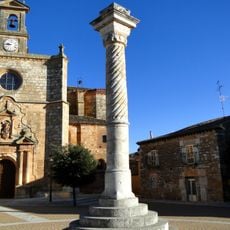
The tower was begun in 1527 by Diego de Siloé and continued from 1534 by his pupil Juan de Salas, who crowned it with an octagonal lantern. Its lower body serves as a porch, opening through a large arch between rows of columns, while the upper bodies are pierced by windows of varied shapes and covered with pilasters, grotesques, statues, canopies and medallions.
The community of curious travelers
AroundUs brings together thousands of curated places, local tips, and hidden gems, enriched daily by 95,459 contributors worldwide.