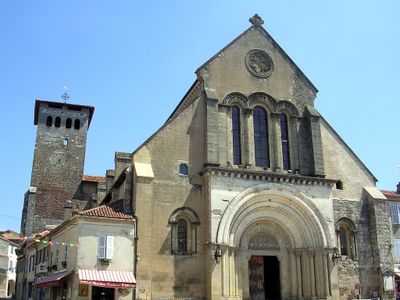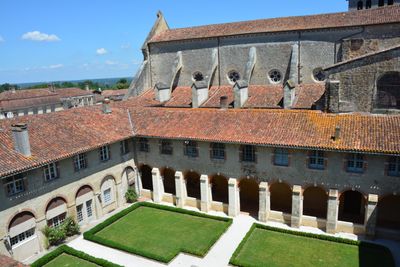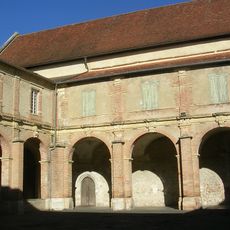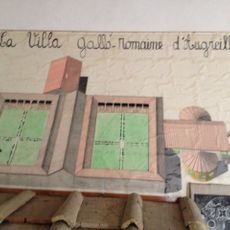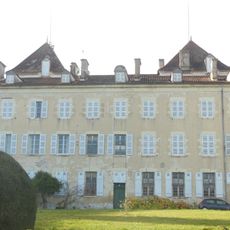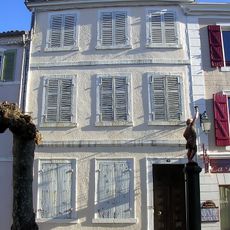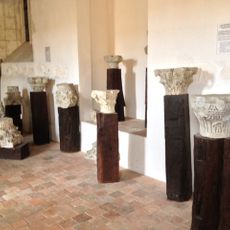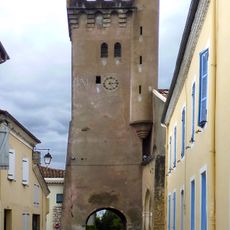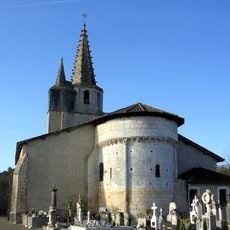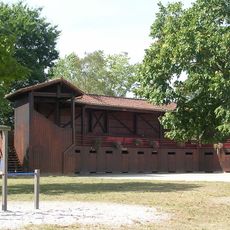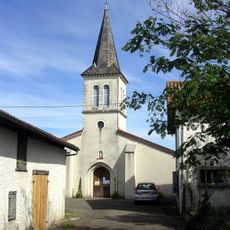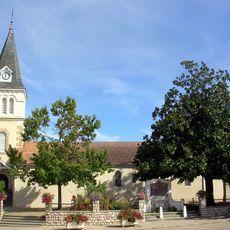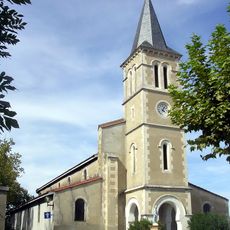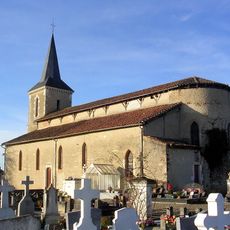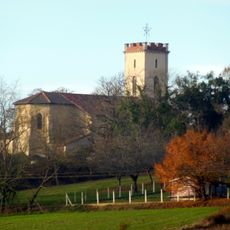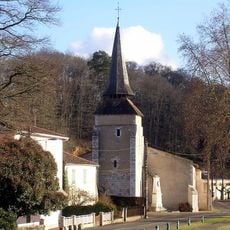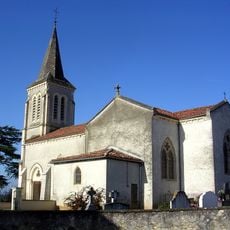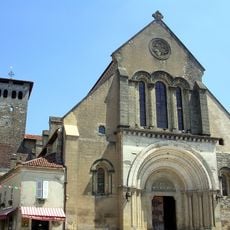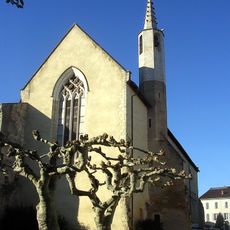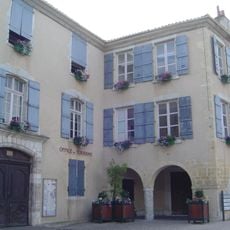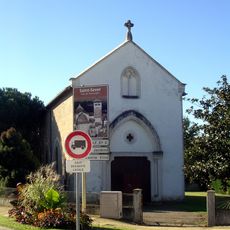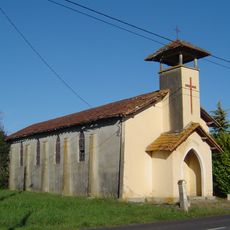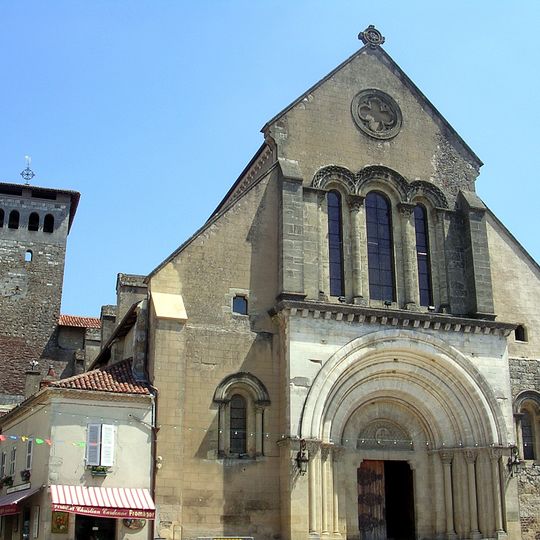
Saint-Sever Abbey, Romanesque abbey in Saint-Sever, France.
Saint-Sever Abbey is a Romanesque monastery in southwestern France, known for its seven stepped apses arranged in a row along the eastern end of the church. These semicircular structures form the distinctive rear section of the building and create an unusual layout with multiple smaller chapels branching outward.
Guillaume Sanche, lord of Gascony, founded the monastery in the late 10th century after defeating Viking invaders in 982. Following a devastating fire in 1060, it was rebuilt in Romanesque style with radiating chapels modeled on Cluny Abbey.
The monastery served as a center of manuscript art where monks created the Saint-Sever Beatus between 1028 and 1072, an illuminated work depicting biblical apocalyptic interpretations. These decorated pages show how important artistic practice was to the religious community that lived here.
The site welcomes visitors year-round, and guided tours help explain the architecture and history of the place. It is best to allow time to walk through the different chapels and examine the details at your own pace.
The monastery holds a rare medieval manuscript called the Beatus, hand-illuminated between 1028 and 1072, showing biblical scenes with remarkable artistic detail. This work ranks among the finest examples of monastic book art from this era.
The community of curious travelers
AroundUs brings together thousands of curated places, local tips, and hidden gems, enriched daily by 92,915 contributors worldwide.