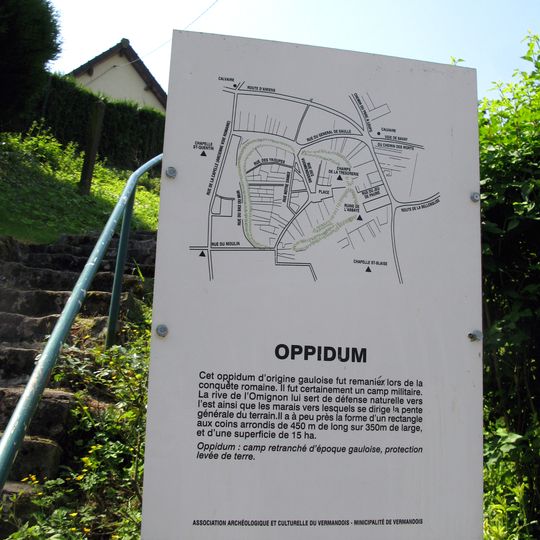
Augusta Viromanduorum, Roman archaeological site in Vermand, France
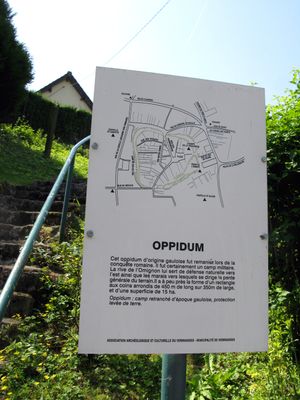
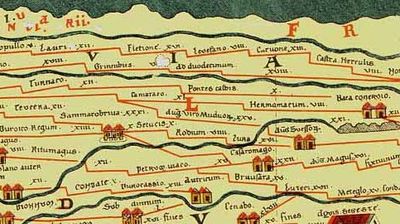
Augusta Viromanduorum is a Roman settlement in northeastern France whose remains are scattered across a large area, revealing different layers of the ancient city. Excavations have uncovered residential buildings, workshops, and fortification structures that show how the settlement functioned as a trading center at the crossroads of major routes.
The settlement was established during the early Roman period and served as a regional hub for the Viromandui, a Celtic people who adapted to Roman rule. The community gradually declined and was eventually abandoned during the troubled 4th century as political instability spread through the empire.
The site reveals how local people adapted to Roman ways while maintaining their own building traditions and social practices. This blend of local and Roman styles is visible in the remains of houses, workshops, and public spaces scattered across the land.
The site is mostly accessible to visitors but requires sturdy footwear and patience as you walk over uneven ground and active excavation areas. It helps to check ahead about current ongoing work to see which sections are open for viewing or if guided tours are available.
Two inscriptions from Roman soldiers discovered in Rome hint that inhabitants of this settlement served in the imperial capital itself. These rare finds reveal the unexpected reach of connections between this distant provincial town and the center of power.
The community of curious travelers
AroundUs brings together thousands of curated places, local tips, and hidden gems, enriched daily by 60,000 contributors worldwide.