Brévenne Aqueduct, Roman aqueduct in Lyon, France
The Brévenne Aqueduct is a Roman water channel that stretches roughly 70 kilometers across the French landscape connecting mountain springs near Aveize to the ancient city of Lyon. The structure includes four tunnels and six spillways designed to move water downhill across varying terrain.
The aqueduct was built in the mid-1st century AD under Emperor Claudius to supply water to the ancient city of Lugdunum. Following the decline of Roman rule, it gradually fell into disrepair and was forgotten until modern researchers rediscovered its remains.
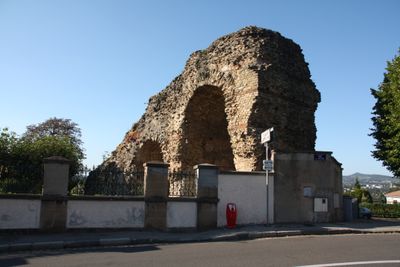
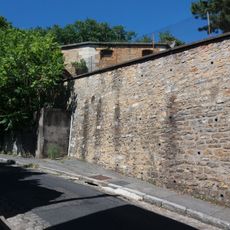
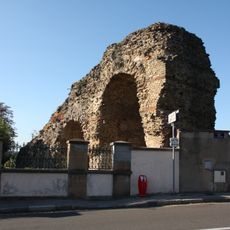
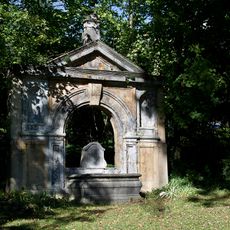
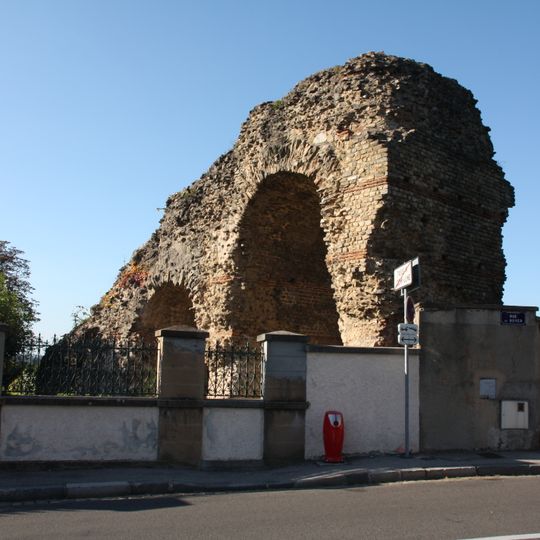
The aqueduct displays Roman building techniques through its rectangular channel and arched structure, visible in the sections that remain standing today. Local people and visitors recognize it as a symbol of the Romans' practical approach to solving everyday problems.
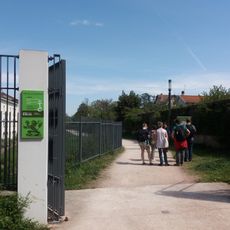
A walking trail with information signs lets you explore different sections of the aqueduct and see the structure up close. The main starting point is near Montromant where you can park for free and begin your visit.
One of the most remarkable features was an underground pipe system that carried water across deep valleys by using gravity to push it through a siphon effect. This ingenious method allowed Roman engineers to move water down and then back up as the terrain required.
The community of curious travelers
AroundUs brings together thousands of curated places, local tips, and hidden gems, enriched daily by 60,000 contributors worldwide.