Kompleks Percandian Muara Takus, Buddhist temple complex in Kampar, Indonesia
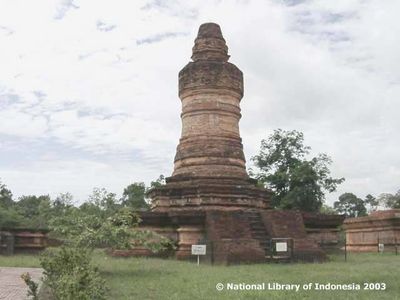
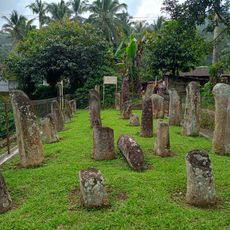
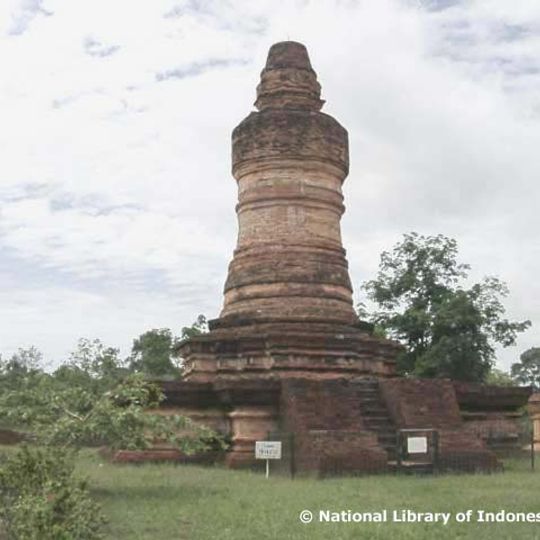
Muara Takus temple complex consists of multiple stone buildings arranged around the central Candi Mahligai, which stands with a square base and rising tower roof. The entire site spreads across an area with various smaller structures and remains built from stone and brick.
The site originates from the 7th century during the Sriwijaya Kingdom and was documented through archaeological studies beginning in 1860. Later excavations in the 1930s revealed further evidence of the site's long history.
The architecture blends Buddhist and Hindu elements through lotus patterns and stepped pyramid forms that shaped how communities understood sacred buildings. This mixing shows how different spiritual traditions coexisted in this region.
The site is easily accessible and offers information panels at various points to help understand the layout. Visitors should wear comfortable shoes and allow time to walk slowly through the structures and notice details.
Excavations uncovered gold plates inscribed with Trisula symbols and ancient Nagari script, indicating connections to maritime trading networks. These finds suggest the site was an important stop in ancient commercial routes.
The community of curious travelers
AroundUs brings together thousands of curated places, local tips, and hidden gems, enriched daily by 60,000 contributors worldwide.