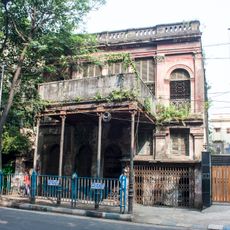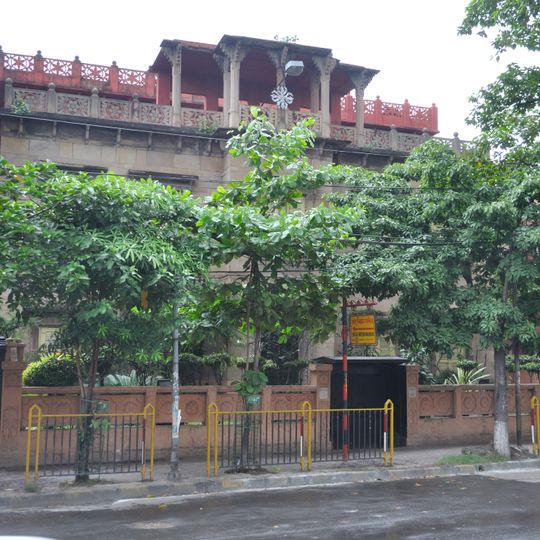
Bose Institute, Research institute in Kolkata, India
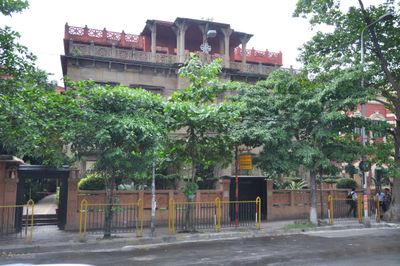
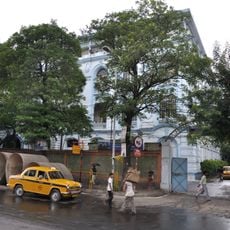
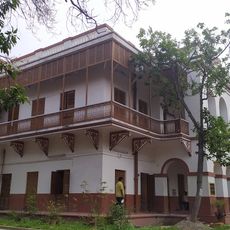
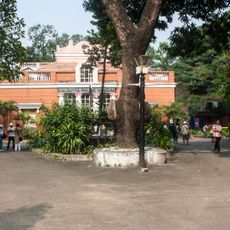
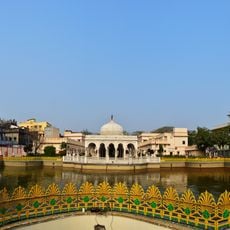
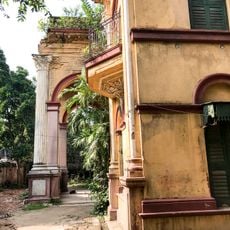
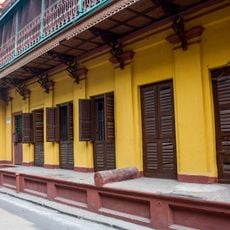
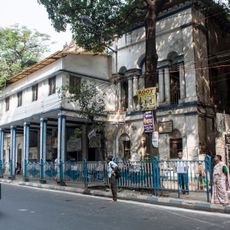
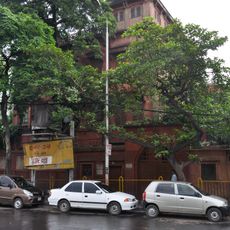
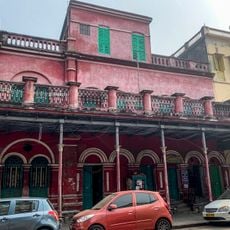
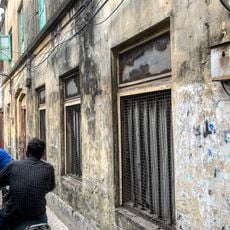
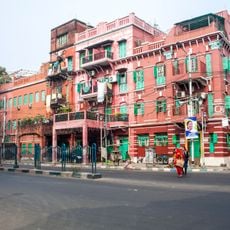
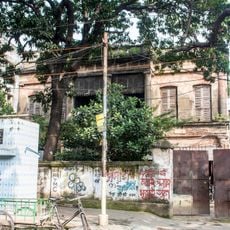
The Bose Institute occupies several research buildings on a campus in central Kolkata, where teams work on questions in chemistry, physics and biology. The premises contain laboratories, lecture halls and archive areas that together form a working environment for scientists from different disciplines.
A Bengali physicist founded the facility in 1917 as the first independent research center of its kind in Asia. It emerged from his wish to provide Indian scientists with a place where they could work without colonial administrative structures.
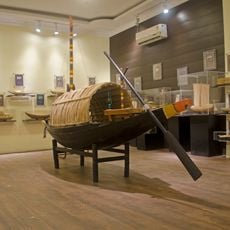
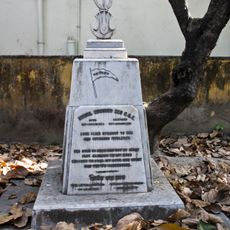
The facility carries the name of its founder, a scientist from the Bengal Renaissance who first studied plant responses to stimuli. Visitors can walk through corridors lined with scientific apparatus from the early days of modern research in South Asia.
The library opens on weekdays for visitors who wish to consult scientific literature and holds more than 100,000 volumes. Guided tours through selected areas can be arranged for groups, though access to active laboratories is typically restricted.
The founder designed a device called the crescograph that made tiny movements in plants visible and is now displayed in a glass case at the facility. This instrument helped him show that plants respond to external influences, an idea that was questioned at the time.
The community of curious travelers
AroundUs brings together thousands of curated places, local tips, and hidden gems, enriched daily by 91,120 contributors worldwide.