Ontario tobacco belt, Agricultural region in southwestern Ontario, Canada
The Ontario tobacco belt spans Norfolk County and parts of eastern Elgin County with sandy soils and a moderate climate near Lake Erie's shore. The landscape consists of working farms that mix traditional tobacco growing with newer crops like ginseng, soybeans and lavender.
Tobacco farming began in the 1920s when expert growers from the American South traveled north to teach local farmers how to grow flue-cured Virginia leaf. This practice rapidly became the region's main crop and shaped its economy for decades.
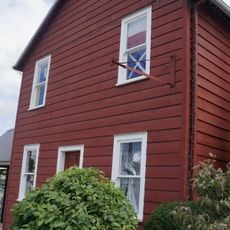
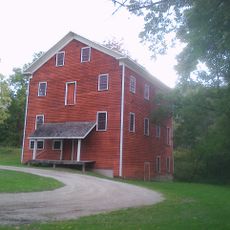
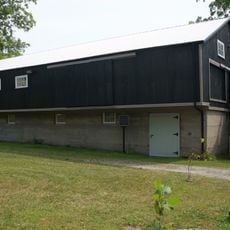
Immigrant communities from Belgium, Germany, Poland and the Netherlands settled here in the early 1900s and shaped local farming traditions. Visitors can see their influence reflected in farm architecture and the way crops are cultivated across the landscape today.
The region is easy to navigate on rural roads that wind through working farms and small villages where you can observe daily agricultural activity firsthand. Visit during the growing season in summer or harvest times in spring and fall to see the land at its most active.
Though historically known for tobacco production, the region has undergone a major shift and now focuses on alternative crops like ginseng and specialty plants. This transformation shows how farmers adapted their operations when tobacco demand declined.
The community of curious travelers
AroundUs brings together thousands of curated places, local tips, and hidden gems, enriched daily by 92,226 contributors worldwide.