Hirsau Abbey, Benedictine monastery in Black Forest region, Germany
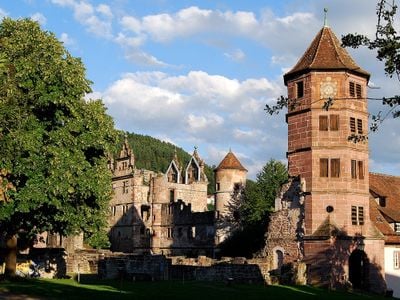
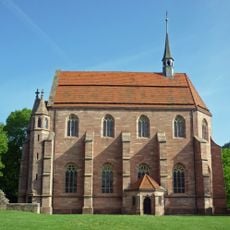
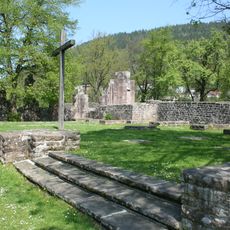
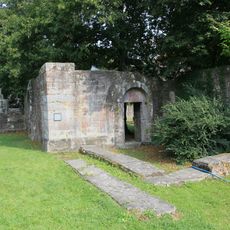
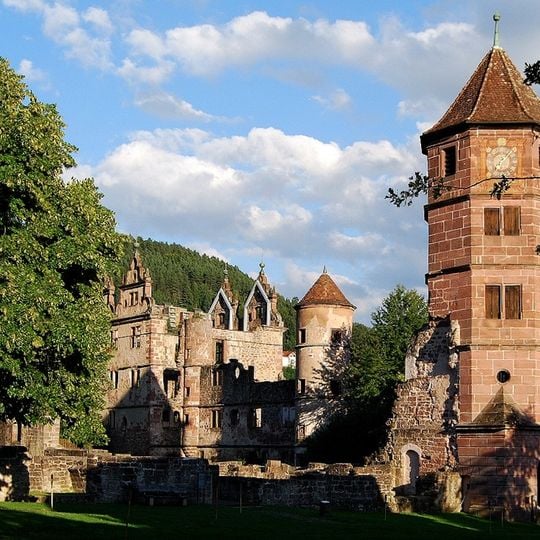
Hirsau Abbey is a Benedictine monastery in the Black Forest featuring a striking 37-meter Eulenturm tower and surrounded by the remains of the Church of St. Peter and Paul in the Nagold Valley. The site displays Romanesque, Gothic, and Renaissance elements that reflect different construction phases and transformations across the centuries.
The monastery was founded in 801 and experienced its greatest growth after 1082, when an ambitious building program transformed it into the largest monastery in German-speaking Europe. This period of expansion established its lasting influence across the medieval world.
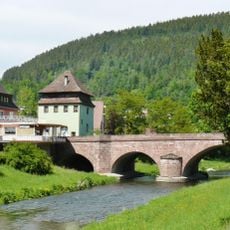
The monastery takes its name from the nearby settlement and still reflects its role as a spiritual center for the entire region. Visitors can observe how the complex was designed to support the daily rhythm of monastic life and serve the surrounding community.
The grounds are accessible daily and invite visitors to explore the ruins and varied architectural styles at their own pace. It helps to allow time for examining details and appreciating the valley location that once made the monastery strategically advantageous.
The Eulenturm displays mysterious carved figures in a frieze that set it apart from other medieval religious structures in the region. These puzzling representations still intrigue visitors today and represent an artistic detail that often goes unnoticed.
The community of curious travelers
AroundUs brings together thousands of curated places, local tips, and hidden gems, enriched daily by 92,369 contributors worldwide.