Limburgerhof, municipality of Germany
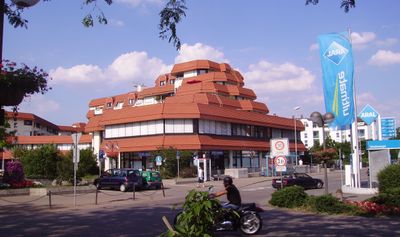
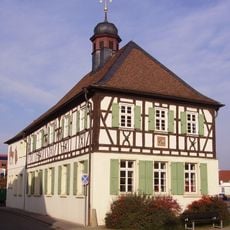
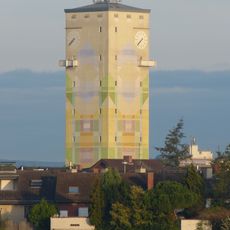
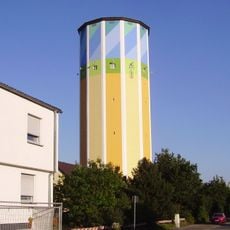
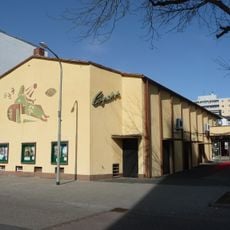
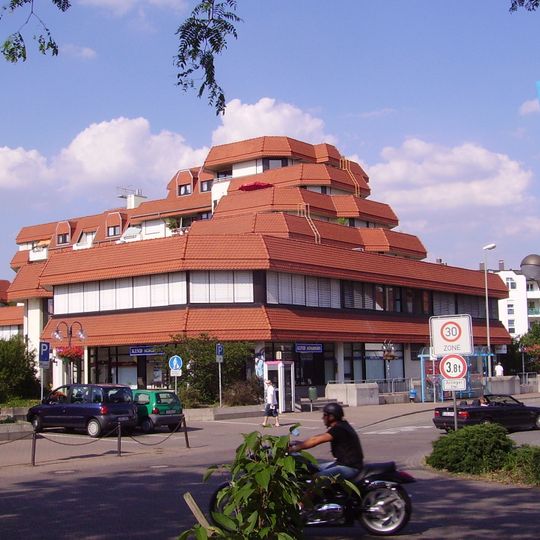
Limburgerhof is a municipality in Rhein-Pfalz district with around 11,500 residents that gained political independence in 1930. The town center at Burgunder Platz houses the town hall, a cultural hall, shops and medical offices, while the BASF farm research center with about 1,400 employees serves as a major employer focused on agricultural research.
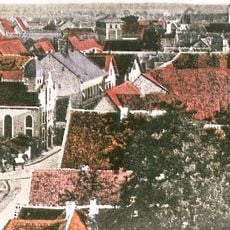
The area was first mentioned in 1035 when King Conrad II assigned land to the Limburg monastery, but the youngest municipality in Rhein-Pfalz district was only created in 1930 from parts of four neighboring towns. Growth accelerated in the 20th century following the construction of the railway in the 19th century and later through the establishment of BASF experimental stations founded in 1914 under Nobel Prize winner Carl Bosch.
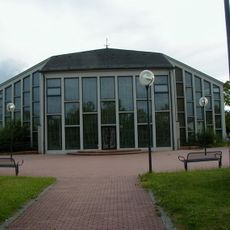
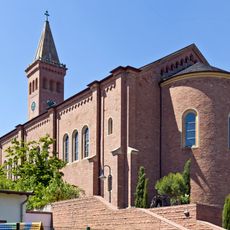
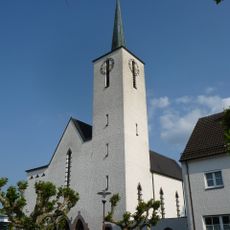
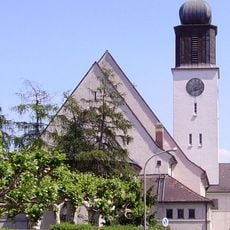
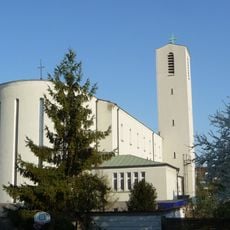
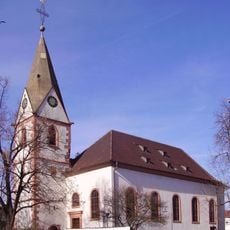
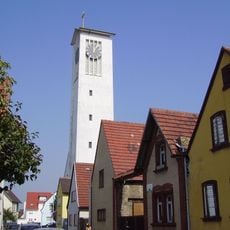
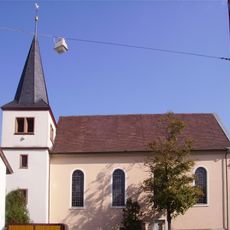
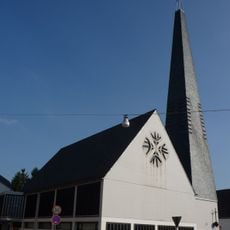
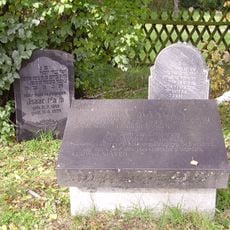
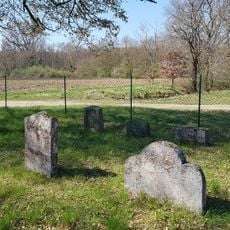
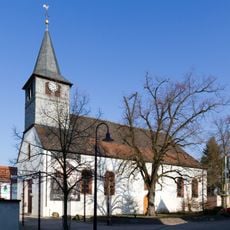
Mennonite families settled here starting in the 17th century and their traditions remain active in the community today. The local churches and cemetery reflect the simple building styles and values that helped shape the town's character from its earliest days.
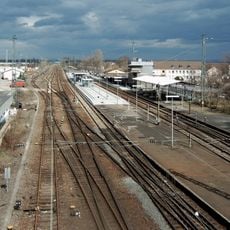
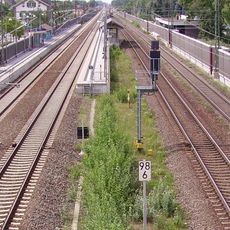
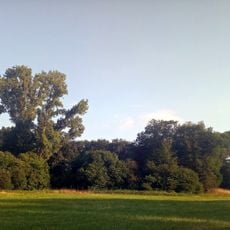
The town is easily reached by car via federal road B9 and motorway A61 and has a train station with direct connections to the regional network toward Mannheim and Saarbrücken. Visitors can find accommodations in guest rooms and a hotel plus easy access to parks, the Aquabella leisure pool and Waldstadion for recreation.
The BASF farm research center was founded in 1914 by Nobel Prize winner Carl Bosch and remains an important international site for plant health and seed development research today. The town was largely unknown until this research facility brought it into the global spotlight.
The community of curious travelers
AroundUs brings together thousands of curated places, local tips, and hidden gems, enriched daily by 92,694 contributors worldwide.