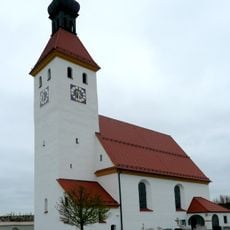
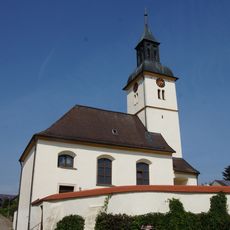
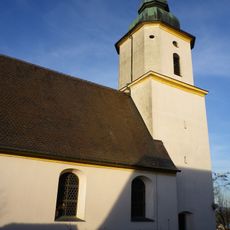
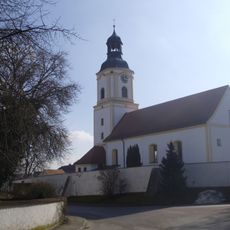
Nassenfels Castle, Medieval castle in Nassenfels, Bavaria, Germany
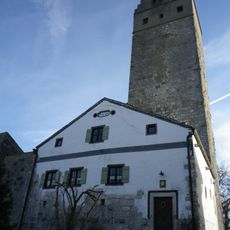
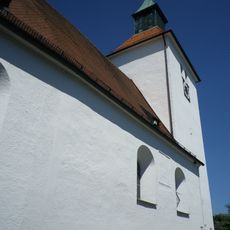
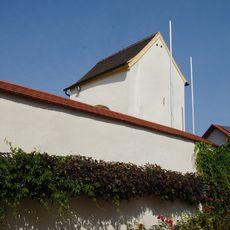
Nassenfels Castle is a medieval fortress with a rectangular layout, five-meter-high defensive walls, and three preserved tower structures. A prominent watchtower stands along the southern edge and defines the site's appearance.
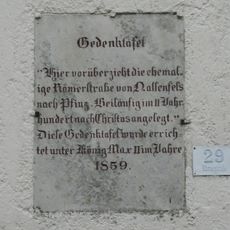
Nassenfels was a market village in the hinterland of the Rhaetian Limes by the 2nd century AD, protected by a small Roman castellum. The castle first appears in records in 1245, when Count Gebhard of Hirschberg was murdered by his court jester during its siege. The present structure mainly reflects expansions under Bishops Conrad II of Pfeffenhausen (1297–1305) and Frederick IV of Oettingen around 1400.
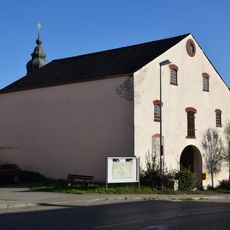
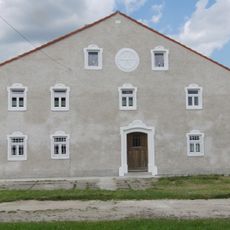
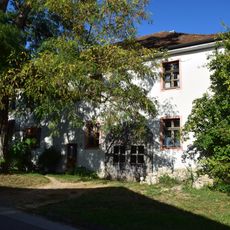
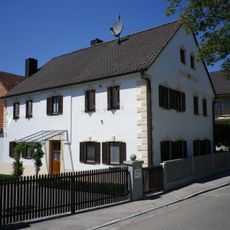
The castle was the seat of the Eichstätt officials and stewards until 1804. In 1699, court architect Jakob Engel built the Kastenhaus in the southeast corner as the steward's office. After secularisation, a revenue office occupied the rooms for two years.
The castle is inhabited and its interior remains private, but visitors can study the medieval architecture and defensive walls from outside. The site is best explored by walking around the exterior and viewing the towers from different angles.
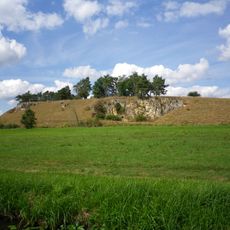
In 1982, excavations inside the castle grounds uncovered finds from 70,000 BC to the Celtic era around 2,000 BC. About a metre down, diggers hit a 145-million-year-old coral reef known as the Speckberg, which also gives its name to the Jura houses built on it.
The community of curious travelers
AroundUs brings together thousands of curated places, local tips, and hidden gems, enriched daily by 93,160 contributors worldwide.