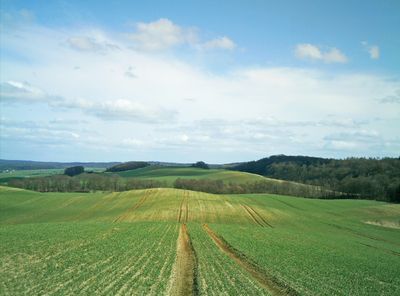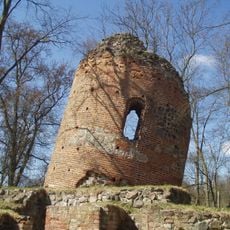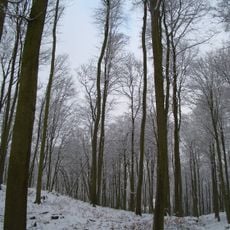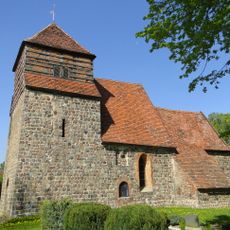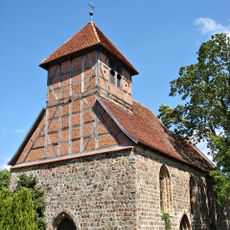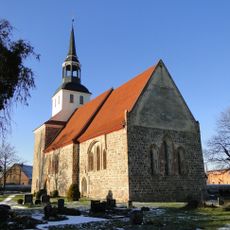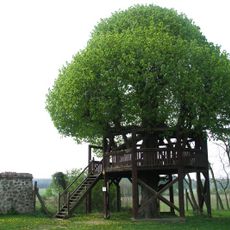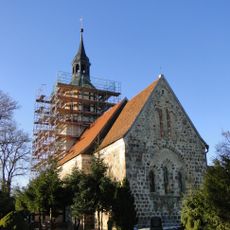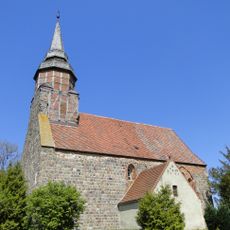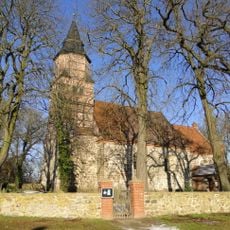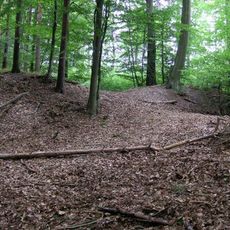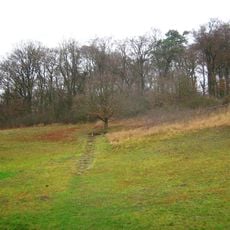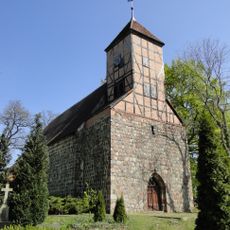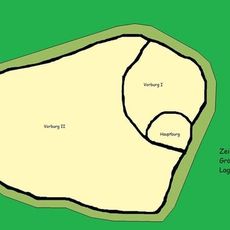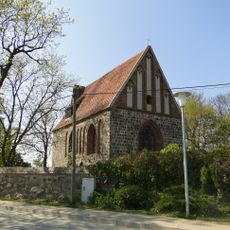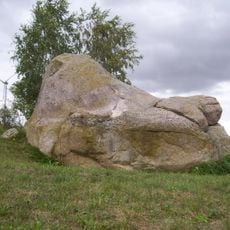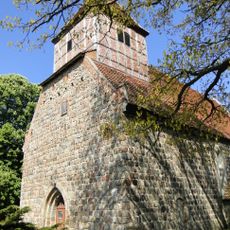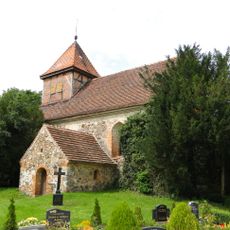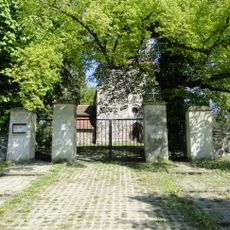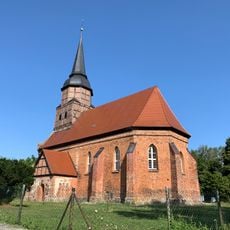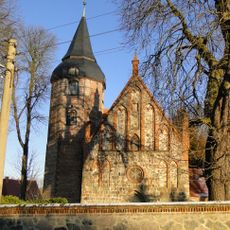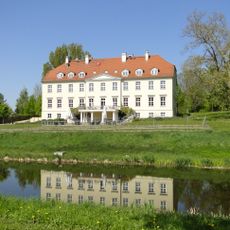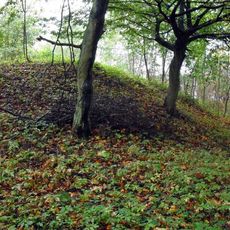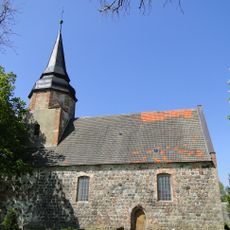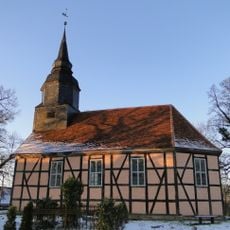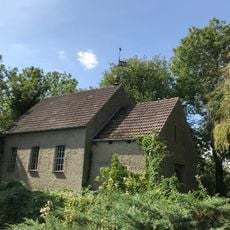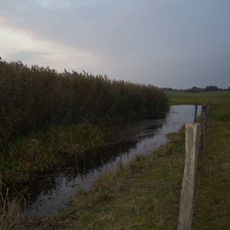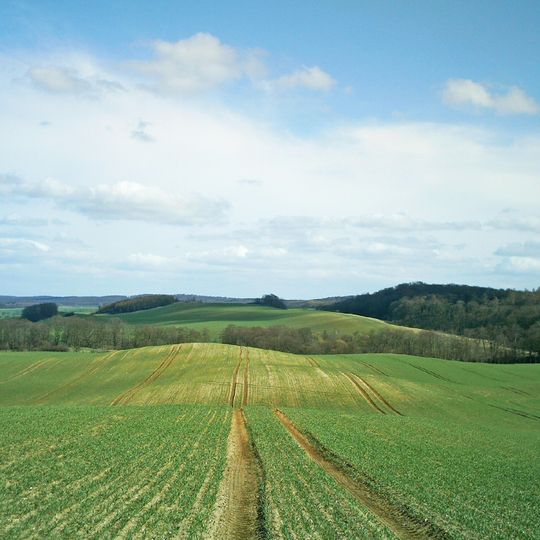
Brohmer Berge, Terminal moraine in Mecklenburg Lake District, Germany.
The Brohmer Berge is a chain of hills in the Mecklenburg Lake District, northeastern Germany, shaped by glacial deposits left at the edge of an ancient ice sheet, with the highest point reaching 153 meters. The terrain rolls through forested slopes, shallow valleys, and scattered water bodies that give the area its character.
These hills formed around 13,700 years ago as glaciers retreated and left behind the material they had been pushing forward, creating a terminal moraine. Slavic peoples settled here afterward and left their mark in place names that are still in use today.
The name Brohmer Berge comes from a Slavic word meaning gate, a trace of early settlements whose influence still shows up in local place names today. People from nearby towns walk these hills regularly, treating them as a familiar part of everyday life rather than a destination.
Several hiking paths cross the area and connect nearby towns such as Friedland, Jatznick, and Strasburg, making it easy to plan routes of different lengths. The ground can be uneven and sometimes wet, so sturdy footwear makes the walk more comfortable.
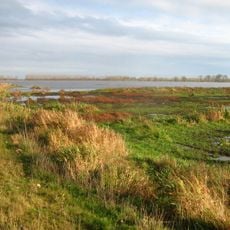
Scattered across the hills are kettle holes, small round depressions left by buried blocks of ice that melted away long after the glacier itself retreated. Lake Galenbeck sits at the northern edge of the hills and is one of the largest low-lying peatlands in northern Germany.
The community of curious travelers
AroundUs brings together thousands of curated places, local tips, and hidden gems, enriched daily by 91,869 contributors worldwide.