Bramstedter Schloss, Historical building in Bad Bramstedt, Germany
Bramstedter Schloss comprises a gatehouse and stable building situated on the Bleeck, the main square of Bad Bramstedt in Schleswig-Holstein. The municipality now operates this site as its administrative center, using the spaces for civic services, wedding ceremonies, and cultural activities throughout the year.
The estate gained noble status in 1540 and passed to Danish royal chancellor Caspar Fuchs before a 1628 fire destroyed the farm buildings. In 1631 Arend Steding sold it to King Christian IV, who in 1633 granted it to Wiebke Kruse; the gatehouse dates from this period and was rebuilt around 1647 in late Northern Renaissance style. After the old castle was demolished in 1751, parts of its fittings were installed in the gatehouse, which was converted into a Rococo residence.
Inside the gatehouse, Italian stucco artist C. D. Martini created Rococo decorations that visitors can still admire today, reflecting the tastes of the nobles who lived here. These ornamental details show how important artistic craftsmanship was to the families who called this place home.
The buildings are centrally located on Bad Bramstedt's main square and are easily accessible on foot. Access may be limited depending on scheduled events or administrative activities taking place inside.
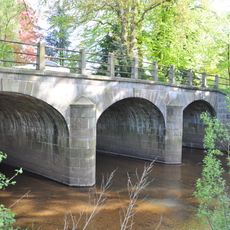
The gatehouse was rebuilt around 1647 in the late Northern Renaissance style, but its plain brick facades hide a surprise: the interior was decorated in Rococo by Italian stucco artist C. D. Martini, and much of that ornament survives. The former castle stood across the Hudau, about thirteen metres wide, and was demolished in 1751; its site is now occupied by houses.
The community of curious travelers
AroundUs brings together thousands of curated places, local tips, and hidden gems, enriched daily by 94,553 contributors worldwide.