Burg Argenschwang, Medieval castle in Argenschwang, Germany.
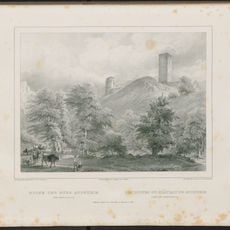
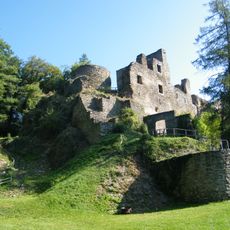
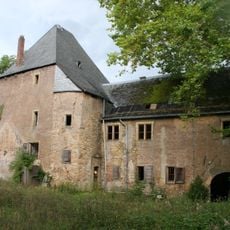
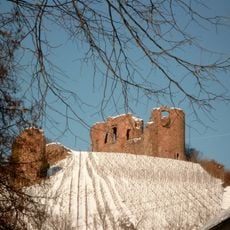
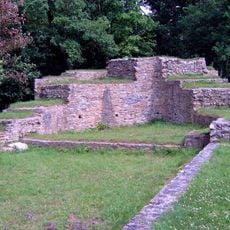
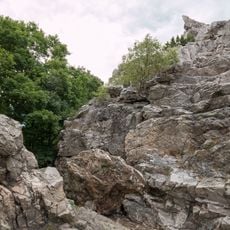
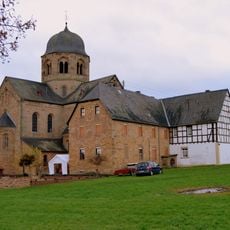
Rosenburg is a stone castle built on elevated ground in Argenschwang with a central tower and protective walls. The buildings and fortifications show how a medieval defensive structure was organized to guard against attack.
Built in the late Middle Ages, probably in the first half of the 14th century, the castle was first documented on 19 June 1332, when Count Johann II of Sponheim-Kreuznach enfeoffed his illegitimate son Simon von Argenschwang with it. In 1416 Ulrich II von Layen received it as a fief, and after the Sponheim line died out in 1437 it passed to several heirs, including the Margraves of Baden and the Electorate of the Palatinate. In 1793 it was destroyed in the First Coalition War; since 1977 it has been privately owned.
Locals have called the ruin Rosenburg since the 19th century, though the castle itself was always Argenschwang. The name refers to the site, not to any surviving rose garden. The ruin is privately owned and not open to the public, so the name lives on mainly in local speech and maps.
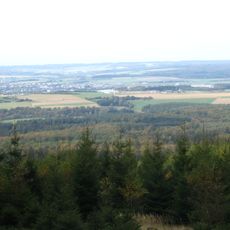
The ruin is on private land and is not open to the public, so it can only be viewed from outside; do not enter the grounds. It stands on a spur at about 295 m directly east above the village of Argenschwang. The approach runs along the north side of the hill and crosses the broad neck ditch to the preserved gatehouse.
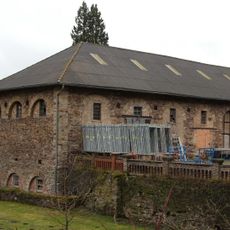
The castle is privately owned and not open to the public, so the ruins can only be seen from outside. Its popular name Rosenburg dates from the 19th century. The preserved three-storey gatehouse with its basket-arched passage was built in the 17th century, and a coat of arms above the passage is attributed to Eberhard von Leyhen (died 1675).
The community of curious travelers
AroundUs brings together thousands of curated places, local tips, and hidden gems, enriched daily by 93,318 contributors worldwide.