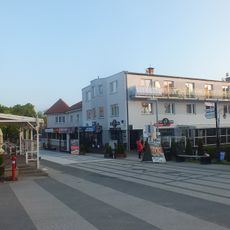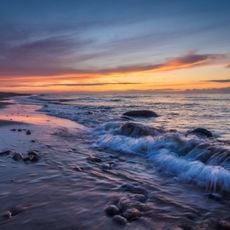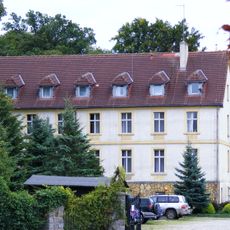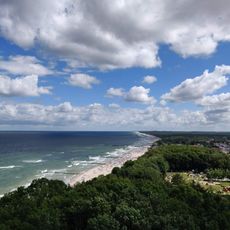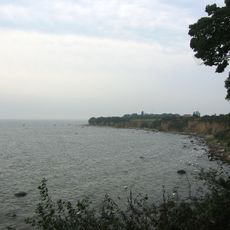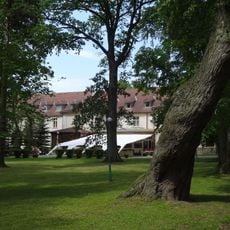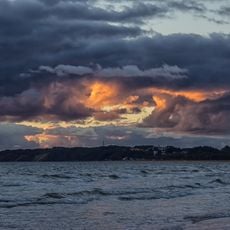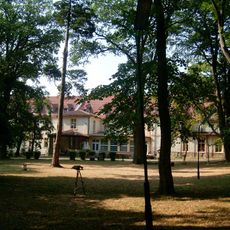
Denmark–Germany border, International border between Denmark and Germany, Europe
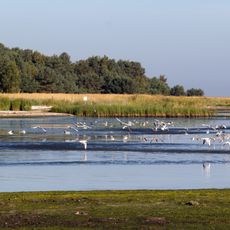
The Denmark-Germany border stretches about 68 kilometers across southern Schleswig and connects the North Sea to the western part of the Little Belt. The area is flat and mostly rural, with numerous small villages, fields, and few larger settlements on either side.
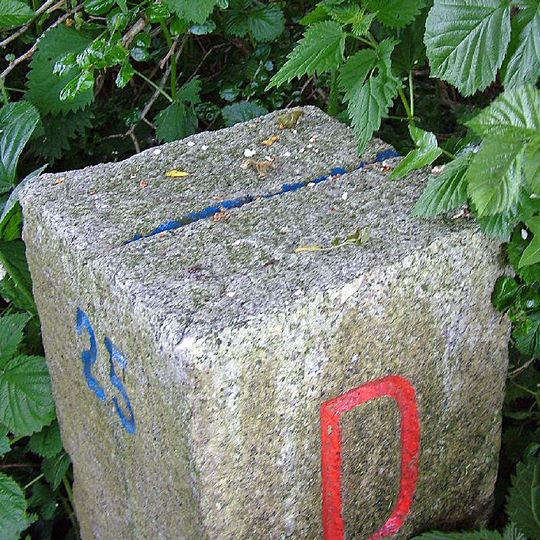
After the Prussian-Danish conflict in 1864, the Schleswig-Holstein region fell under Prussian control until referendums in 1920 established the current border. This boundary resolved decades of dispute over national identity and regional belonging.
The border region shows signs of shared history on both sides, with place names and traditions reflecting the long connection between communities. People here often speak both languages and move naturally between the two countries, making life in this area distinctive.
The border is easy to cross under Schengen rules, with free movement for citizens of both countries, though occasional security checks occur since 2016. Travelers should expect that controls may happen at certain road crossings.
A fence about 1.5 meters high was built in 2019 along the entire land border to prevent wild boars from crossing between the countries. This unusual structure shows how modern borders affect wildlife movement.
The community of curious travelers
AroundUs brings together thousands of curated places, local tips, and hidden gems, enriched daily by 92,049 contributors worldwide.