Kloster Wittenburg, Medieval monastery in Lower Saxony, Germany
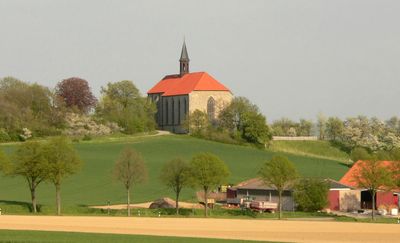
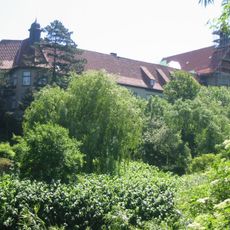
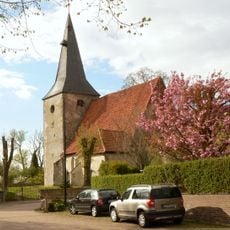
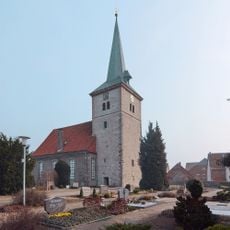
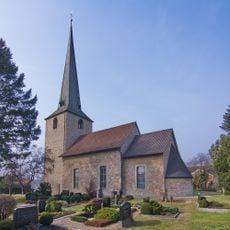
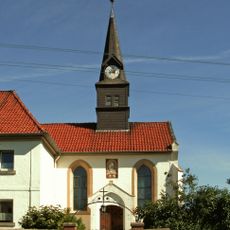
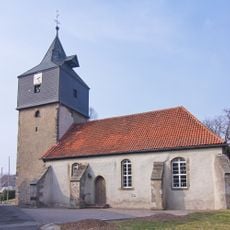
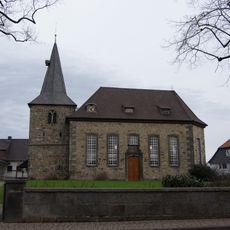
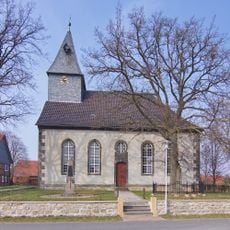
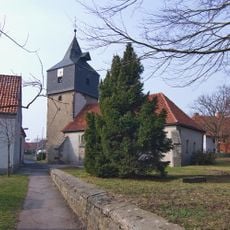
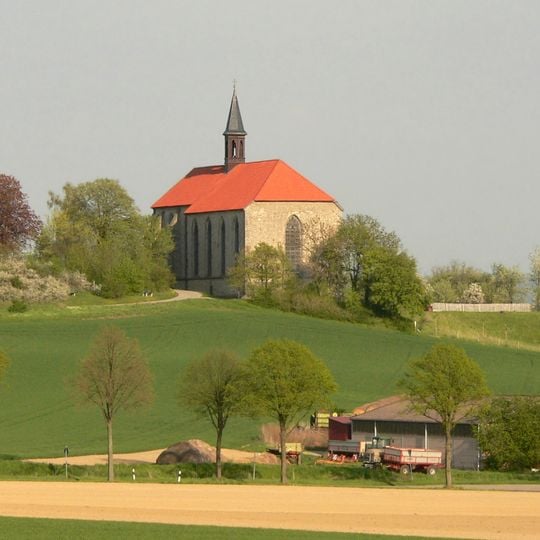
Kloster Wittenburg is a religious building with white limestone architecture situated on a ridge overlooking the Leine Valley, dating from the medieval period. The structure displays typical medieval design features, and the church building remains the most visible part of the monastery grounds today.
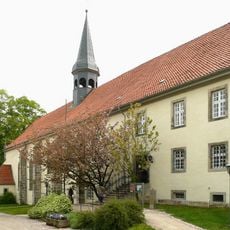
The site originated as a castle structure and was transformed into an Augustine monastery in 1328 after a hermit had gathered religious followers on the location. This conversion reflected a shift from military purposes to religious use that reshaped the entire purpose of the grounds.
The monastery served as a place where monks studied and created handwritten books, attracting people from nearby villages seeking spiritual guidance. Locals viewed it as a center of knowledge and faith that shaped the religious life of the region.
Visitors can explore the church building and monastery grounds by joining guided tours arranged by the Freunde der Wittenburger Kirche organization. It is recommended to contact them in advance to confirm visiting times and tour availability.
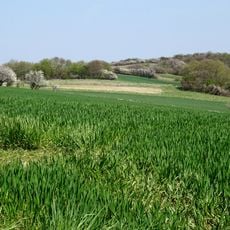
The ridge where the monastery stands was once called Vinie or Finie, a name suggesting ancient connections to vineyard cultivation. This location also served as a territorial boundary marker, giving it strategic importance for the surrounding region.
The community of curious travelers
AroundUs brings together thousands of curated places, local tips, and hidden gems, enriched daily by 90,806 contributors worldwide.