Geiseltal, Paleontological site in Braunsbedra, Germany.
Geiseltal is a paleontological site in Braunsbedra, Saxony-Anhalt, known for an exceptional collection of fossils found within lignite seams. The specimens range from plant material and insects to vertebrate bones, all dating to the Middle Eocene.
Systematic scientific work at the site began in the 1920s under Martin Luther University Halle-Wittenberg, though coal extraction in the area had been going on since the late 17th century. It was the mining activity itself that first exposed many of the fossil layers to view.
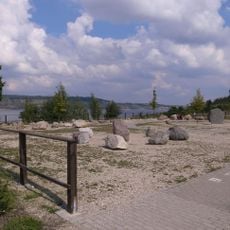
The name Geiseltal comes from the Geisel river, which once ran through the area before mining reshaped the land. In some spots, visitors can still see exposed rock layers that show how the ground has changed over time.
The site can be explored on foot, but sturdy shoes are a good idea since the ground can be uneven in places. A visit to the Geiseltal Museum in Halle beforehand helps put the fossils found here into context.
A complete skeleton of Propalaeotherium, an early ancestor of the modern horse roughly the size of a dog, was found here in 1933. The same area also yielded remains of ancient crocodiles and early birds, pointing to a tropical climate in this part of Europe at the time.
The community of curious travelers
AroundUs brings together thousands of curated places, local tips, and hidden gems, enriched daily by 90,756 contributors worldwide.