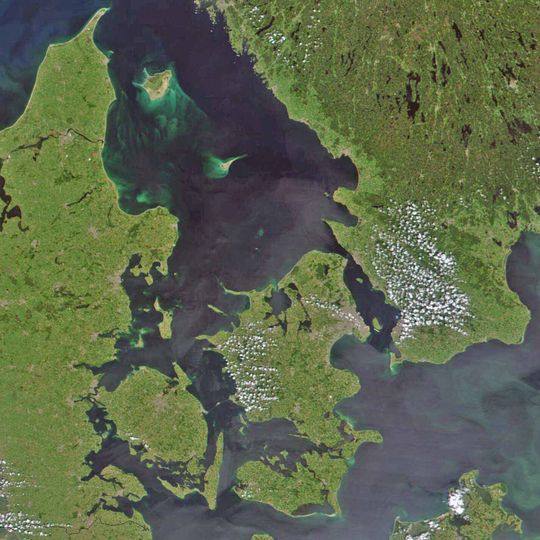
Danish straits, Water channels between Baltic Sea and North Sea, Denmark.
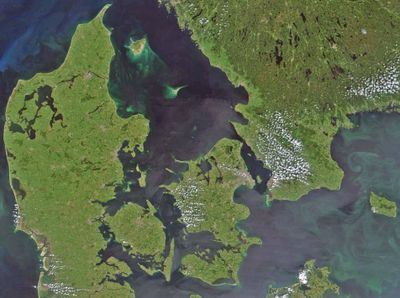
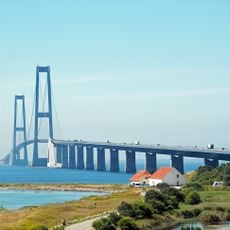
The Danish straits are a series of water passages between the Scandinavian Peninsula and the Jutland Peninsula that connect the North Sea with the Baltic Sea. They vary in width and are crossed by modern bridges and fixed links that bind Denmark to its neighboring countries.
In 1857, an international agreement removed Danish control over these straits and opened them to global shipping. This shift transformed these waterways into one of the world's most vital trade routes.
The local names reflect how Danes categorized these passages by width: broader channels are called 'belt' while narrower ones are 'sound'. This naming system shows how maritime traditions shaped the way people understood and talked about these waterways.
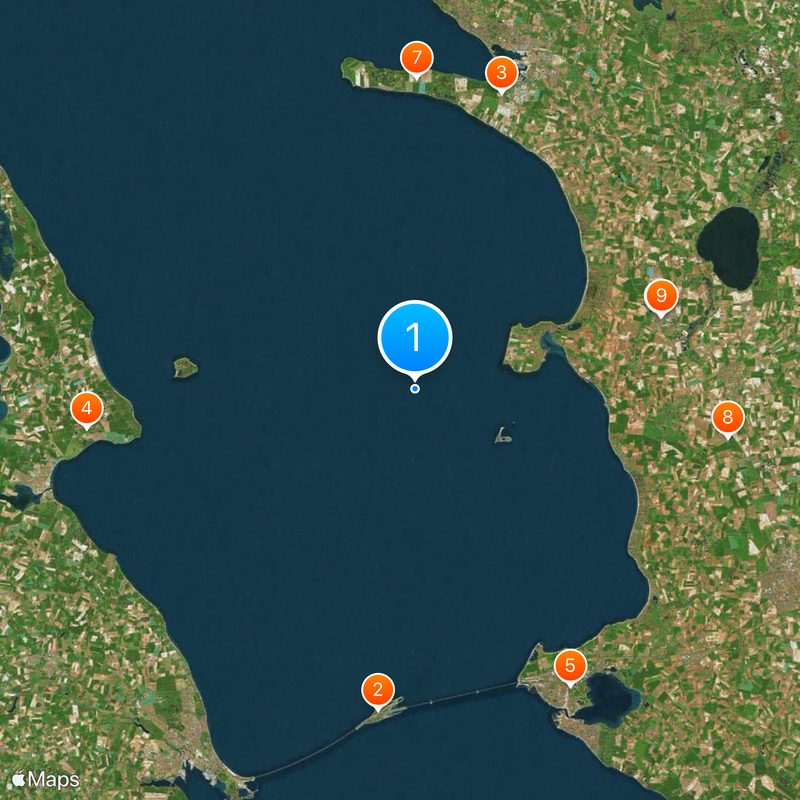
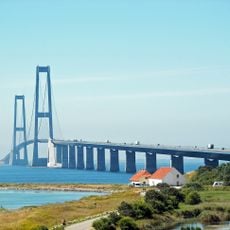
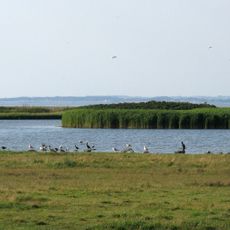
Visitors can view these waterways from various coastal locations, especially at the bridge sites where the transition between the seas becomes visible. The best time to observe is in clear weather, when you can watch the large ships passing through daily.
Only five waterways worldwide carry the designation 'belt' in their name, and all are found here. This geographical feature emerged from medieval classification systems that sorted straits according to their width.
The community of curious travelers
AroundUs brings together thousands of curated places, local tips, and hidden gems, enriched daily by 60,000 contributors worldwide.