Laghouat, Oasis city in north-central Algeria
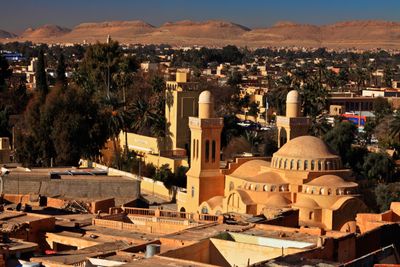
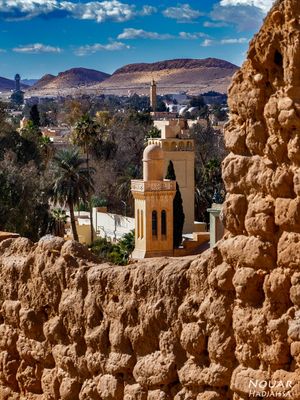
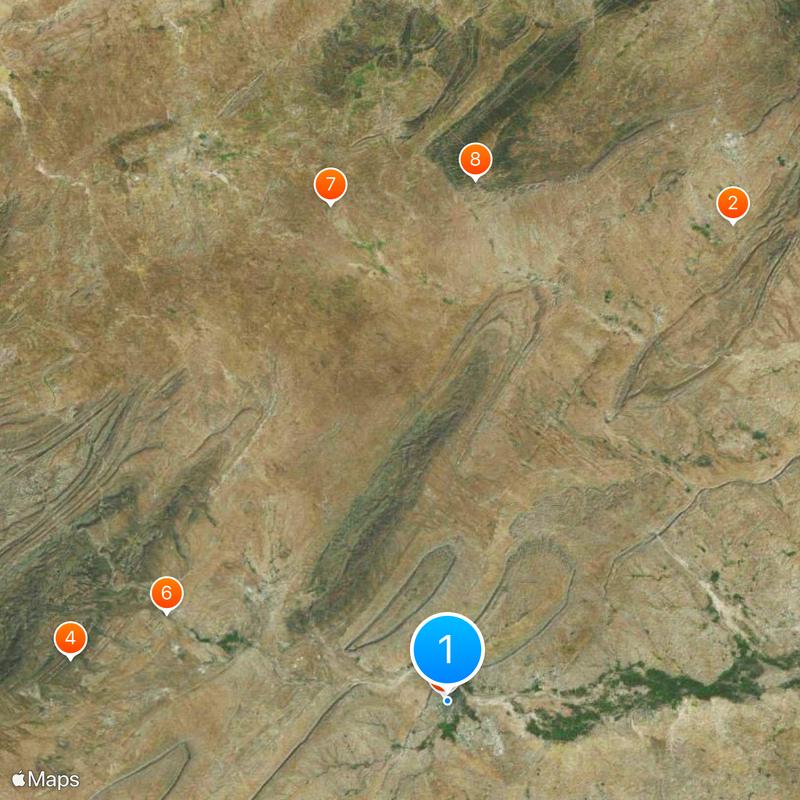
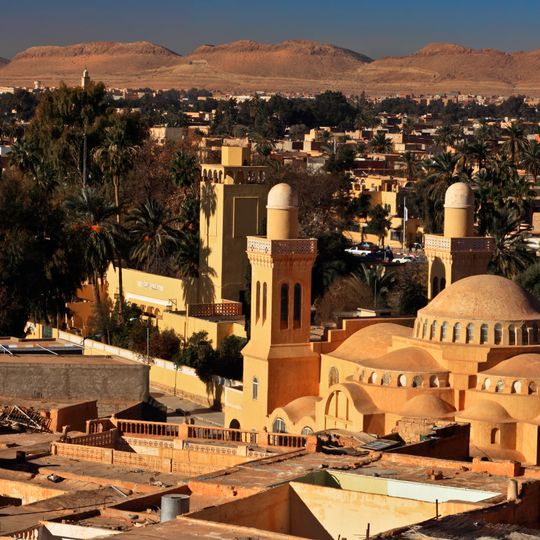
Laghouat is an oasis city in north-central Algeria situated at the border between the Sahara Desert and the Saharan Atlas Mountains. The settlement spreads across two hills near Mount Tizigarine and relies on irrigation systems fed by three dams along the Wadi Mzi river.
The settlement was founded in the 11th century by Banū Hilāl tribes who established an early community in the oasis. Control of the region shifted between Moroccan, Turkish, and French rulers until Algeria gained independence in 1962.
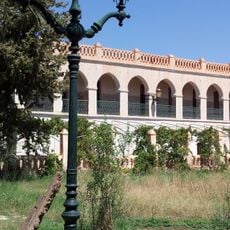
Traditional Saharan architecture shapes the northern hilltop, where the cathedral of the bishop of the Sahara stands among narrow streets and local artisans practice their craft of weaving wall hangings and wool carpets passed down through generations.
Visit during cooler months since summer heat is intense and basic services can be limited in this smaller settlement. Arriving early in the day allows time to explore both hillsides before peak heat and observe local artisans working in their studios.
Beneath the Hassi R'Mel region lie Africa's second-largest natural gas reserves, which drive much of Algeria's energy production and economic activity. Visitors pass over these hidden underground riches without seeing them, yet they represent the true source of the area's importance.
The community of curious travelers
AroundUs brings together thousands of curated places, local tips, and hidden gems, enriched daily by 92,042 contributors worldwide.