Rõngu Castle, Medieval vassal castle ruins in Elva Rural Municipality, Estonia.
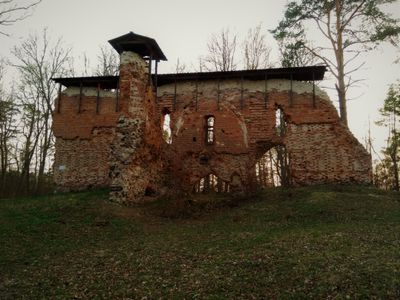
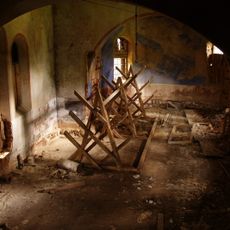
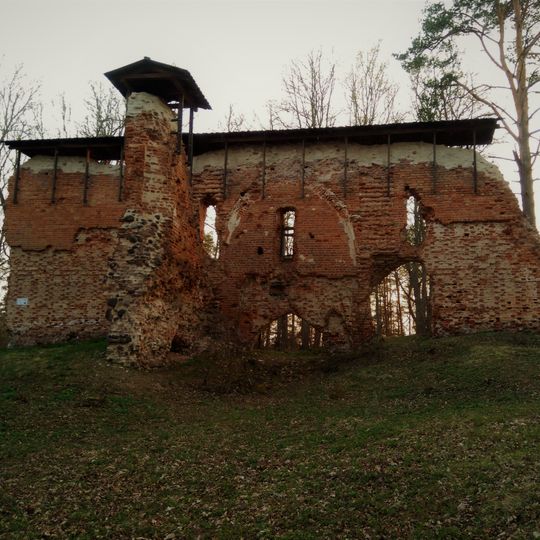
Röngu Castle consists of stone ruins featuring a rectangular courtyard surrounded by connected structures and a fortified gatehouse that incorporates chapel spaces. The remains display the typical arrangement of residential buildings, outbuildings, and reinforced entrance from its original construction period.
The castle was built in the early 14th century at the southwestern border of the Bishopric of Dorpat to control territorial boundaries. Russian troops later damaged it during the Livonian War, after which Jesuits maintained the structure until its demolition in the 17th century.
The castle shows typical medieval defensive design of this region, with a chapel built into the upper floor of the gatehouse. This combination of fortification and spiritual space was common for castles marking the edges of a bishop's lands.
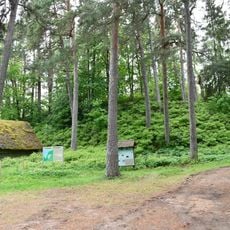
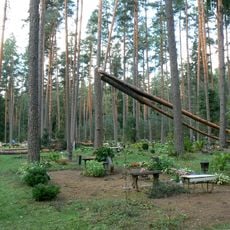
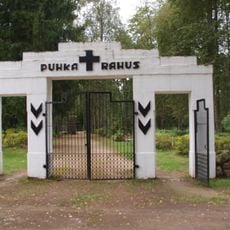
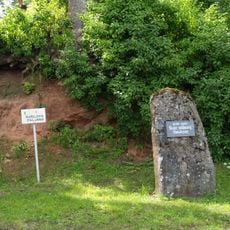
Visitors can explore the castle ruins and surrounding park grounds, where several memorials honor the Estonian War of Independence. Access is straightforward, and the site offers open areas to walk through while viewing the preserved remains.
The castle was unusual for its time in combining defensive fortification with integrated spiritual space directly within its gatehouse design. This feature reflects both the religious importance and strategic role of border castles in medieval Baltic territories.
The community of curious travelers
AroundUs brings together thousands of curated places, local tips, and hidden gems, enriched daily by 90,912 contributors worldwide.