Doñana National and Natural Park, National park in Andalusia, Spain
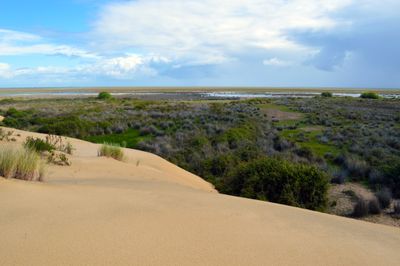
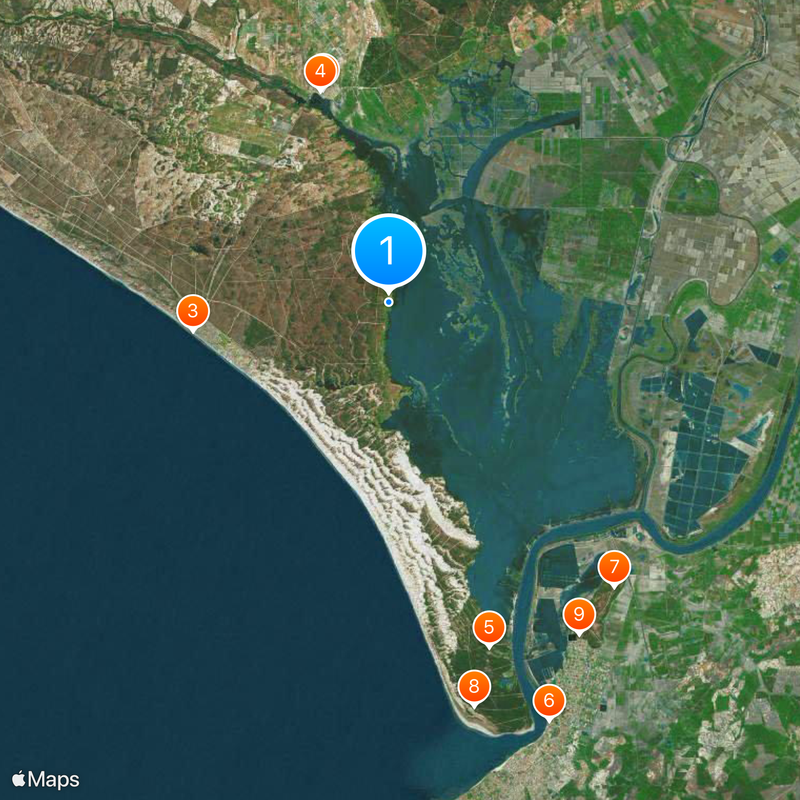
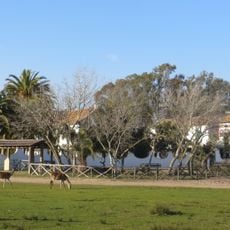
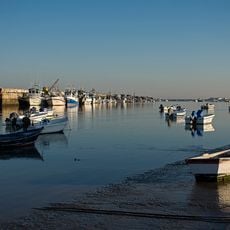
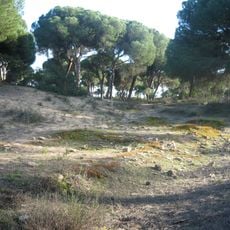
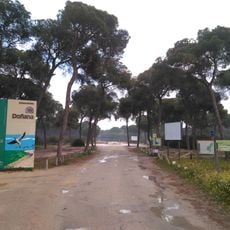
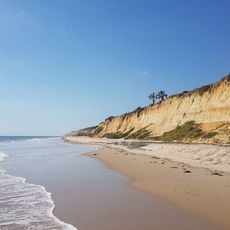
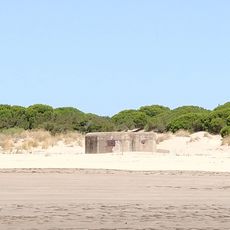
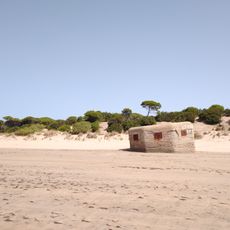
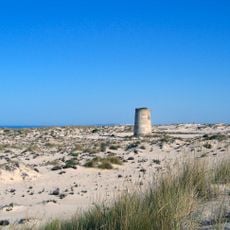
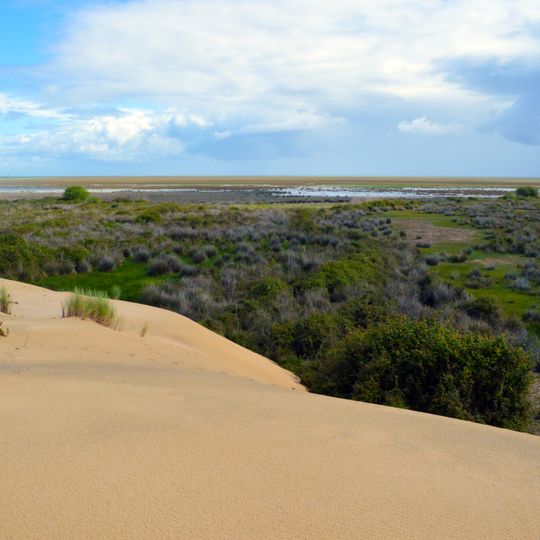
Doñana is a national park in Andalusia spanning the provinces of Huelva, Seville, and Cádiz in southern Spain. The landscape covers wetlands, moving dunes, and pine forests that stretch across several coastal areas.
The national park received its official status on October 16, 1969, to protect ecosystems and endangered animal species. Conservation measures expanded in the following decades and the area gained international recognition as a biosphere reserve and World Heritage site.
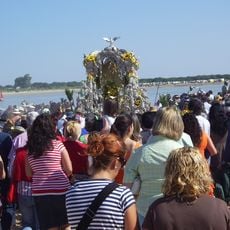
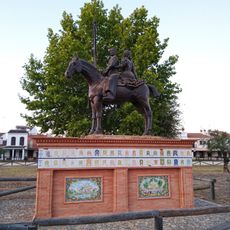
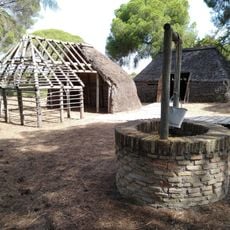
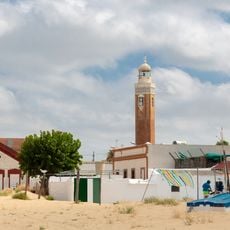
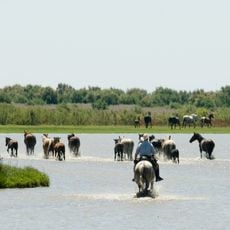
The annual Saca de Yeguas gathers wild horses in villages at the edge of the park, a practice that ranchers have maintained for more than five centuries. You can still see today how ranching and rural life shape the relationship between people and the wetlands.
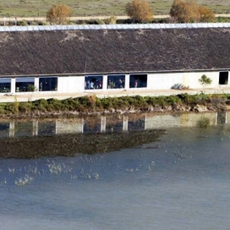
The visitor centers El Acebuche and José Antonio Valverde provide walking trails, cycling routes, and organized tours through different parts of the park. Some paths are also suitable for families with children while others pass through dunes and marshlands that require more time.
More than 230 bird species live or rest here during their migration between Europe and Africa. The area also serves as a critical breeding ground for the Iberian lynx and Spanish imperial eagle, both among the rarest predators in Europe.
The community of curious travelers
AroundUs brings together thousands of curated places, local tips, and hidden gems, enriched daily by 60,000 contributors worldwide.