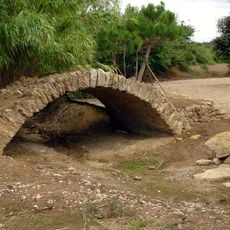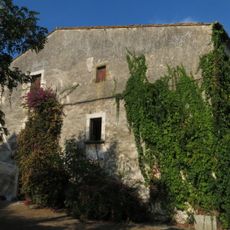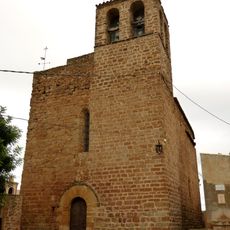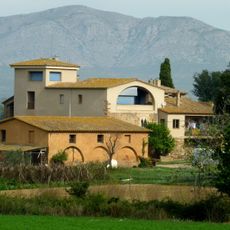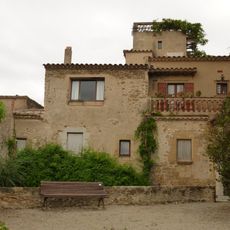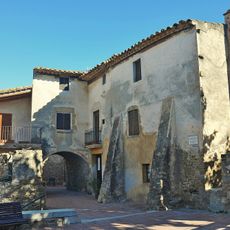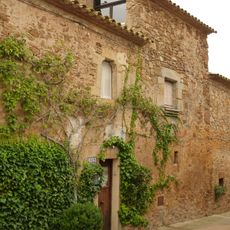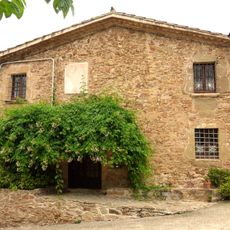
Iberian town of Ullastret, Archaeological site and Cultural Asset in Ullastret, Spain.
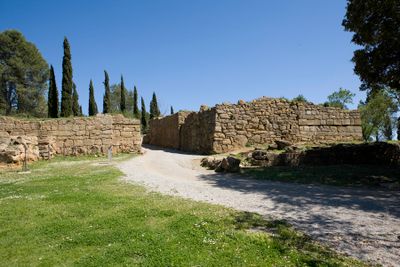
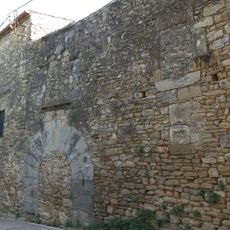
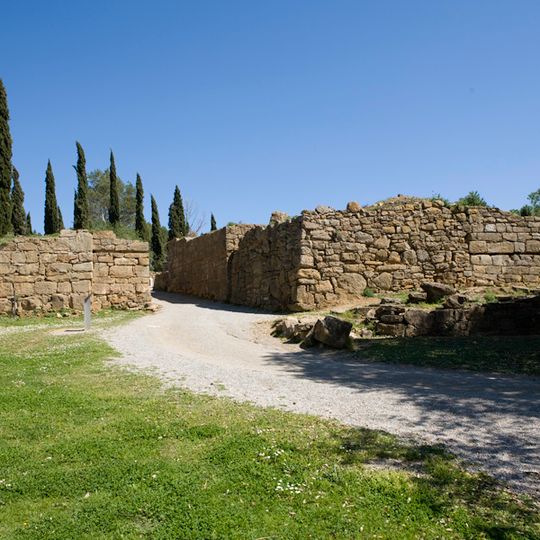
The Iberian town of Ullastret spreads across Puig de Sant Andreu hill with rectangular houses surrounded by defensive walls reinforced with six circular towers. The layout reveals how an ancient fortified settlement was organized and built.
The settlement emerged during the Iron Age and flourished between the 4th and 3rd centuries BC as a center of the Indigetes tribe. Following this peak period, the site gradually declined and was eventually abandoned.
The Iberian people inhabited this hillside over many centuries, leaving traces of daily life through pottery, tools, and house remains that reveal how they organized their community. Visitors can walk through the settlement and see how these people worked and lived together.
The attached museum displays objects and information about Iberian culture while offering activities for different age groups throughout the year. The hillside site is easy to explore on foot with clear pathways through the ruins.
Excavations in 2012 uncovered evidence of a ritual practice involving human heads, a custom that ancient writers documented as part of Celtic-influenced beliefs. This finding illustrates how warfare and spiritual practice were deeply connected in this society.
The community of curious travelers
AroundUs brings together thousands of curated places, local tips, and hidden gems, enriched daily by 92,529 contributors worldwide.