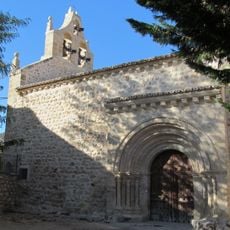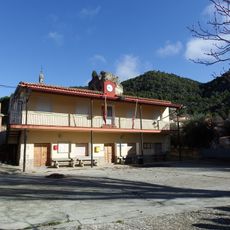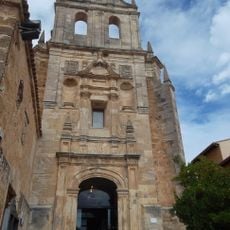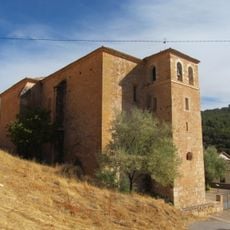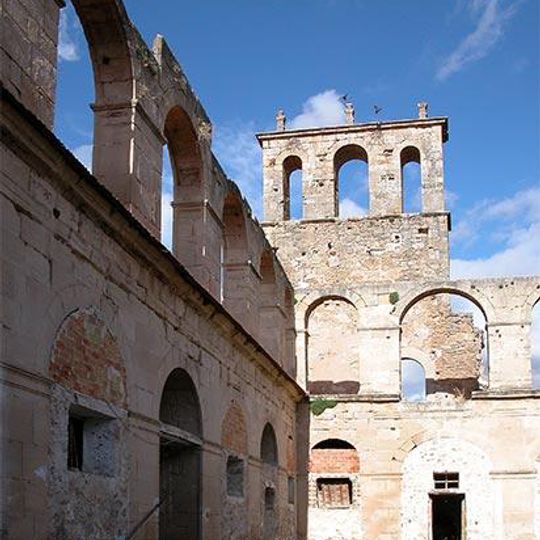
Santa Maria de Ovila, Ruined Cistercian monastery in Trillo, Spain
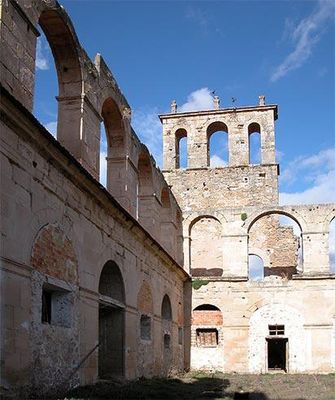
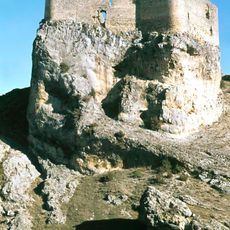
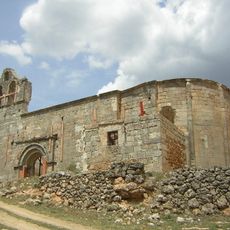
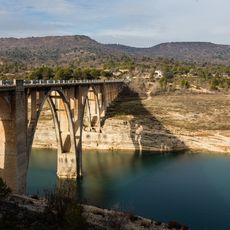
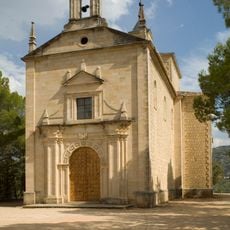
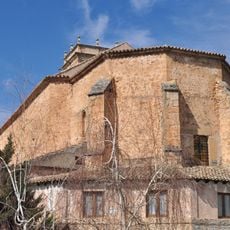
Santa Maria de Ovila is a ruined Cistercian monastery of Gothic style located near Trillo in Guadalajara province. The remains include crumbling stone walls, vaulted sections, and foundation stones scattered across the site, situated close to the Tagus River.
The monastery was founded in 1175 when King Alfonso VIII of Castile donated the land to establish it. It prospered throughout the Middle Ages but began to decline in the 15th century due to civil conflicts affecting the region.
The monastery served as a spiritual center where local people gathered for worship and community gatherings. Its presence shaped the religious life of the region for centuries.
Wear sturdy footwear as the ground is uneven and can become muddy, particularly after rain or near the river. Early morning visits offer better light for viewing the ruins and help you avoid afternoon heat.
In 1931, sections of the monastery were dismantled and shipped to California, where they were rebuilt as part of New Clairvaux monastery. This makes it one of the few European monasteries to have portions physically relocated and reconstructed on another continent.
The community of curious travelers
AroundUs brings together thousands of curated places, local tips, and hidden gems, enriched daily by 60,000 contributors worldwide.