Estremera, municipality of Spain
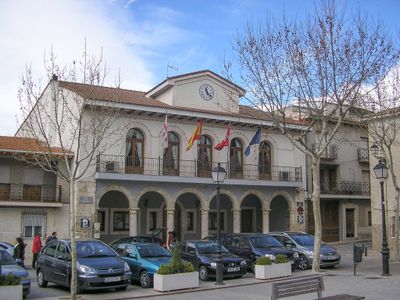
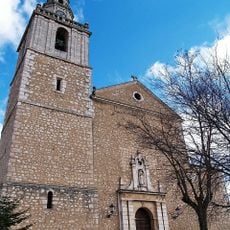
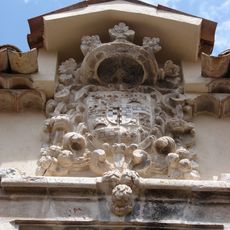
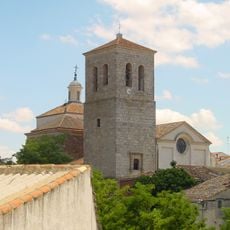
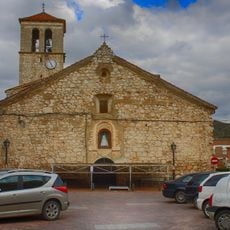
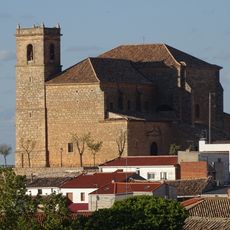
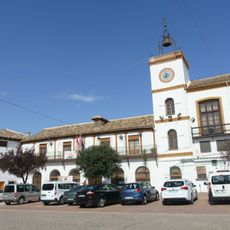
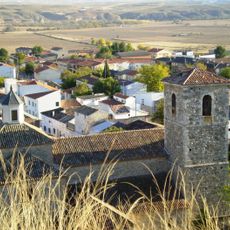
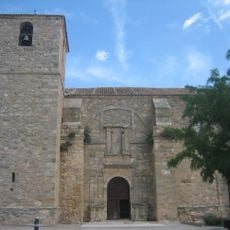
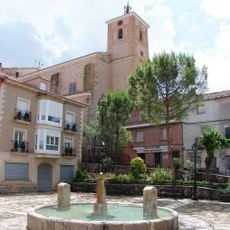
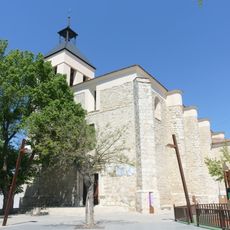
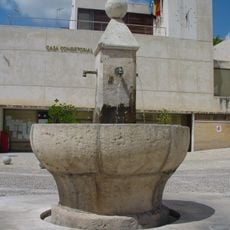
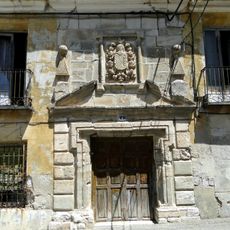
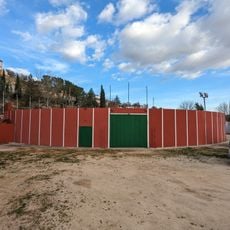
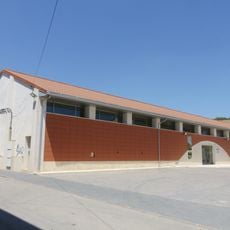
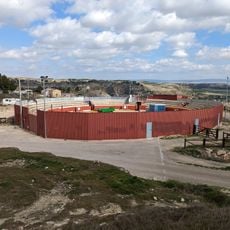
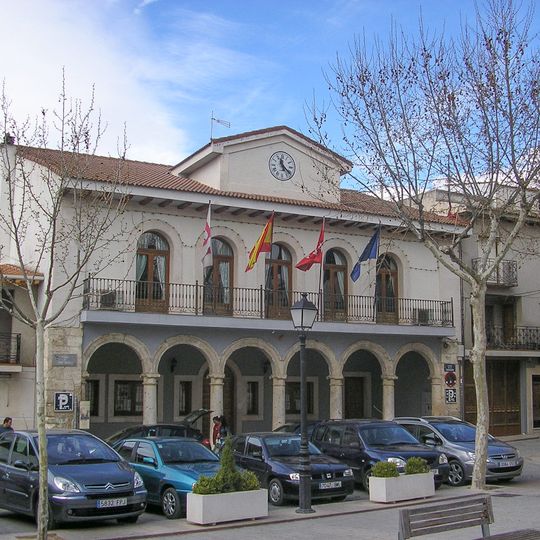
Estremera is a small municipality in the Community of Madrid situated on a hill about 640 meters above sea level with simple stone and brick buildings arranged along steep streets. The parish church Nuestra Señora de los Remedios with three naves and arched ceiling is complemented by the town hall with six stone arches and several small chapels surrounding the main square.
Estremera has roots reaching back to prehistory with findings from the Bronze Age and later Roman and Visigothic settlements in the Tajo valley. In the 11th century, King Alfonso VII conquered the nearby fortress of Oreja and promoted resettlement through privileges, leading to the town's foundation, which later came under the control of the Order of Santiago.
The residents of Estremera, called Estremereño, maintain rural traditions and local celebrations, particularly festivities honoring the Virgin of the Remedios with processions and community gatherings in the town square. These religious celebrations show how the community keeps its customs alive and how the church remains the center of social life.
Estremera is connected by bus lines to Madrid and neighboring villages, with the journey to the capital covering about 75 kilometers (47 miles) and regular daytime connections available. The small town is easily explored on foot with simple streets leading to historic sites and chapels, while the surrounding countryside invites walks and quiet outings.
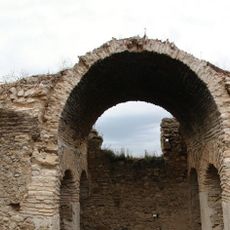
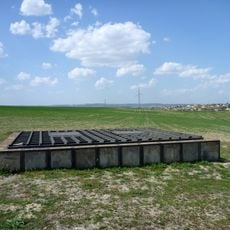
During the 1930s Spanish Civil War, tunnels and trenches were built in the area, including the so-called Tunnels of the Forty-Day Train, constructed in just months to connect Madrid with other regions. These military remains are partly still visible and serve as reminders of a dramatic period in the country's history.
The community of curious travelers
AroundUs brings together thousands of curated places, local tips, and hidden gems, enriched daily by 92,591 contributors worldwide.