Sant Jaume de Vallhonesta, Architectural ensemble in Sant Vicenç de Castellet, Spain
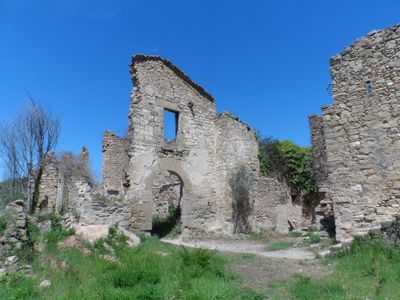
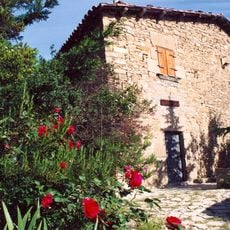
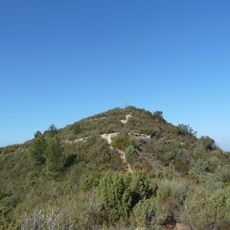
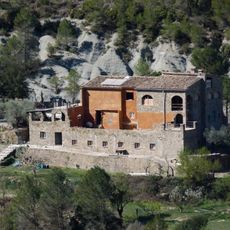
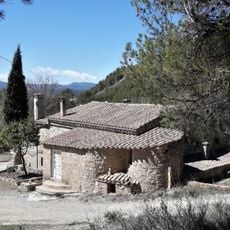
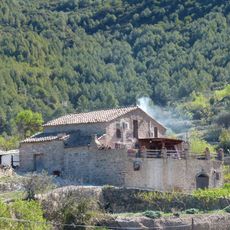
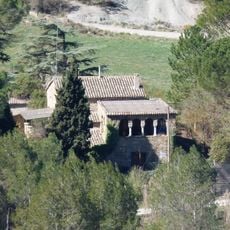
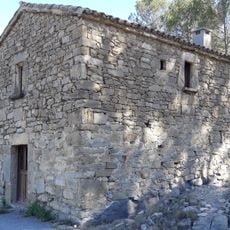
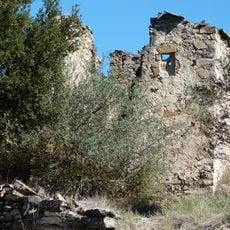
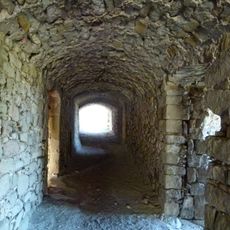
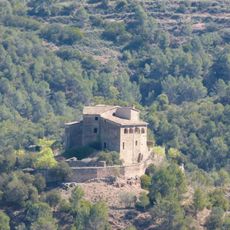
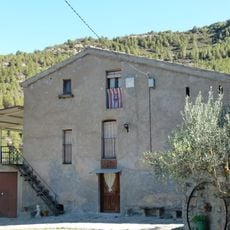
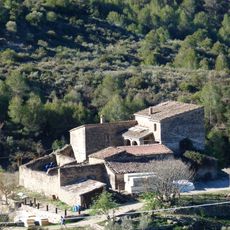
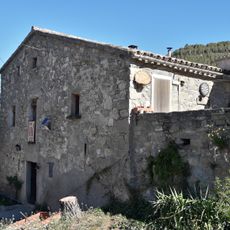
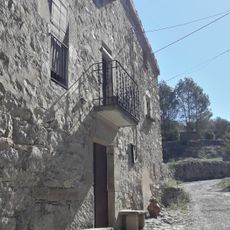
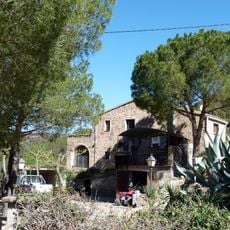
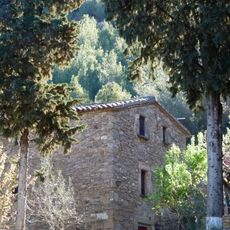
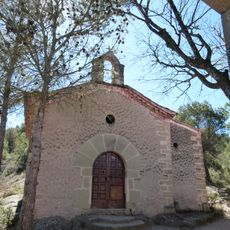
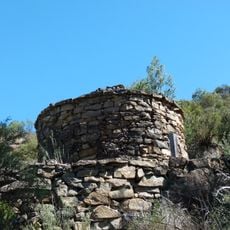
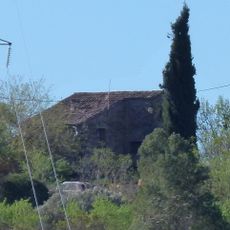
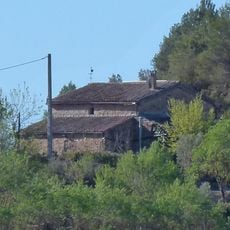
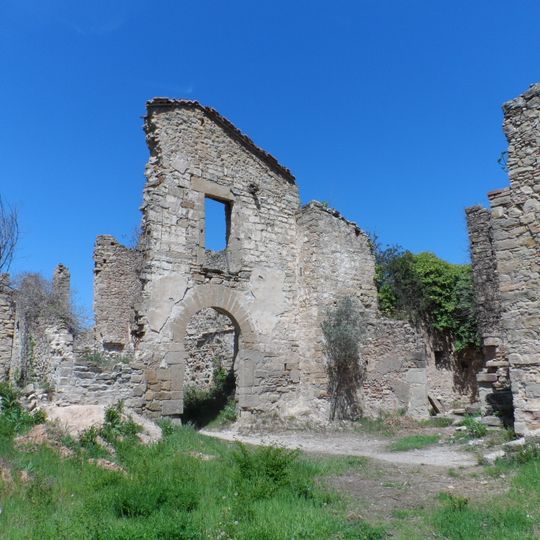
Sant Jaume de Vallhonesta is an architectural ensemble at roughly 490 meters elevation within Sant Lloren del Munt i l'Obac Natural Park, composed of vernacular structures from different periods. The site includes residences, a church, stables with vaulted ground floors, cisterns, wine vats, and an oil mill integrated into a single layout.
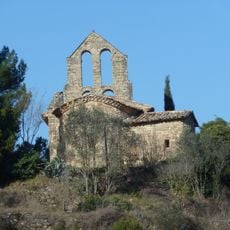
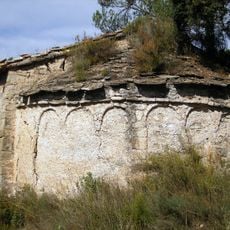
The church received its first documented mention in the late 13th century, while the hostel evolved into one of three major stopping points along the royal road connecting Barcelona and Manresa. This strategic position made it an important supply point for travelers and merchants across many generations.
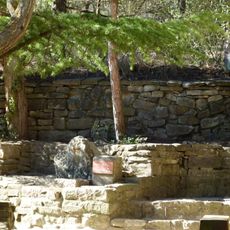
The name references Saint Jaume and the surrounding valleys that shaped this settlement's character across generations. Visitors today encounter physical traces of communal life, from shared storage areas to collective work spaces, revealing how people organized their daily existence here.
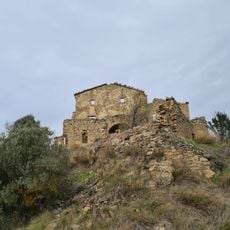
The site sits within a natural park, so sturdy comfortable footwear is important for exploring the abandoned structures and surrounding paths. Visitors should allow time to slowly discover the various buildings and their details, as there is no marked route through the ensemble.
During the Peninsular War from 1808-1812, the ensemble functioned as a military barracks and played a key role in defending the royal road. This brief military period left visible marks on the buildings that visitors can still notice when examining the structures closely.
The community of curious travelers
AroundUs brings together thousands of curated places, local tips, and hidden gems, enriched daily by 91,998 contributors worldwide.