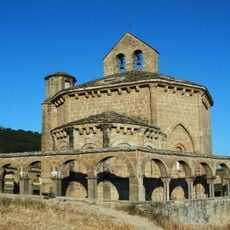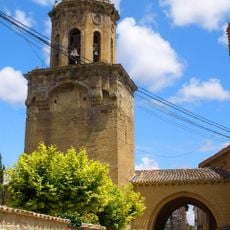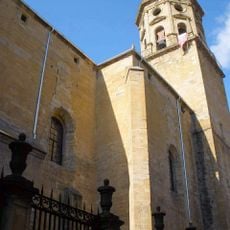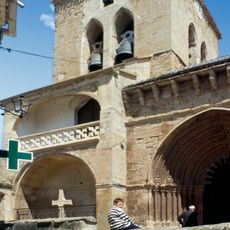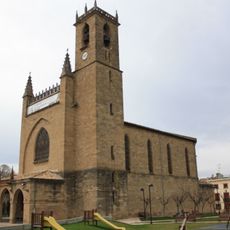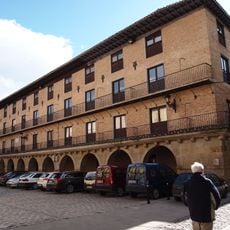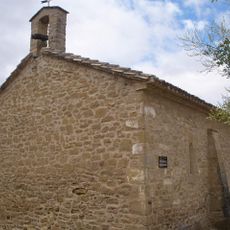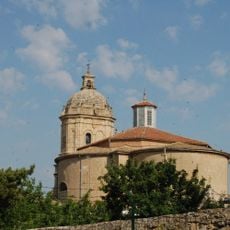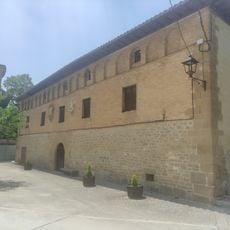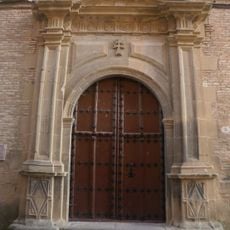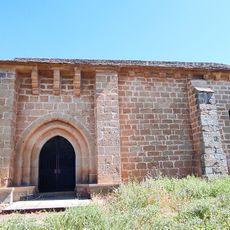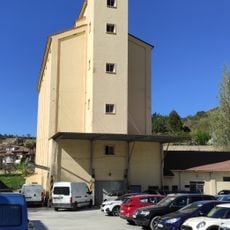
Puente la Reina, cultural property in Puente la Reina, Spain
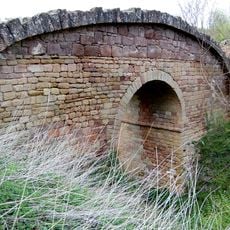
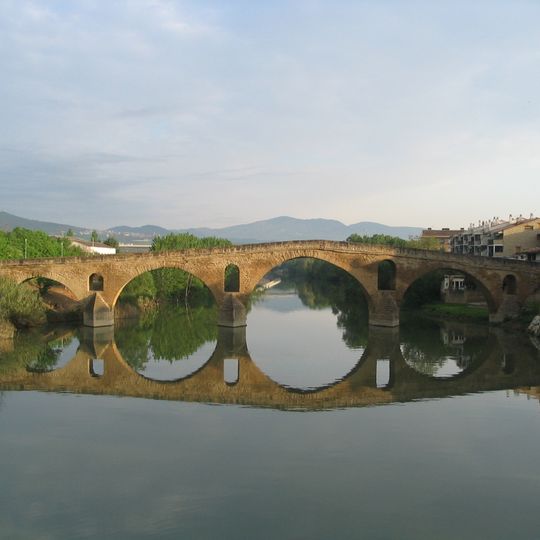
Puente la Reina is an 11th-century bridge spanning the Arga River with seven stone arches stretching about 110 meters across. The structure features Romanesque design with small drainage openings and thick stone pillars that have supported foot traffic for nearly 900 years since its construction.
The bridge was built in the 11th century, possibly commissioned by a queen, to help pilgrims traveling toward Santiago de Compostela. Three defensive towers that once stood at each end and in the middle were demolished during the 1800s, yet the stone structure itself survived and was officially protected as a historic monument in 1931.
The bridge holds deep meaning for pilgrims on the Way of St. James, a route that passes directly through the village. Local traditions and celebrations reflect this connection, with the community keeping stories and legends alive through their daily rhythm and seasonal gatherings.
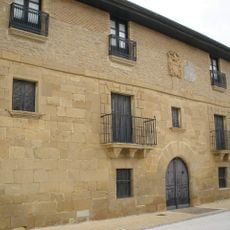
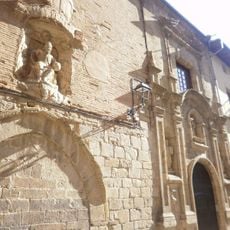
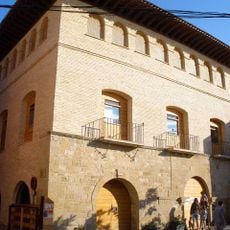
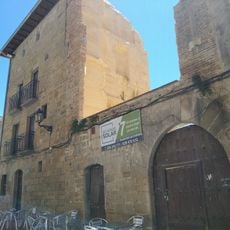
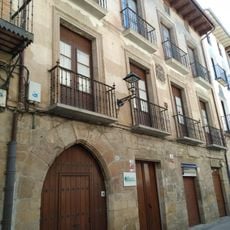
The site is easily explored on foot and best visited during daylight hours when the stone buildings glow in natural light. Parking and tourist information services are available, and spring or fall offers the most comfortable walking conditions without extreme weather.
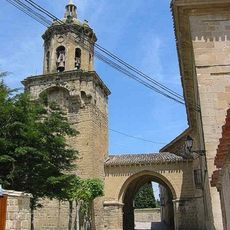
A beloved local legend tells of a small bird called Txori that cared for a statue of the Virgin Mary once placed on the central tower. When the bird appeared, townspeople believed it brought good fortune and would ring the church bells to celebrate its visits.
The community of curious travelers
AroundUs brings together thousands of curated places, local tips, and hidden gems, enriched daily by 60,000 contributors worldwide.