Cluny Abbey, Religious community in Burgundy, France
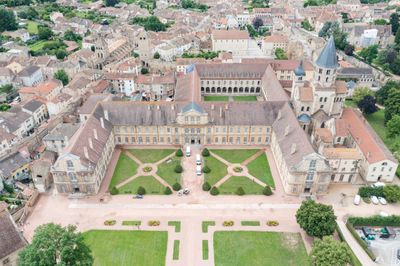
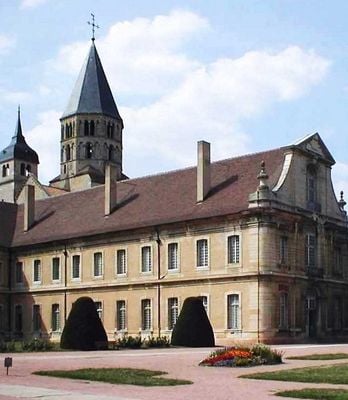
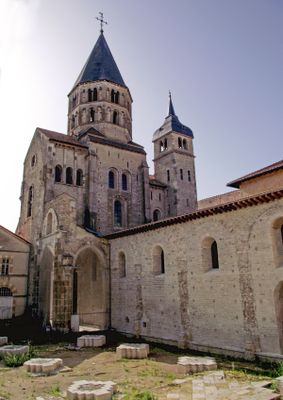
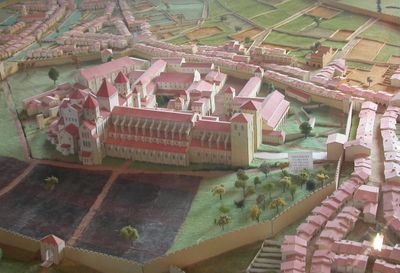
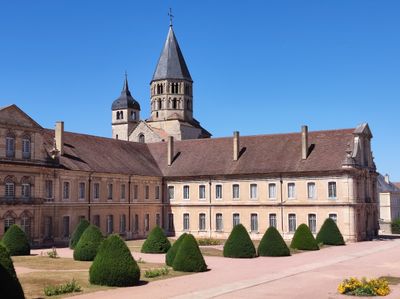
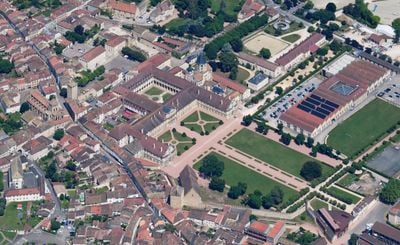
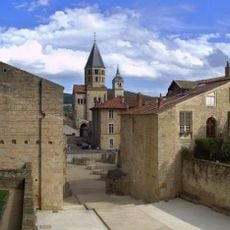
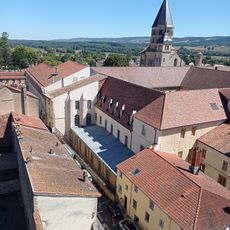
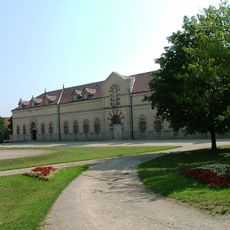
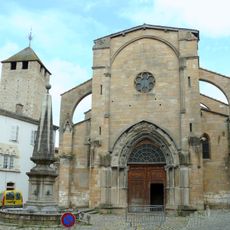
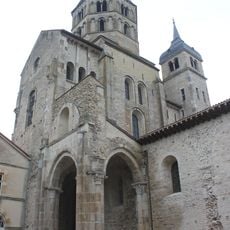
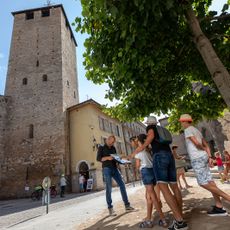
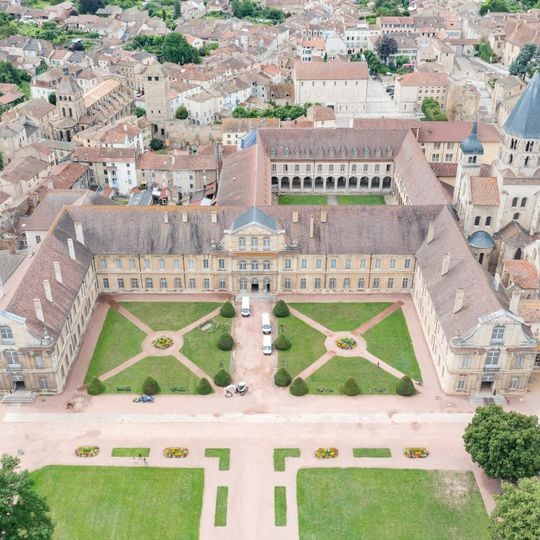
Cluny Abbey is a former Benedictine monastery in Cluny, Burgundy. An octagonal bell tower from the 12th century rises above the remaining foundations, while column fragments and arches hint at the scale of the vanished church.
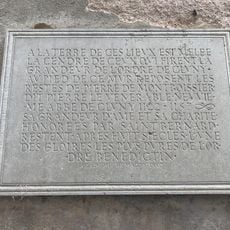
William of Aquitaine founded the monastery in 910 as a free community under papal protection. The third abbey church began construction in 1088 under Abbot Hugh of Semur, but after the Revolution the buildings were almost entirely dismantled from 1798 onward.
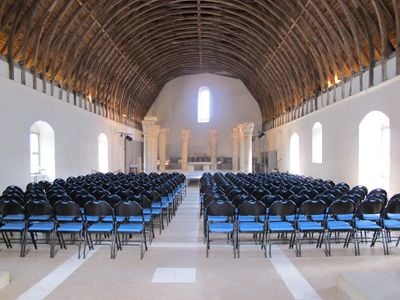
The Latin name Cluniacensis comes from the Burgundian hills that shape the valley. The few remaining columns and capitals display carved figures and plant motifs that reflect the rhythm of monastic daily life.
The grounds lie in the center of Cluny, where signs explain the excavated areas and reconstructions. The climb to the tower requires good fitness, as the spiral staircase is narrow and steep.
At its height, more than 400 monks lived within the complex, which had its own workshops and an extensive herb garden. Archaeologists found evidence of underground channels that brought water from distant springs to the service buildings.
Location: Cluny
Inception: September 2, 0909
Architectural style: Romanesque architecture
Address: rue du 11-Août
Website: http://cluny-abbaye.fr/en
GPS coordinates: 46.43484,4.65947
Latest update: December 4, 2025 23:02
Saône-et-Loire holds stories from all parts of French history. You can find caves where prehistoric people lived, like the Azé cave with its stalactites or the rocks of Solutré that overlook the vineyards. The area also has Celtic remains at Bibracte, a fortified city on the heights of Mount Beuvray. The Romanesque monasteries show the time when Cluny was the spiritual heart of medieval Europe, and its basilica served as a model for the one in Paray-le-Monial. Medieval castles like Brancion or Berzé-le-Châtel still stand on their hills, with towers and walls keeping watch over the valleys. The villages still have their solid stone Romanesque churches, castles, and squares where life goes on quietly. In Tournus, you can visit the Saint-Philibert Abbey from the tenth century and find paintings by an eighteenth-century painter at the Greuze museum. Some places are surprising, like the Blanot caves that go deep under the ground. This mix of sights lets you walk through many centuries of history while exploring the Burgundy countryside.
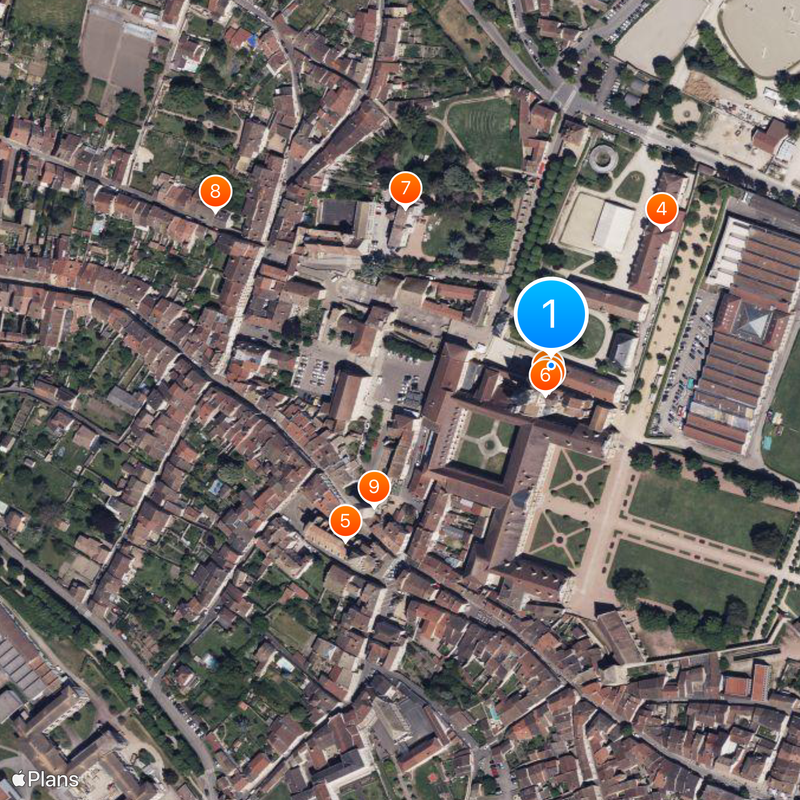
Abbaye de Cluny
18 m
Cluny III
14 m
Haras de Cluny
122 m
Église Notre-Dame de Cluny
188 m
Hôtel-Dieu de Cluny
473 m
Église abbatiale de Cluny
21 m
Musée d'art et d'archéologie
150 m
Hôtel des Monnaies de Cluny
258 m
Tour des Fromages
158 m
Fontaine des Serpents
226 m
Fontaine de la rue d'Avril
236 m
Immeuble, 9 rue Saint-Mayeul
291 m
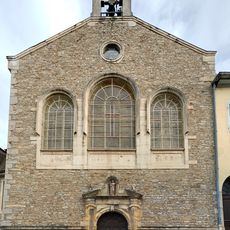
Chapelle des Récollets de Cluny
293 m
Chapelle Jean de Bourbon of Abbaye de Cluny
15 m
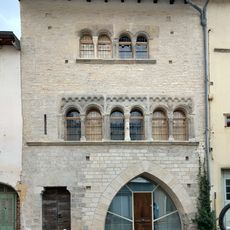
Maison romane, 25 rue de la République
238 m
Maison, 9 rue du Merle
285 m
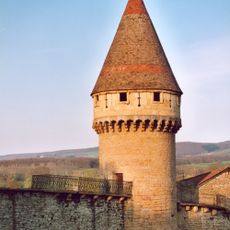
Fabry tower
192 m
Maison romane, 15 rue Lamartine
188 m
Immeuble, 38 rue de la Chanoise
258 m
Immeuble, 23 rue de la République (Cluny)
236 m
Maison romane, 15 rue d'Avril (Cluny)
303 m
Maison Descours
292 m
Maison romane, rue Joséphine-Desbois
250 m
Immeuble, 5 rue du Fresne (Cluny)
269 m
Immeuble, 11 rue du Merle
290 m
Immeuble, 24 rue d'Avril
364 m
Maison des Échevins
280 m
Maison, 3 rue de la Barre, 13 place Notre-Dame
218 mVisited this place? Tap the stars to rate it and share your experience / photos with the community! Try now! You can cancel it anytime.
Discover hidden gems everywhere you go!
From secret cafés to breathtaking viewpoints, skip the crowded tourist spots and find places that match your style. Our app makes it easy with voice search, smart filtering, route optimization, and insider tips from travelers worldwide. Download now for the complete mobile experience.
A unique approach to discovering new places❞
— Le Figaro
All the places worth exploring❞
— France Info
A tailor-made excursion in just a few clicks❞
— 20 Minutes