Musée Archéologique Départemental du Val-d'Oise, museum in France
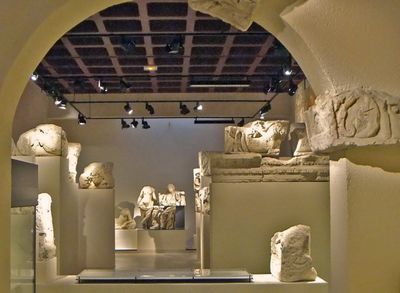
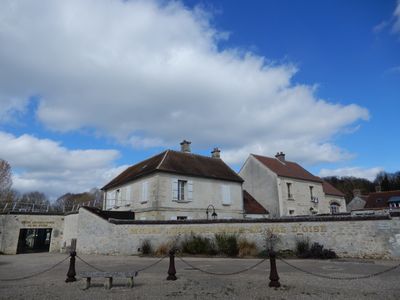
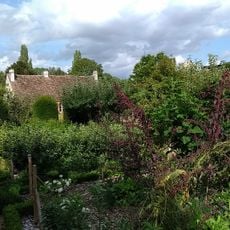
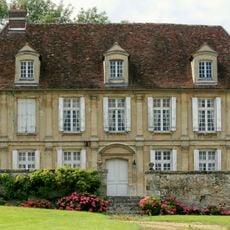
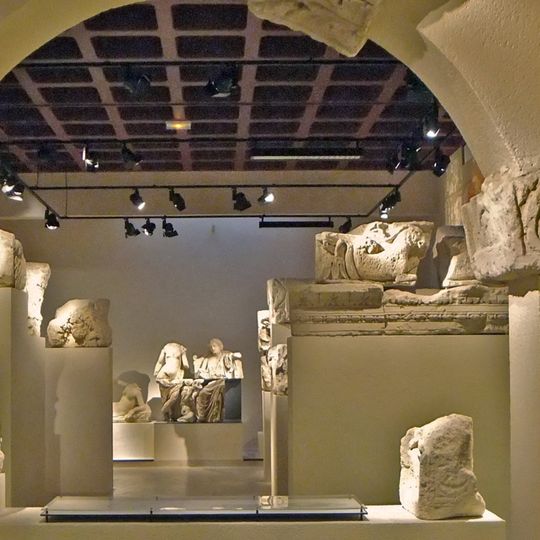
The Musée Archéologique Départemental du Val-d'Oise is a modern archaeological museum in Guiry-en-Vexin that fits smoothly into the Vexin region's landscape. Its collection displays roughly 2,600 objects from a total of 50,000 artifacts, spanning from the Cretaceous period over 90 million years ago to around 1940.
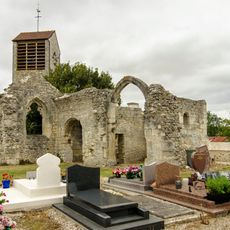
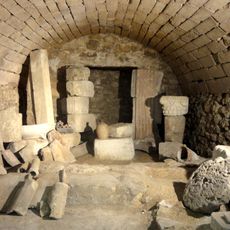
The museum documents this landscape's development from the Cretaceous seabed through Neanderthal settlements around 110,000 years ago to Roman settlement starting in the first century BC. Displays show how each era brought new tools, ways of living, and structures, with particular focus on the Middle Ages when castles and villages were built.
The museum shows how people in this region lived and adapted over long periods. You can see how their ways changed from the Stone Age through the Middle Ages, and what traces they left behind.
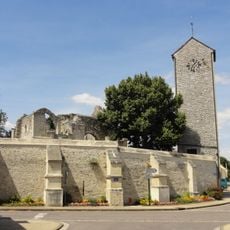
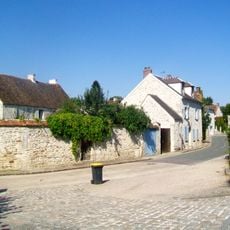
The museum sits in a quiet village at the foot of Morval forest and is easy to navigate with clearly organized glass cases and displays. Visitors can explore at their own pace using self-guided paths or join guided tours available for all age groups.
The collections include fossils of sea creatures showing this region was underwater about 60 million years ago, including shark teeth and shells. These finds remind visitors how dramatically the earth and its landscapes can transform over vast stretches of time.
The community of curious travelers
AroundUs brings together thousands of curated places, local tips, and hidden gems, enriched daily by 91,999 contributors worldwide.