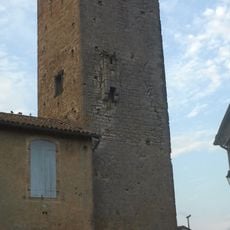
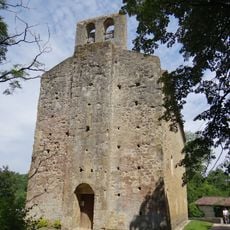
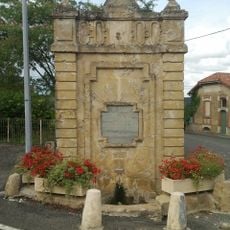
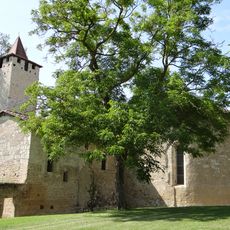
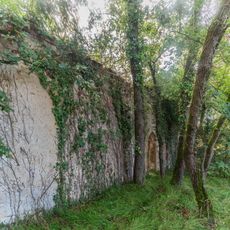
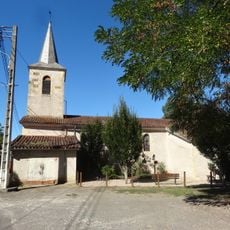
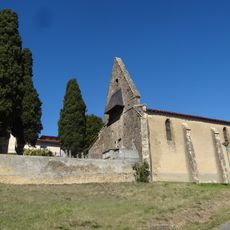
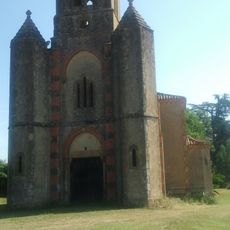
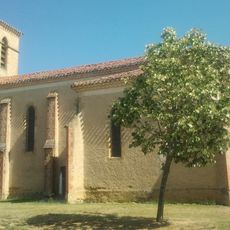
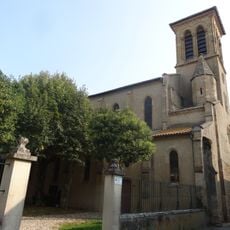
Sansan paleontological site, Paleontological site in Sansan, France.
The Sansan site is located on Campané hill and holds fossils from the Miocene period, roughly 20 to 25 million years old. The layers reveal which animals once lived in the region and how their remains were preserved over time.
A collector named Joseph Débats discovered the first fossils in 1834 after finding an early elephant tooth. The site was later acquired by the Natural History Museum in Paris and explored systematically.
The fossils reveal how animals lived and died in this region millions of years ago. Visitors can picture the ancient landscape and imagine which creatures roamed together.
The site has a marked walking trail about 3 kilometers long with nine stations providing information. Visitors can scan QR codes to access additional details about discoveries at each stop.
Researchers found more than 80 different mammal species here, including a primate jaw that was scientifically described for the first time. This diverse collection makes the location one of the richest fossil sites from this period in Europe.
The community of curious travelers
AroundUs brings together thousands of curated places, local tips, and hidden gems, enriched daily by 90,971 contributors worldwide.