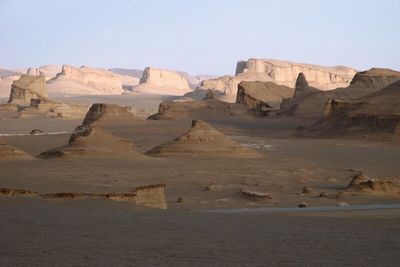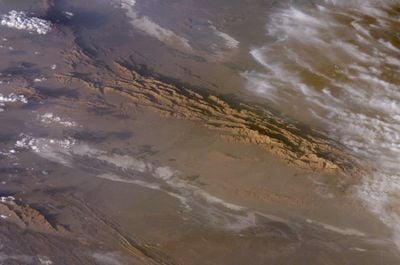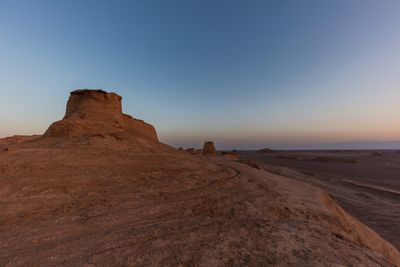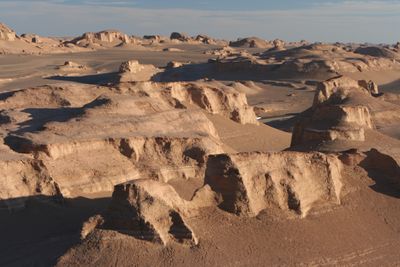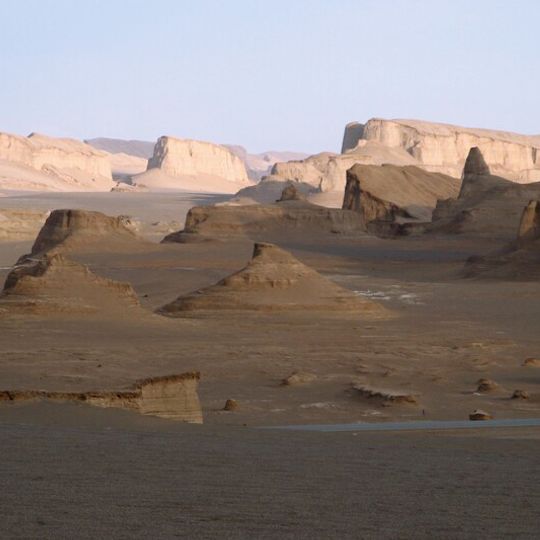
Dasht-e Lut, Salt desert in Kerman Province, Iran
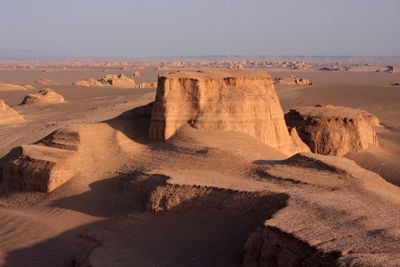
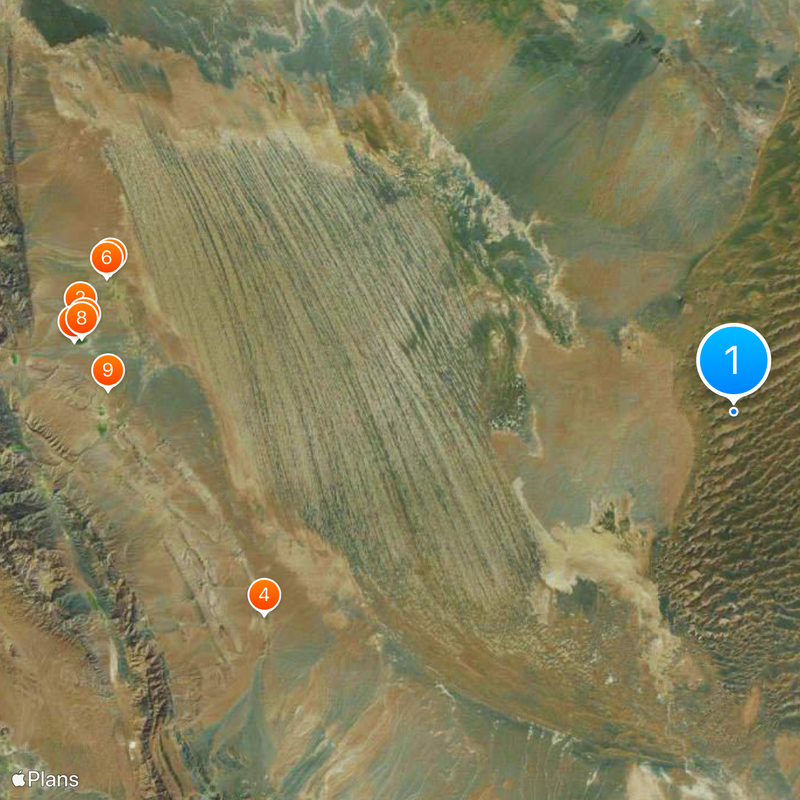
The Dasht-e Lut is a salt desert in three provinces of southeastern Iran, covering 51,800 square kilometers. The landscape consists of sand dunes rising up to 75 meters, wide salt crusts, and dark rock formations made of weathered volcanic stone.
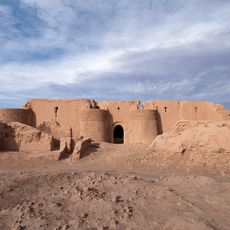
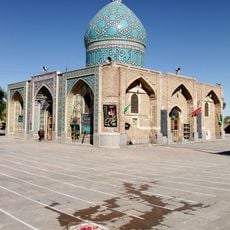
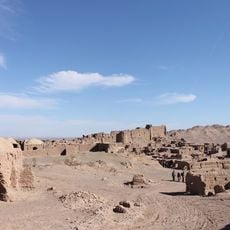
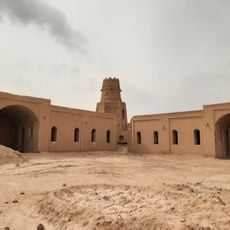
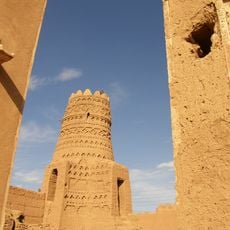
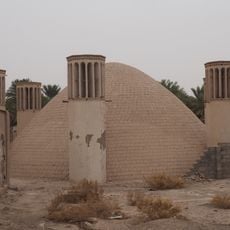
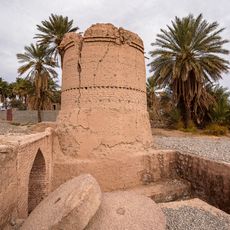
Archaeological finds along the Kerman mountain range show human settlement from 5000 BC to the late Islamic period. A total of 87 historical sites have been documented, including a Bronze Age settlement at the edges of the desert.
The Persian name describes the emptiness of this landscape, which appears in traditional regional stories as a place of trial. Caravans avoided this area for centuries and took long detours to escape the hostile conditions.
Access is through the city of Shahbad, from where local guides organize expeditions with all-terrain vehicles on set routes. The best time to visit is between October and March, when temperatures are tolerable and the desert can be crossed more safely.
The Gandom Beryan plateau in the interior reaches surface temperatures of 70.7 degrees Celsius (159 degrees Fahrenheit) and ranks among the hottest measured places on Earth. The extreme heat results from the dark color of the volcanic rock, which absorbs solar radiation almost completely.
The community of curious travelers
AroundUs brings together thousands of curated places, local tips, and hidden gems, enriched daily by 90,741 contributors worldwide.