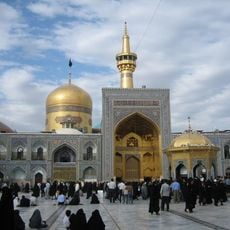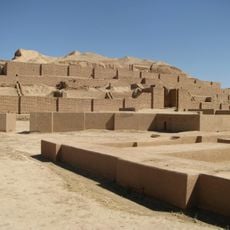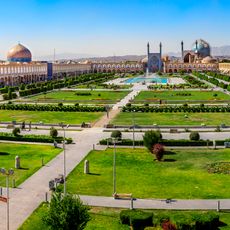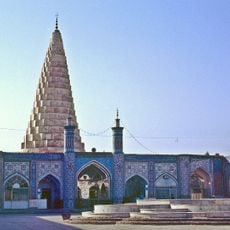
Iran, Sovereign state in Western Asia
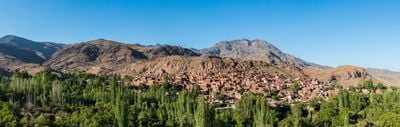
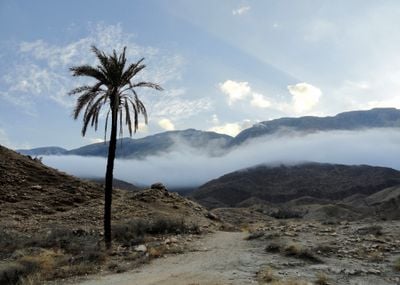
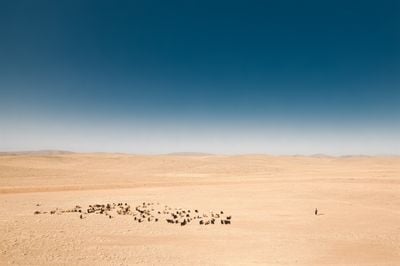
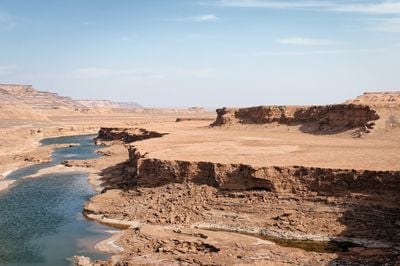
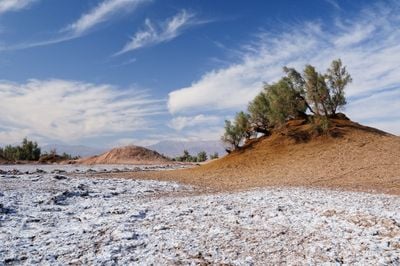
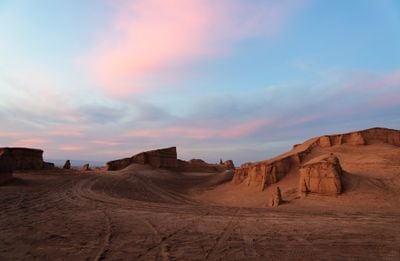
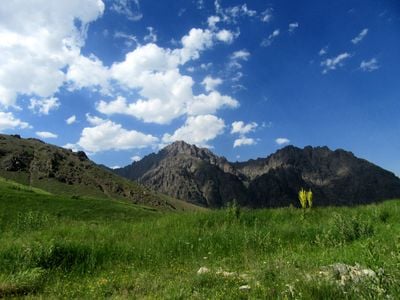
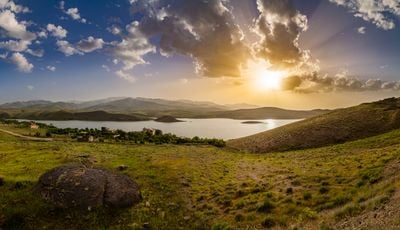
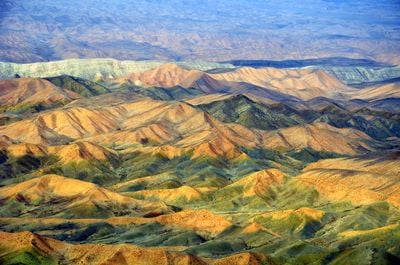
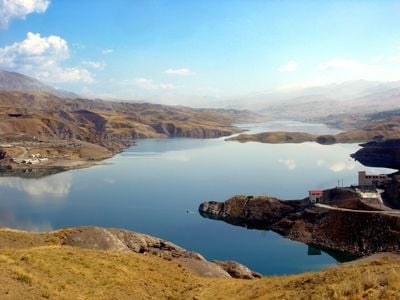
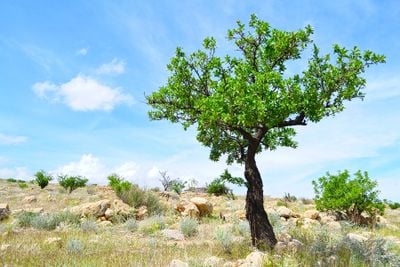
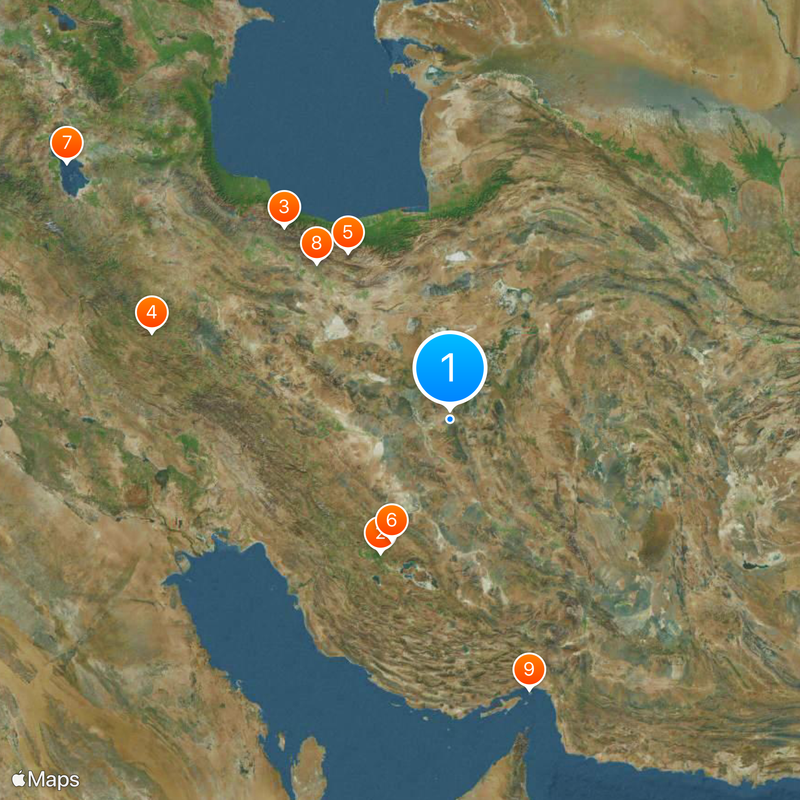
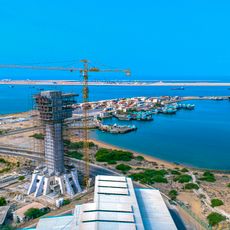
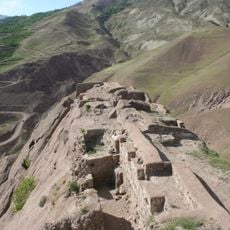
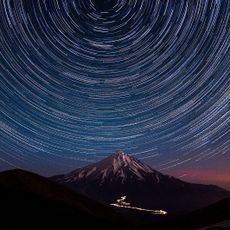
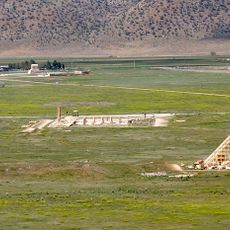
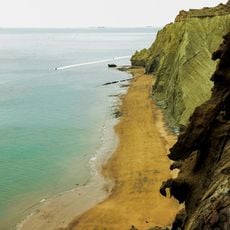
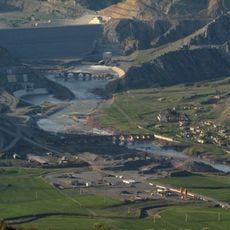
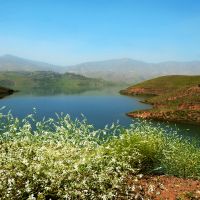
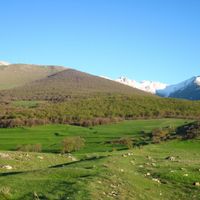
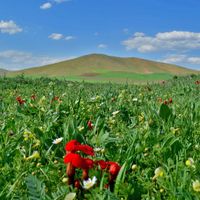
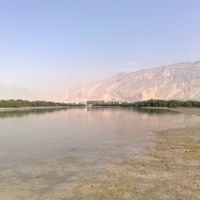
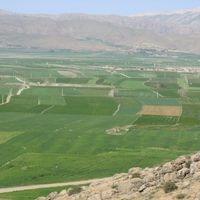
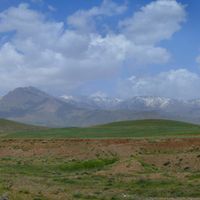
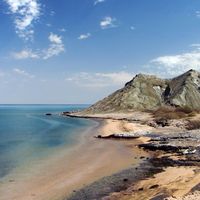
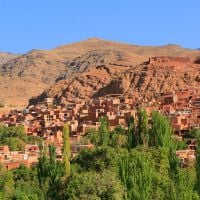
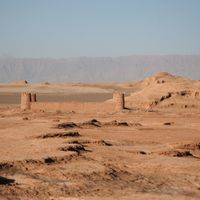
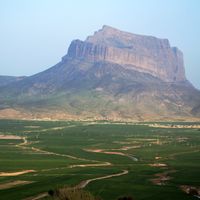
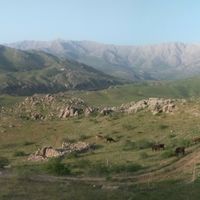
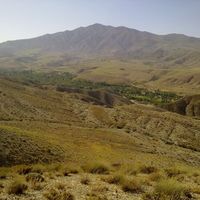
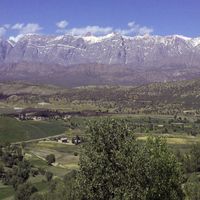
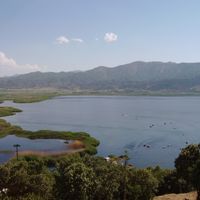
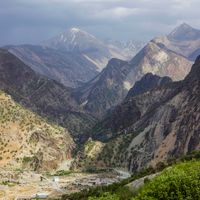
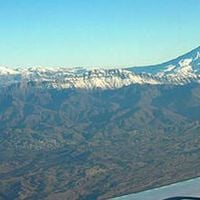
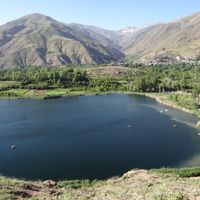
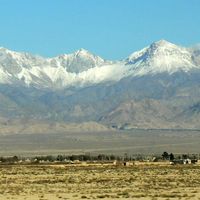
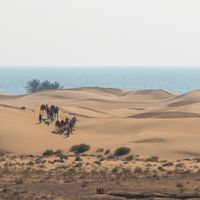
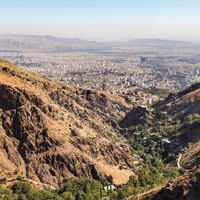
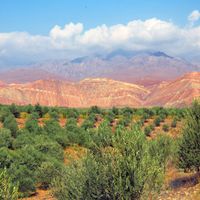
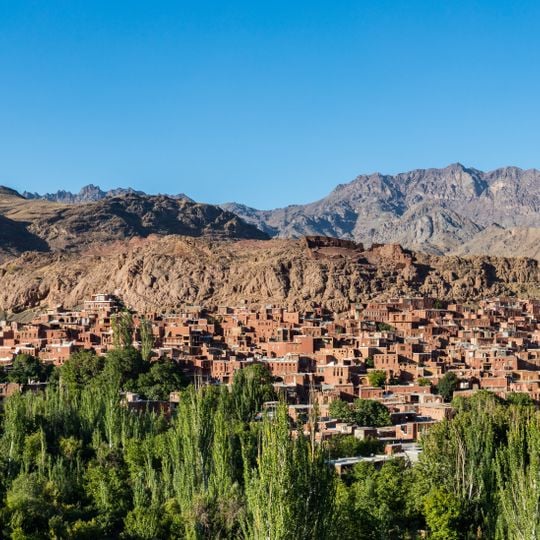
Iran stretches across mountain ranges in the north, dry plains in the center, and coastal areas along the Persian Gulf and the Caspian Sea. This geographic variety shapes the landscape and climate across different regions considerably.
After the revolution in 1979, a new form of government emerged here that combines religious leadership with state structures. This shift fundamentally changed the political order of the region and led to a system under clerical guidance.
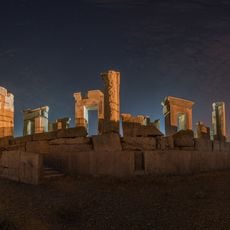
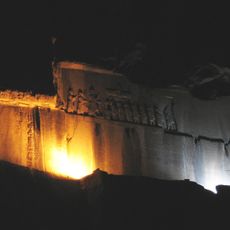
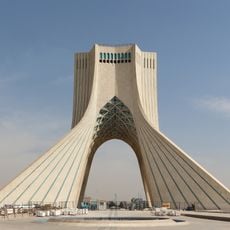
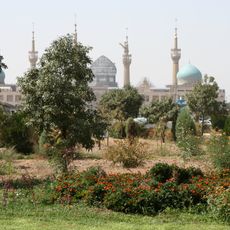
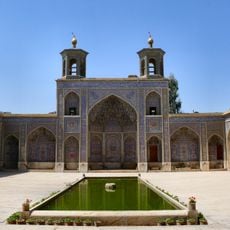
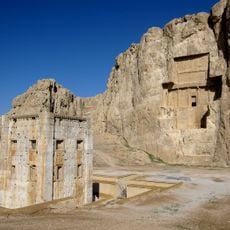
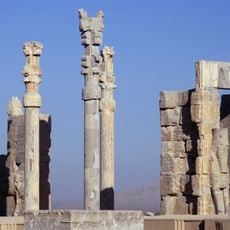
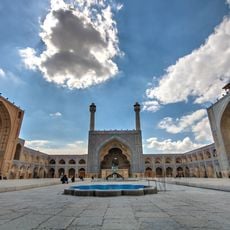
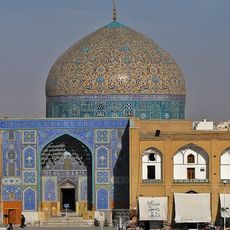
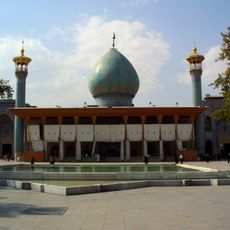
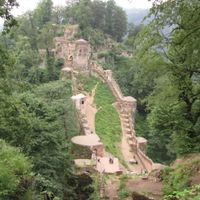
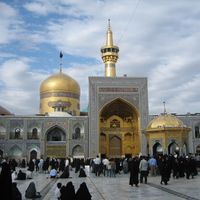
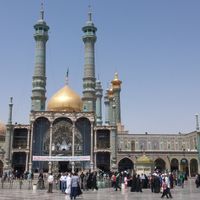
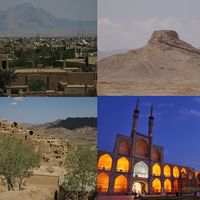
Persian poetry, architecture, carpet weaving, and calligraphy form central elements of Iranian artistic traditions that have shaped numerous civilizations across centuries and influenced the broader cultural heritage of the region through sustained creative output.
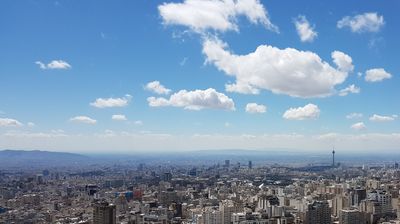
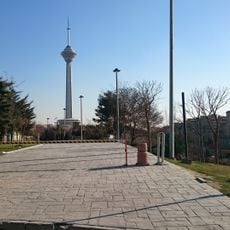
Tehran serves as a hub with international connections through Imam Khomeini Airport, while domestic flights from Mehrabad Airport reach different cities. The nationwide transport network enables travel to various regions by road and rail.
The Persian New Year celebration Nowruz begins precisely at the spring equinox following astronomical calculations that determine the exact moment of solar transition. Families traditionally arrange seven symbolic items on the Haft-Sin table representing renewal and natural cycles.
The community of curious travelers
AroundUs brings together thousands of curated places, local tips, and hidden gems, enriched daily by 90,820 contributors worldwide.