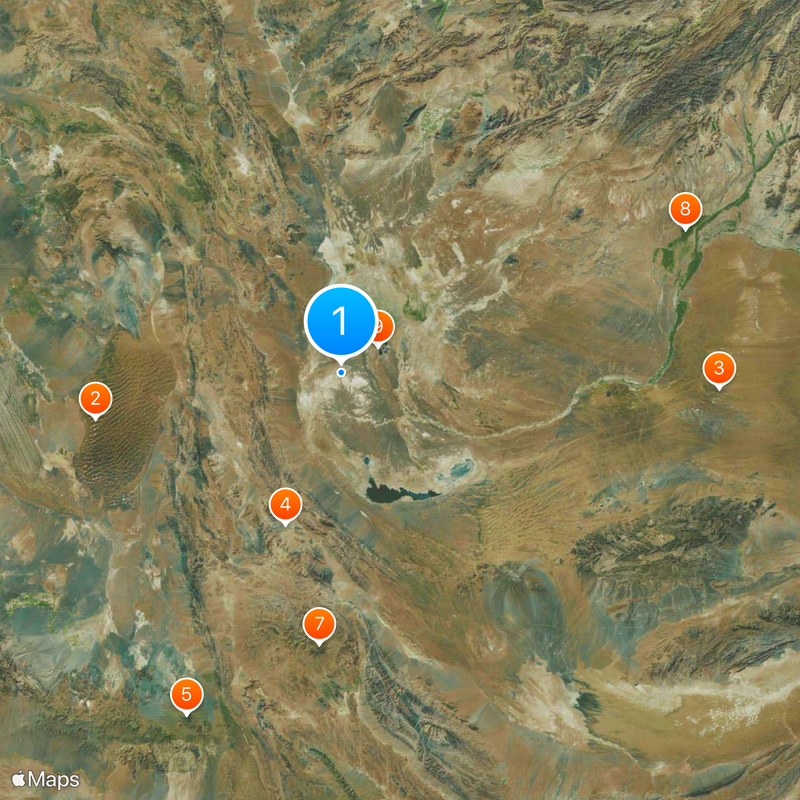
Shahr-e Sukhteh, Archaeological site in Sistan and Baluchestan Province, Iran
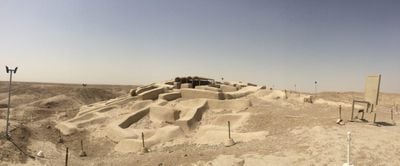
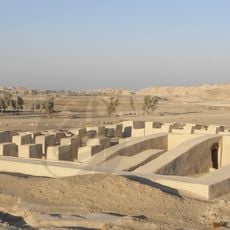
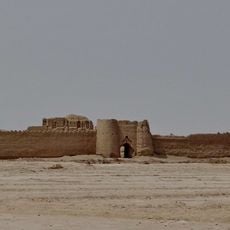
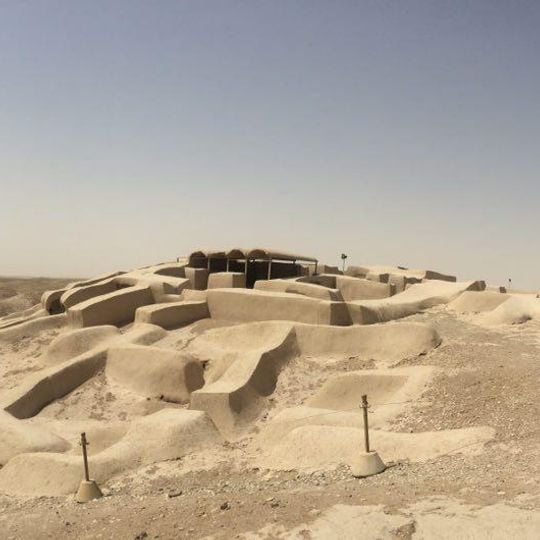
Shahr-e Sukhteh is an archaeological site in Sistan and Baluchestan Province that spreads across a large area with remains of homes, workshops, and burial grounds. Excavations reveal traces of water channels and irrigation works that the ancient residents built to sustain their settlement.
The site emerged as a Bronze Age center around 3200 BC and functioned as an urban hub for several centuries before being abandoned. Archaeological layers reveal different periods of habitation, showing how the settlement evolved and then gradually declined.
The site reveals through pottery and carved seals how residents worked, traded, and organized their communities in ancient times. Scenes of animals and daily tasks show the concerns and skills that mattered most to them.
The site sits in a dry climate zone and is best visited early in the morning or late afternoon when temperatures are more bearable. Sturdy shoes and sun protection are essential since there is little shelter from the heat across the excavation areas.
Among the discoveries is an artificial eye made from lightweight material, showing that ancient craftspeople could fashion prosthetic devices. This object ranks among the oldest known examples of medical technology in archaeology.
The community of curious travelers
AroundUs brings together thousands of curated places, local tips, and hidden gems, enriched daily by 91,232 contributors worldwide.