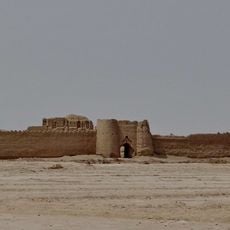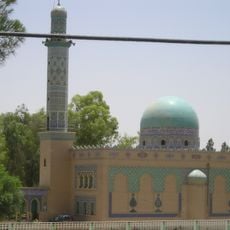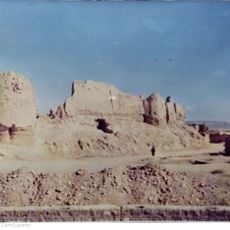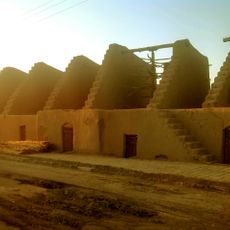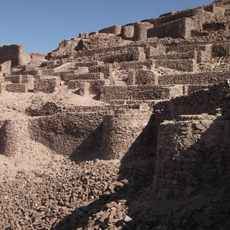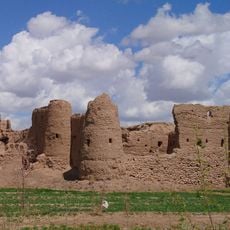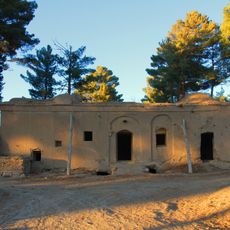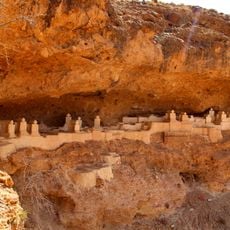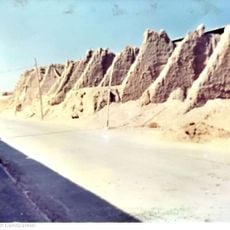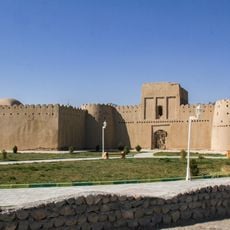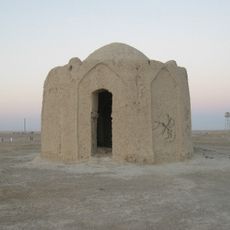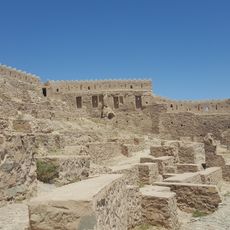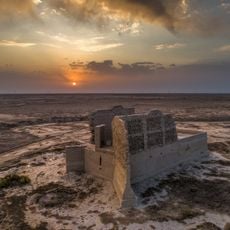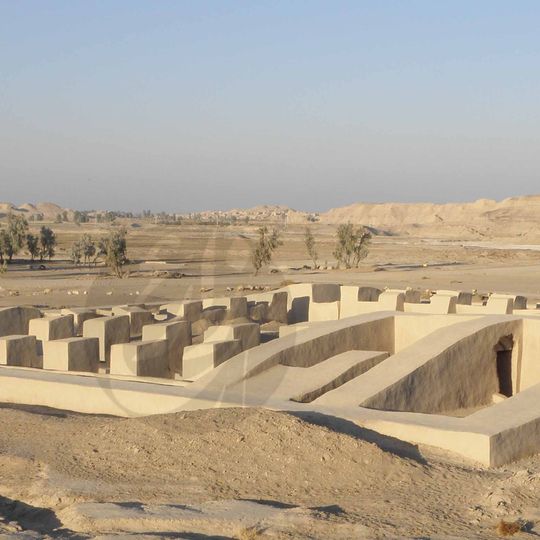
Dahan-e Gholaman, Archaeological excavation site near Zabol, Iran.
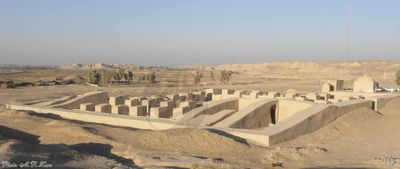
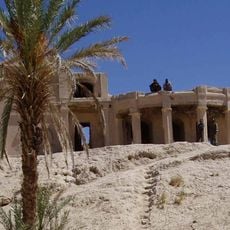
Dahan-e Gholaman is an archaeological site near Zabol containing the remains of an ancient settlement with mud brick buildings and old water channels. The location displays a linear arrangement of structures along its northern edge, revealing how people organized their living spaces and managed water in this region.
An Italian archaeologist discovered this site in 1960 and conducted major excavations from 1962 to 1966. These investigations revealed it to be a significant urban center from the Achaemenid period in ancient Iran.
The excavated structures include a religious building with three altars that likely served the spiritual needs of the settlement's inhabitants. Walking through the site today, visitors can observe how this sacred space was positioned within the broader urban layout.
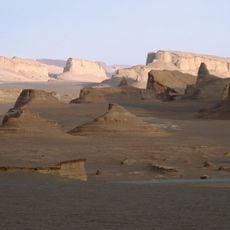
The site sits in a desert landscape and requires transportation from Zabol, making water and sun protection essential items to bring. Visitors should allow time to walk through the scattered structures spread across the area.
Twenty-seven structures align in a perfectly straight line along the northern edge, making this the largest Achaemenid settlement known in eastern Iran. This unusual arrangement suggests the original builders had a deliberate urban plan in mind.
The community of curious travelers
AroundUs brings together thousands of curated places, local tips, and hidden gems, enriched daily by 91,141 contributors worldwide.