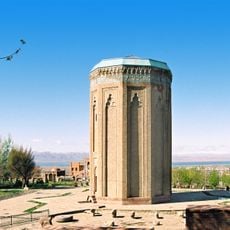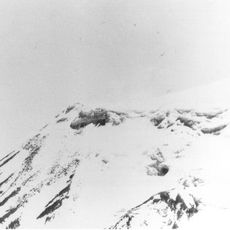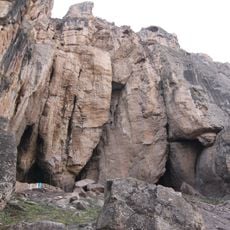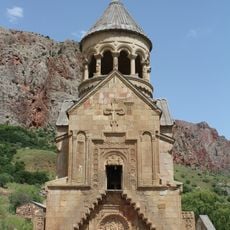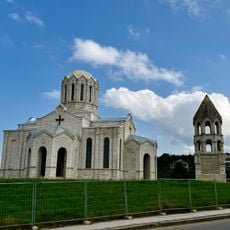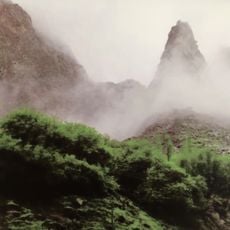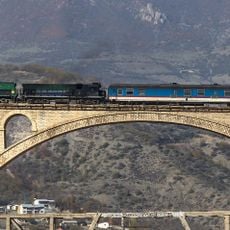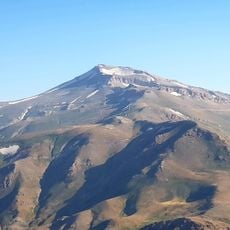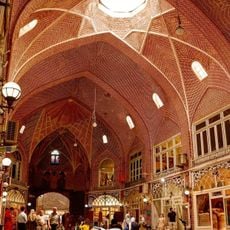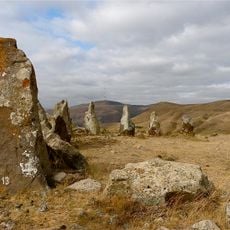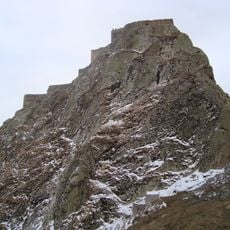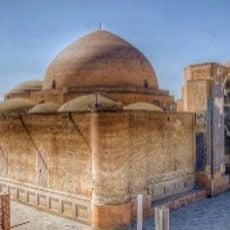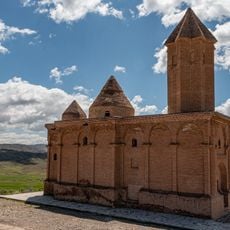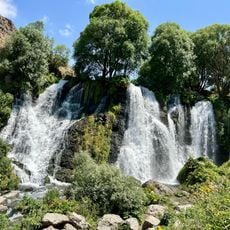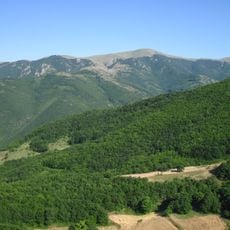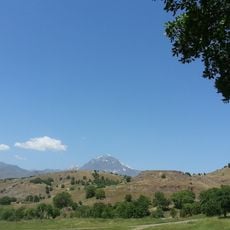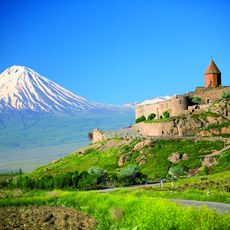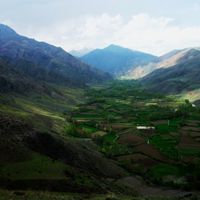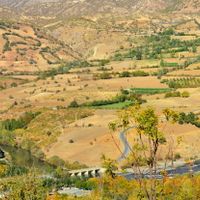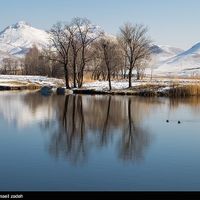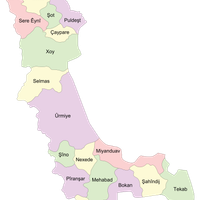
West Azarbaijan Province, Province with diverse landscapes in northwestern Iran.
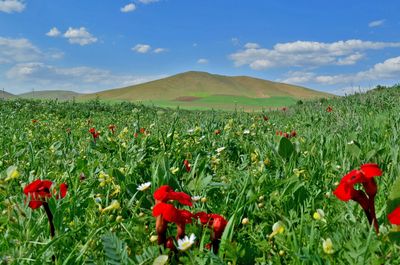
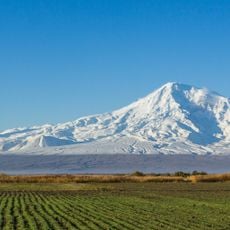
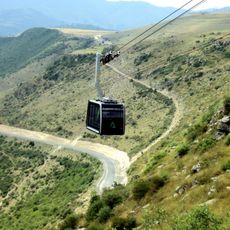
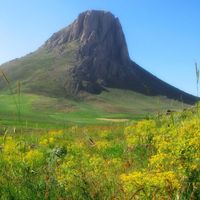
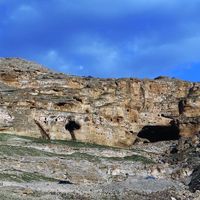
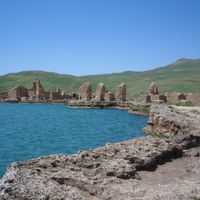
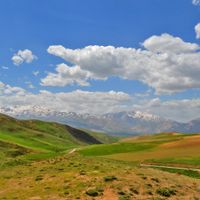
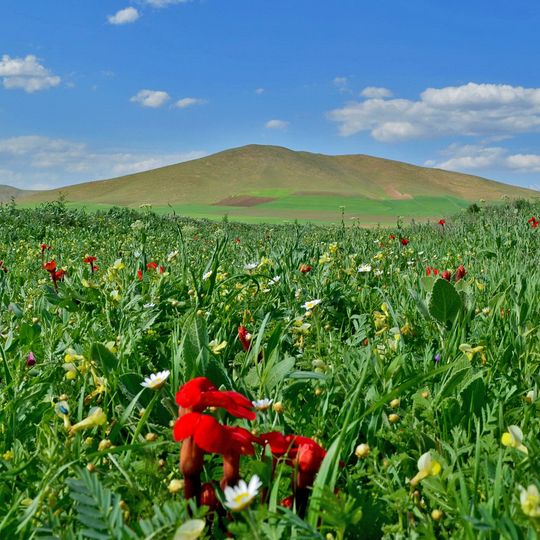
West Azarbaijan is a province in northwestern Iran characterized by mountainous terrain with snow-capped peaks, fertile valleys, and Lake Urmia as a central geographic feature. The diverse landscape shapes the way people live and use the land throughout the region.
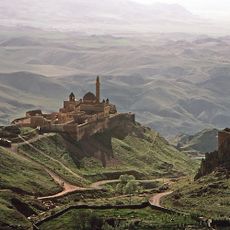
The region was once called Matiene and served as a strategic area between the Urartian and Assyrian empires, with human settlements reaching back to the 6th millennium BC. This ancient history of contact between different powers shaped the cultural diversity found in the area today.
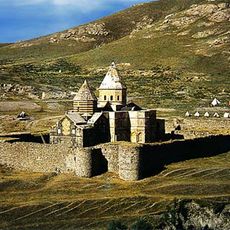
Azerbaijanis, Kurds, Armenians, and Assyrians live throughout the province, each group speaking their own language and following distinct customs and beliefs. As you travel through the region, you will notice different ways of building homes, preparing food, and celebrating holidays that reflect these separate communities.
Urmia is the main transportation hub connecting the region to Turkey and Iraq through border crossings and offering access via regional airports. Spring and autumn offer the most comfortable visiting conditions, as mountain passes become more challenging during winter and summer heat can be intense.
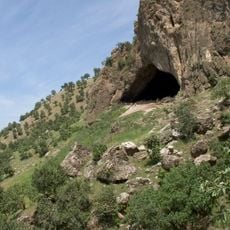
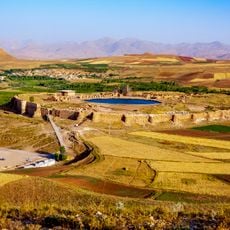
Archaeological digs at Teppe Hasanlu uncovered ancient objects from the 9th century BC, including a gold vessel decorated with mythological scenes. These discoveries reveal that the area was an important center of activity long ago.
The community of curious travelers
AroundUs brings together thousands of curated places, local tips, and hidden gems, enriched daily by 92,609 contributors worldwide.