Naqsh-e Rustam, Ancient necropolis near Marvdasht, Iran
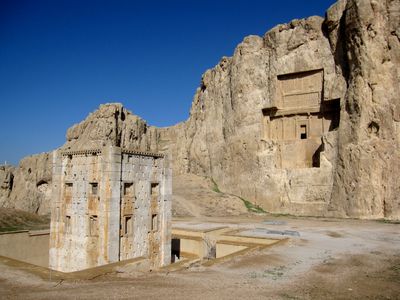
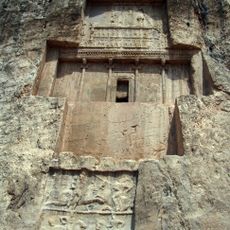
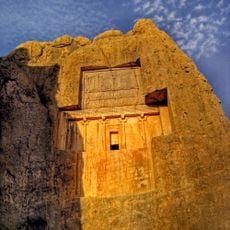
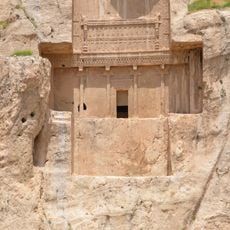
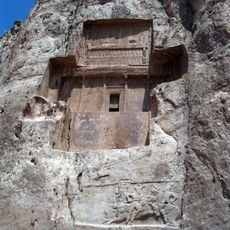
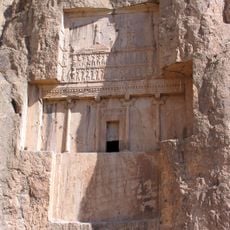
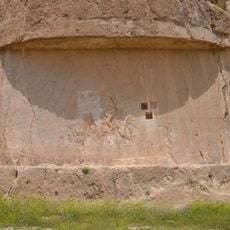
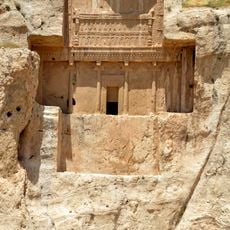
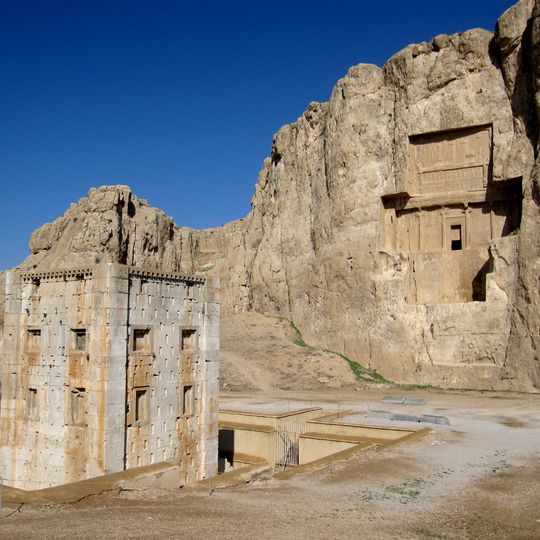
Naqsh-e Rustam is an ancient necropolis near Marvdasht in Iran, where four monumental royal tombs are carved into a high cliff face. Each tomb features a cross-shaped facade with detailed stone figures and inscriptions rising about 15 meters above ground level, organized through narrow vertical and horizontal openings.
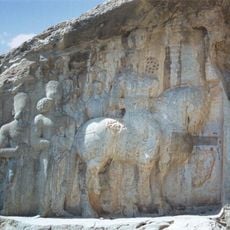
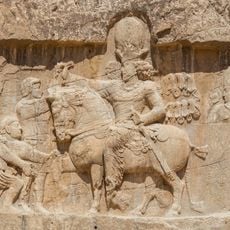
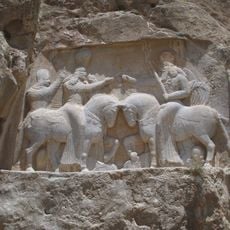
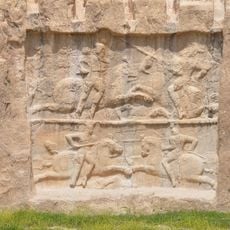
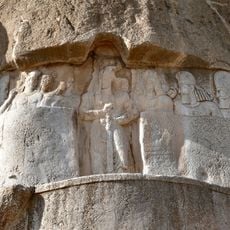
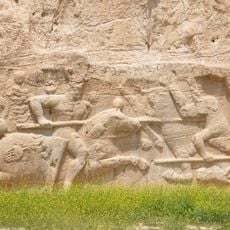
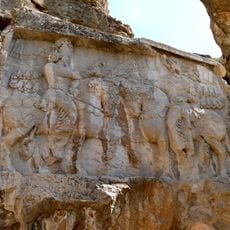
The tombs were created during Achaemenid rule between the 6th and 4th centuries BCE and house Persian kings including Darius I, Xerxes I, Artaxerxes I and Darius II. Later, Sassanid rulers added their own reliefs in the 3rd century CE, showing military victories and royal ceremonies.
The site takes its name from a Sassanid relief panel showing the mythical hero Rostam, though the scene actually depicts King Shapur I triumphing over Roman emperors. Visitors can view seven large rock reliefs showing coronations, victories and ceremonial scenes that immortalize royal power in stone.
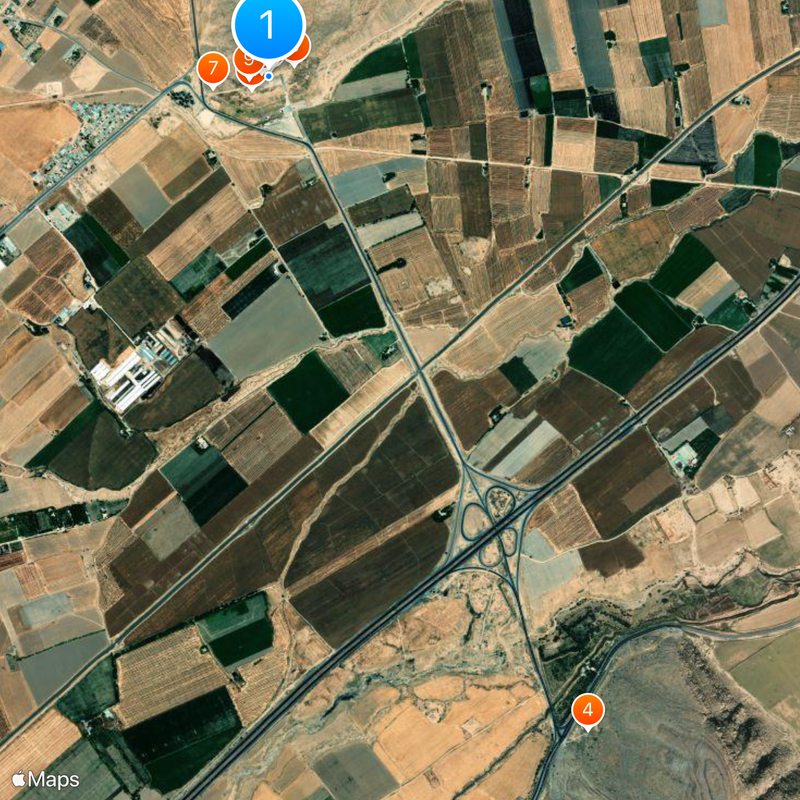
The site lies about 6 kilometers north of Persepolis and is accessible daily between 8 AM and 6 PM. Sturdy footwear helps with walking on uneven ground, and early morning or late afternoon offers more comfortable temperatures and better light for photos.
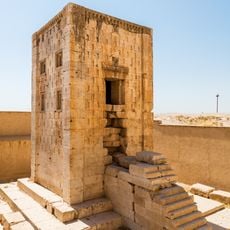
The stone facades of the tombs mimic the facades of royal palaces, complete with carved columns, doors and windows that were never meant to open. The square tower in front of the cliffs contains trilingual inscriptions in Middle Persian, Parthian and Greek documenting administrative reforms and military successes of a Sassanid king.
The community of curious travelers
AroundUs brings together thousands of curated places, local tips, and hidden gems, enriched daily by 92,668 contributors worldwide.