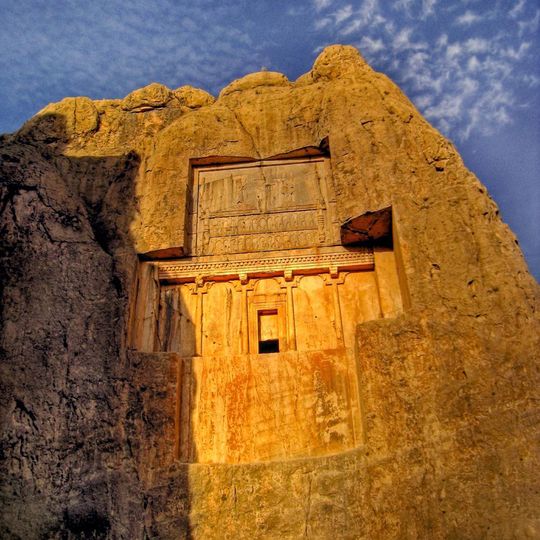
Tomb of Xerxes I, Rock-cut tomb in Naqsh-e Rustam, Iran
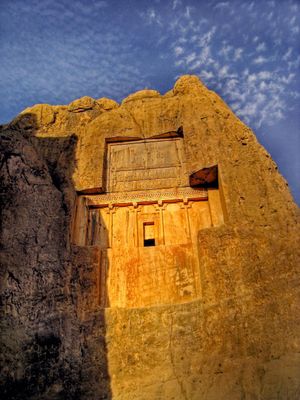
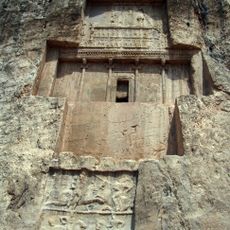
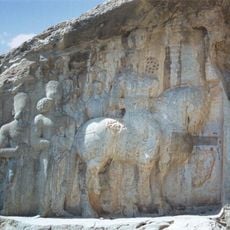
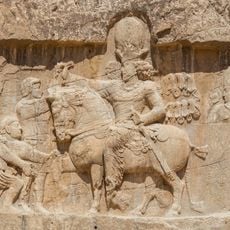
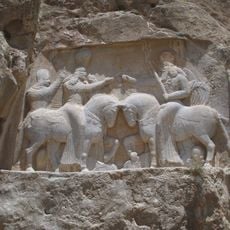
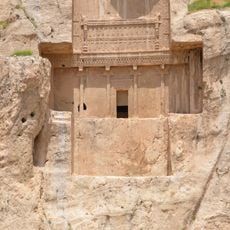
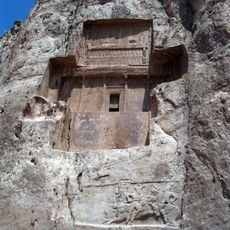
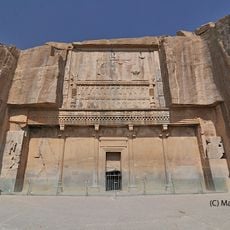
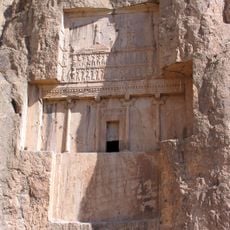
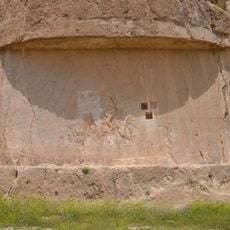
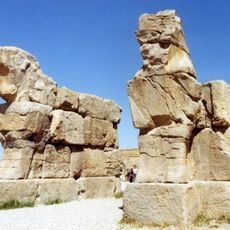
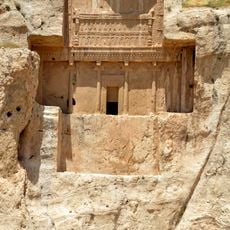
The Tomb of Xerxes I is a royal grave carved into a limestone cliff face at Naqsh-e Rustam with an imposing facade. The structure features a portal entrance that leads to a chamber designed to hold multiple burial containers.
The tomb was carved during the reign of Xerxes I from 486 to 465 BCE as a royal burial site. This project reflects the architectural skills and resources the Achaemenid empire possessed at the height of its power.
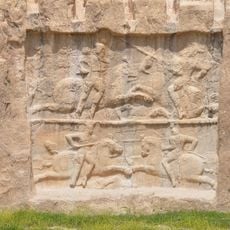
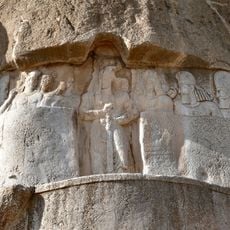
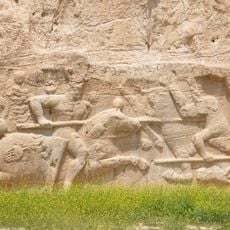
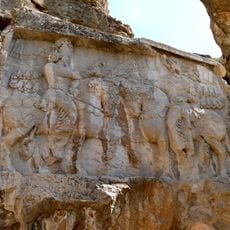
The tomb displays carved figures representing different peoples of the empire beneath a winged symbol. These carvings reflect how the ruler wanted to project power over the diverse lands he governed.
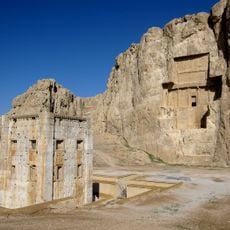
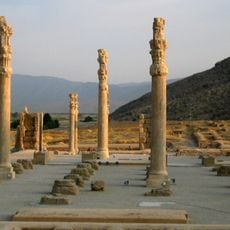
The site is accessible year-round and located near other Achaemenid monuments worth exploring. Early morning visits offer the best lighting to see the carved details clearly on the rock face.
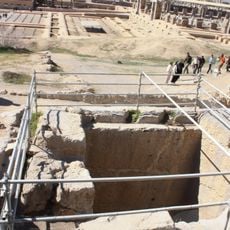
The burial chamber was emptied following Alexander's conquest of Persia, yet this loss allows visitors to see the original royal architecture without later modifications. The empty spaces reveal how such tombs were designed and constructed by ancient builders.
The community of curious travelers
AroundUs brings together thousands of curated places, local tips, and hidden gems, enriched daily by 92,004 contributors worldwide.