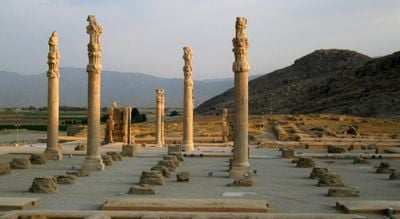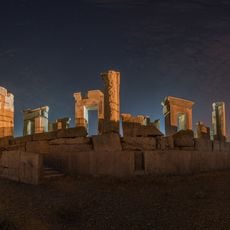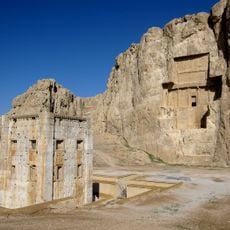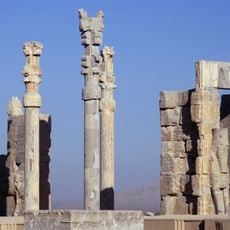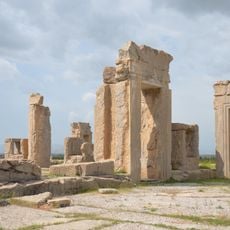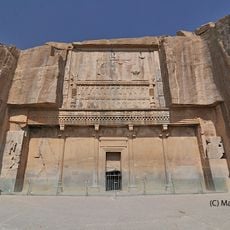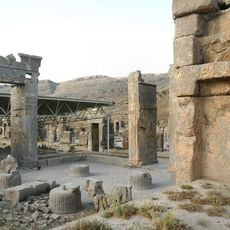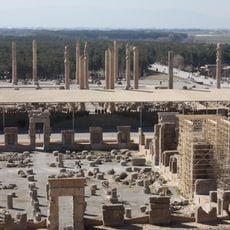
Apadana of Persepolis, Achaemenid palace in Persepolis, Iran
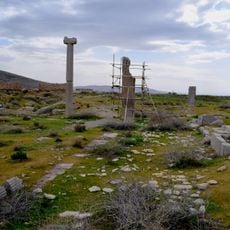
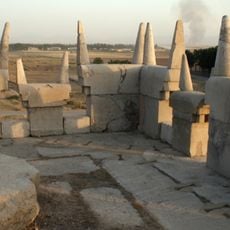
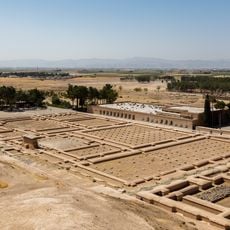
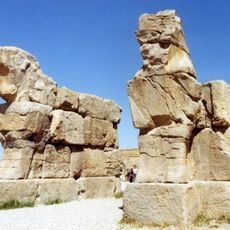
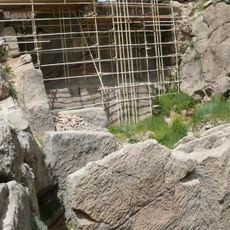
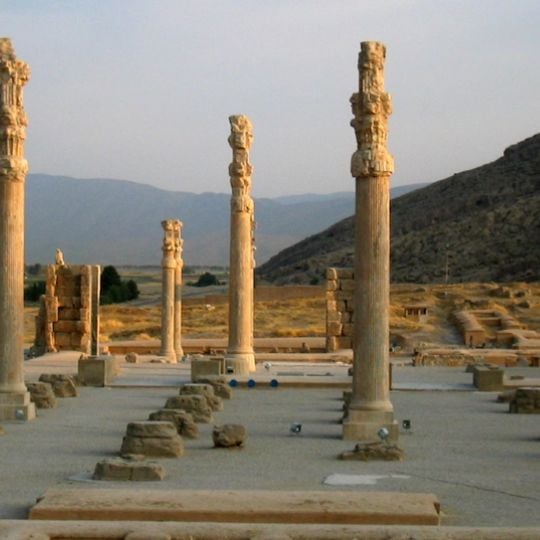
The Apadana is a massive palace with 72 stone columns that covered a large platform. The structure contains multiple chambers and connects to the surrounding area through wide decorated staircases.
The palace was built around 510 BCE under Darius the Great and served for centuries as the main gathering hall for official ceremonies. Its destruction came in 331 BCE when Alexander's forces swept through.
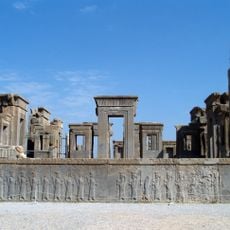
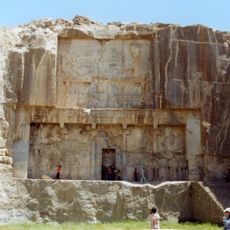
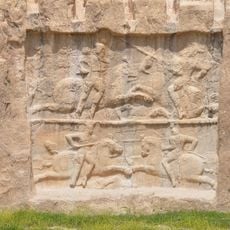
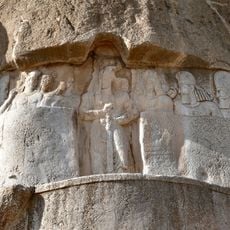
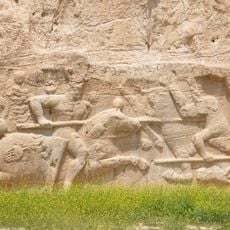
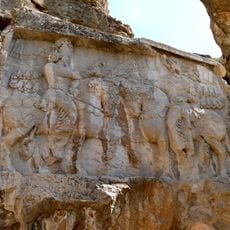
The eastern stairway shows carved scenes of representatives from different lands bringing gifts to the Achaemenid ruler. These reliefs give a sense of the many peoples who lived under his authority.
The site is accessible year-round and allows free exploration of the remains. About thirteen original columns still stand upright, giving the ruins their striking visual presence.
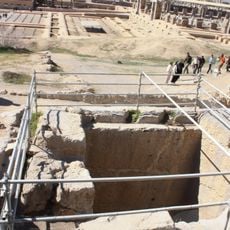
Beneath the structure lay silver and gold plates engraved with the king's lineage and accomplishments in several ancient languages. These rare finds offer insight into how the empire preserved its power and authority.
The community of curious travelers
AroundUs brings together thousands of curated places, local tips, and hidden gems, enriched daily by 92,115 contributors worldwide.