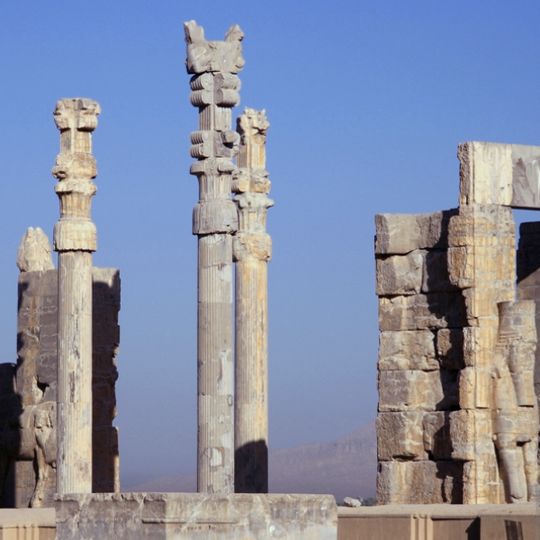
Gate of All Nations, Ceremonial entrance hall in Persepolis, Iran
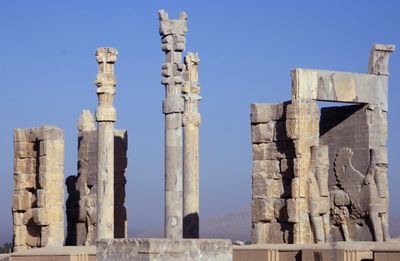
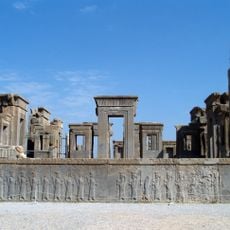
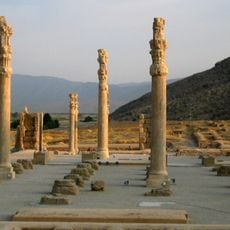
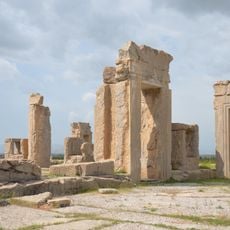
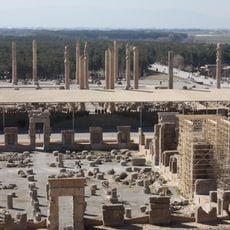
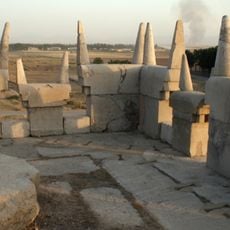
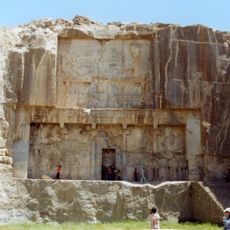
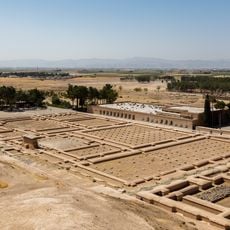
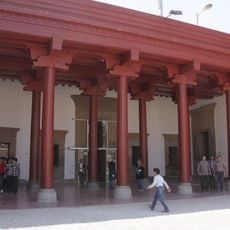
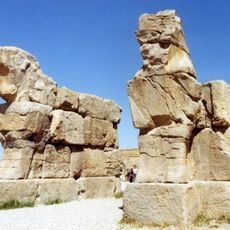
The Gate of All Nations is a ceremonial entrance hall in Persepolis with two parallel doorways and a central chamber between them, all constructed from limestone. The structure rises 16.5 meters high and formed a monumental entry point to the Achaemenid palace complex.
The gate was built under King Xerxes I, who designed it as part of the monumental Persepolis complex. Construction took place during his reign from 486 to 465 BCE and aimed to display the empire's power and international connections.
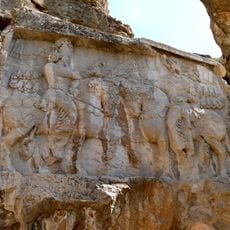
The gate displays large carved bulls and lamassus, mythological creatures with human heads that served as protective guardians in ancient Persian culture. These figures stood on both sides of the passages to welcome visitors while demonstrating the empire's power.
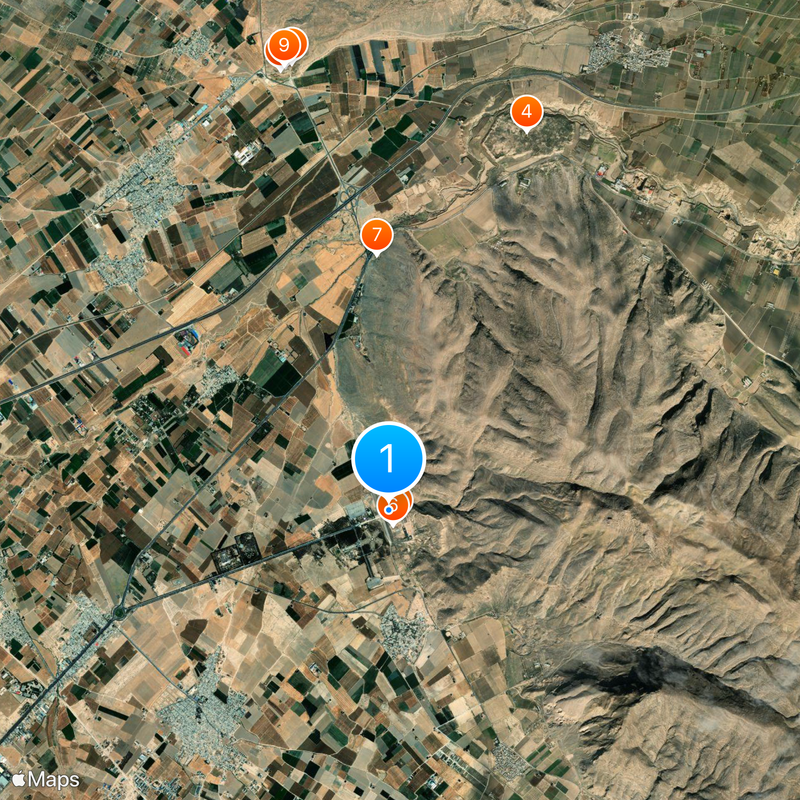
Visitors enter the archaeological site through the western entrance, following the same path that ancient delegations used when arriving at the capital. Entering this way helps travelers understand the original ceremonial route and the layout of the complex.
Dutch artist Cornelis de Bruijn created the first Western drawings of the gate in 1704, beginning a tradition of travelers leaving their names carved on the walls. These early records helped European scholars understand the scale and importance of ancient Persepolis.
The community of curious travelers
AroundUs brings together thousands of curated places, local tips, and hidden gems, enriched daily by 90,758 contributors worldwide.