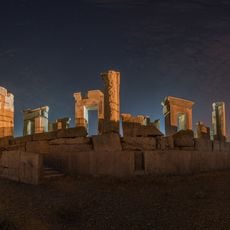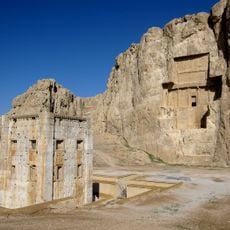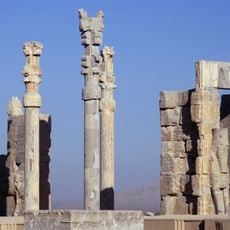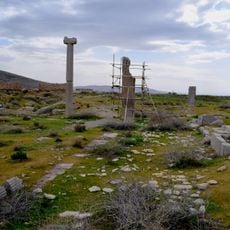
Tomb of Artaxerxes I, Rock-cut tomb in Naqsh-e Rustam, Iran
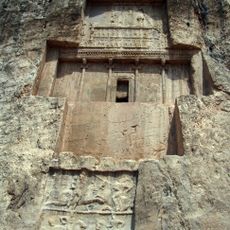
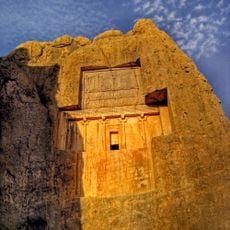
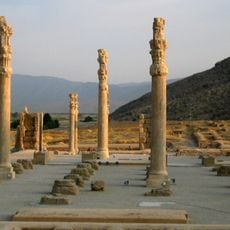
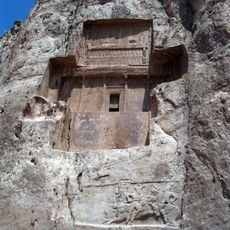
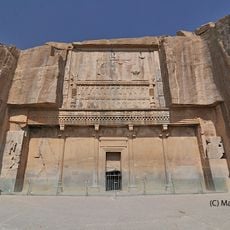
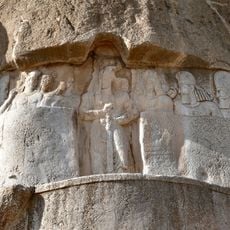
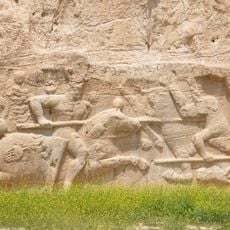
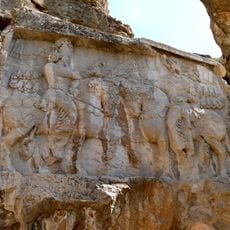
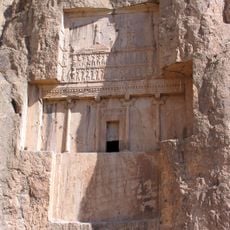
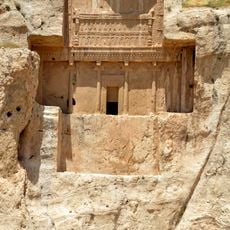
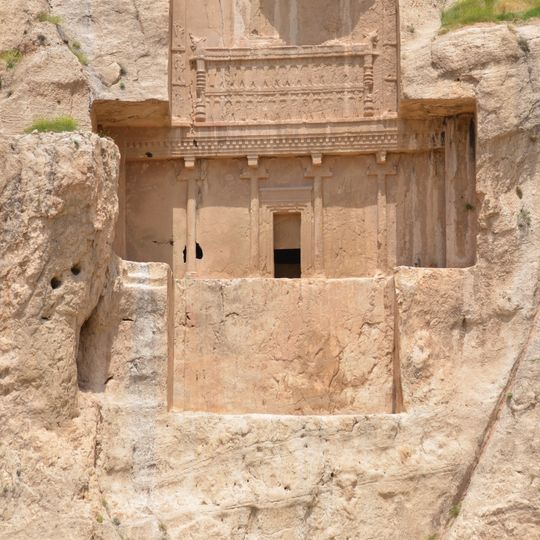
The Tomb of Artaxerxes I is a rock-cut burial chamber at Naqsh-e Rustam carved into the cliff face with a monumental entrance portal. The interior chamber contains architectural elements including columns and carved stone details that resemble those found in royal palaces.
Artaxerxes I commissioned this tomb during his reign from 465 to 424 BCE as the son of Xerxes I. Its construction occurred when the Achaemenid Empire was at its height of power and influence across the known world.
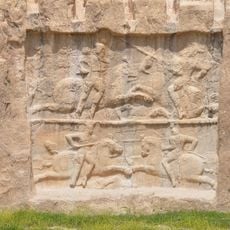
The facade displays inscriptions in Old Persian, Elamite, and Babylonian, reflecting how the empire communicated across its diverse territories. Visitors can see these carved texts and understand the multilingual world of the ancient rulers.
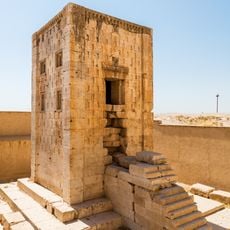
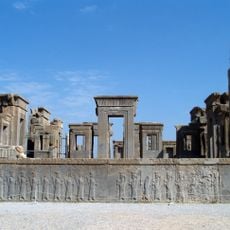
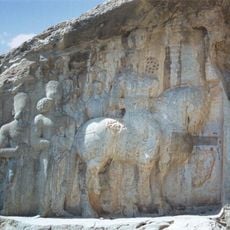
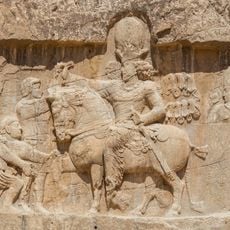
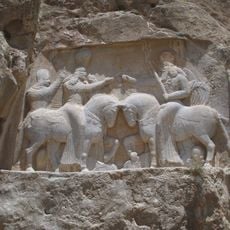
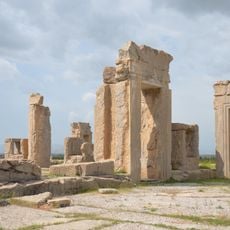
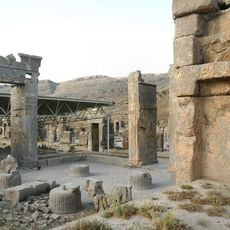
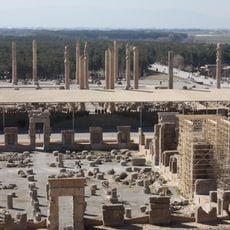
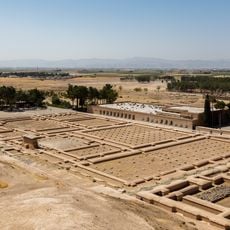
The tomb stands among three other royal Achaemenid burials at Naqsh-e Rustam, located roughly 12 kilometers northwest of Persepolis in Fars Province. Wear sturdy footwear and come prepared for walking on uneven ground, as exploring the site requires moving on foot around the rock formations.
The burial chamber was deliberately oriented so that sunlight enters at specific times of the year, following celestial positions. This thoughtful design reveals that the builders integrated astronomical knowledge into the tomb's layout.
The community of curious travelers
AroundUs brings together thousands of curated places, local tips, and hidden gems, enriched daily by 91,571 contributors worldwide.