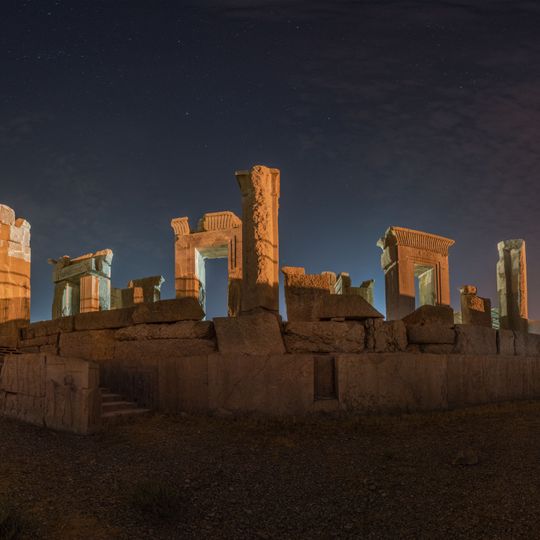
Persepolis, Archaeological site in Fars Province, Iran
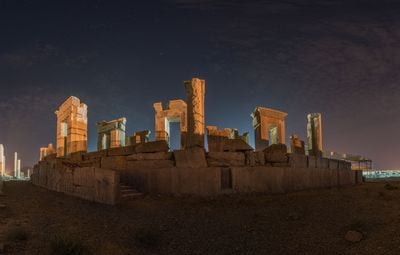
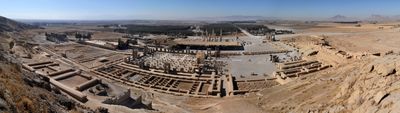
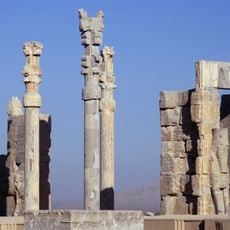
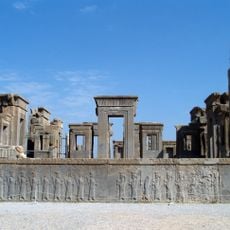
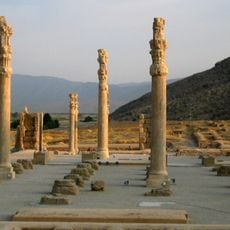
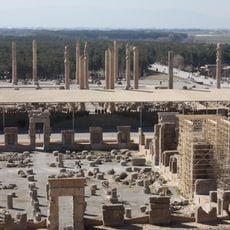
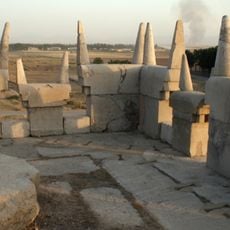
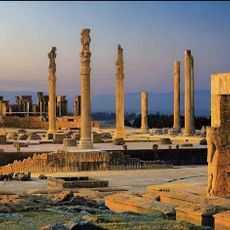
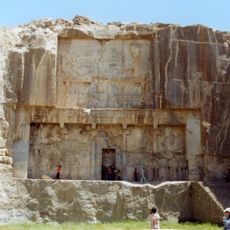
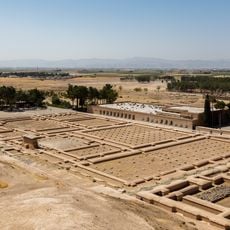
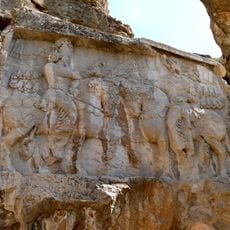
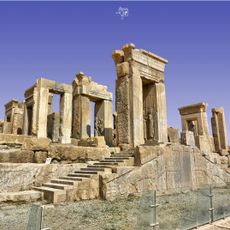
Persepolis is an archaeological site in Fars Province, Iran, built on an artificial limestone terrace at an elevation of 1,627 meters (5,338 feet). The complex extends across a large area with multiple columned halls, monumental staircases, and reliefs depicting processions of tribute bearers from different regions of the ancient empire.
Darius I began construction in 515 BCE of this ceremonial capital of the Achaemenid Empire, which was expanded by his successors. Alexander of Macedon conquered and burned the complex in 330 BCE, ending an era of Persian rule.
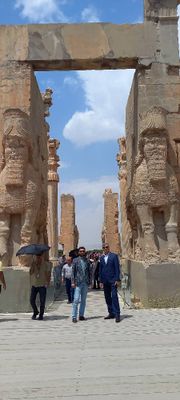
On certain days of the year, especially during Nowruz, Iranian families gather at the site to celebrate their national identity and cultural continuity. Visitors often see local groups reciting traditional poetry or performing music as they walk among the ruins.
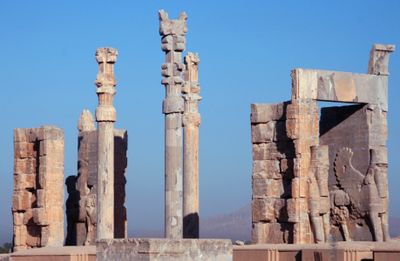
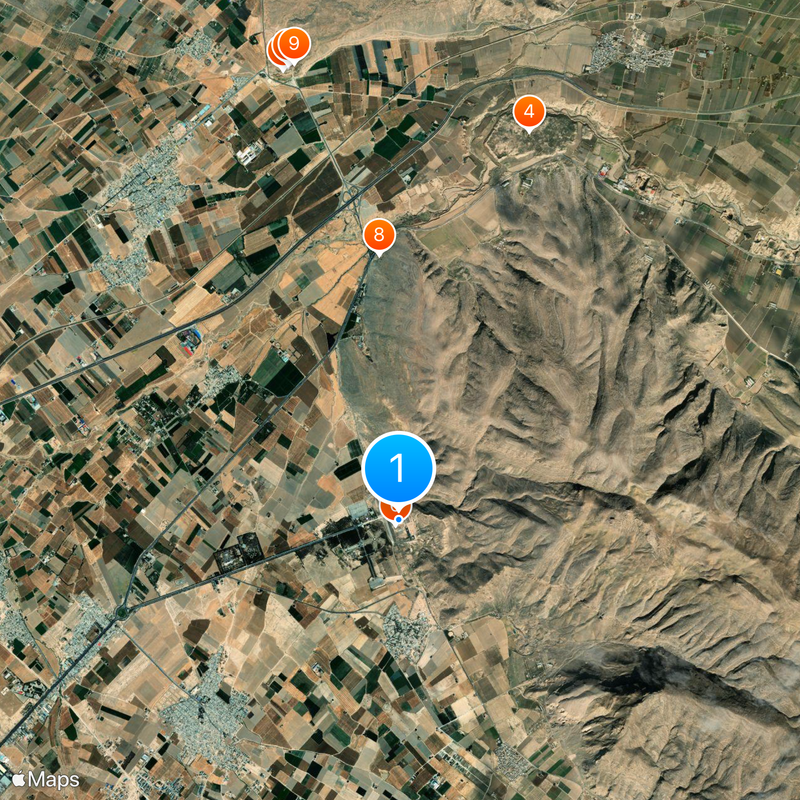
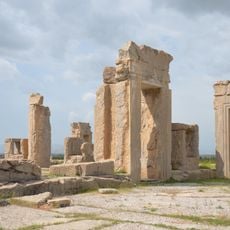
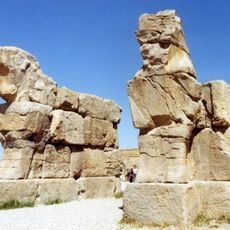
The best time to visit is early morning or late afternoon when temperatures are more bearable and the light brings out the stone carvings. The main entrance through the Gate of All Nations leads into a square hall from which the most important structures are easily accessible.
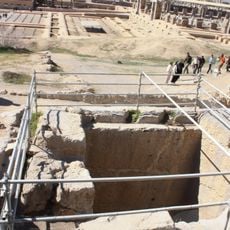
Archaeological excavations revealed that construction workers received regular wages and rations, challenging earlier assumptions about slave labor building ancient monuments. Administrative tablets also document the employment of craftsmen from different parts of the empire who came voluntarily.
The community of curious travelers
AroundUs brings together thousands of curated places, local tips, and hidden gems, enriched daily by 60,000 contributors worldwide.