Pasargadae, Archaeological site in Fars Province, Iran
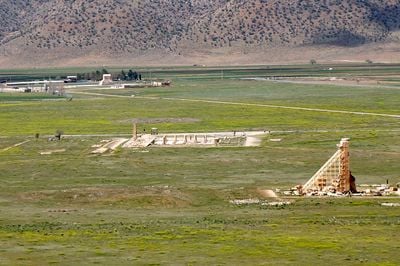
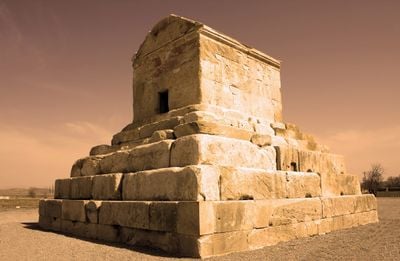
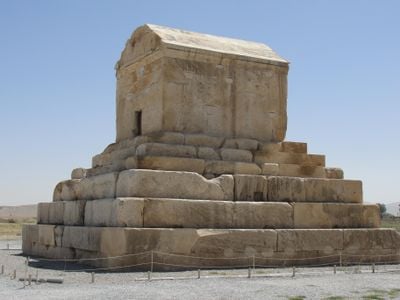
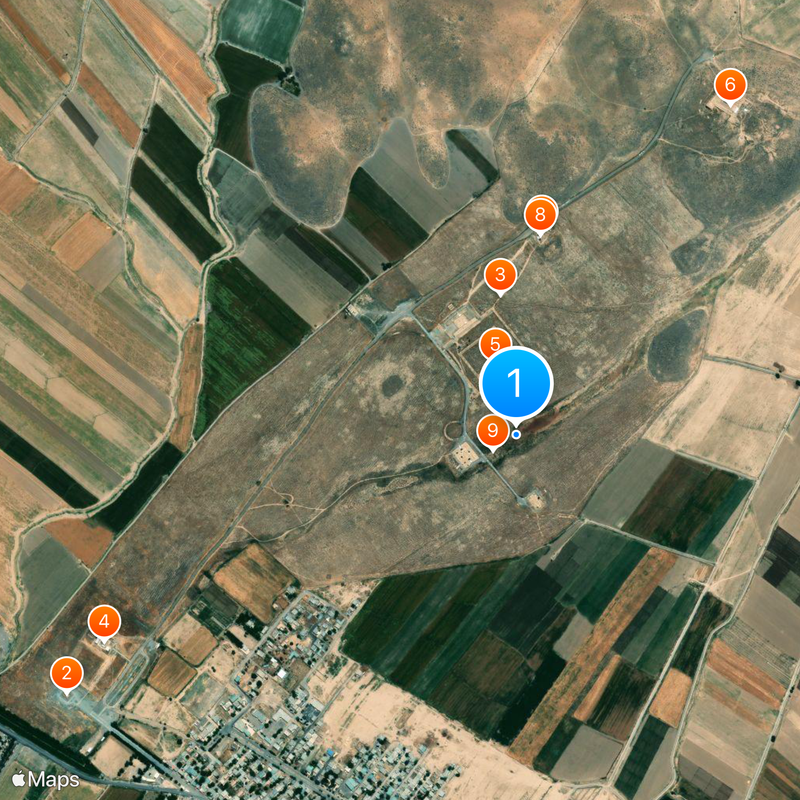
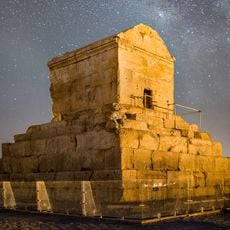
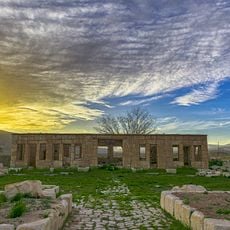
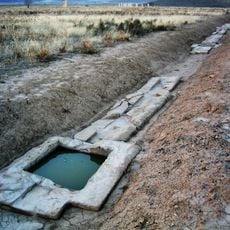
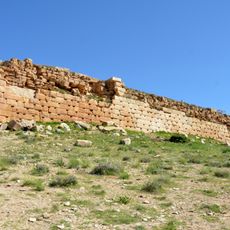
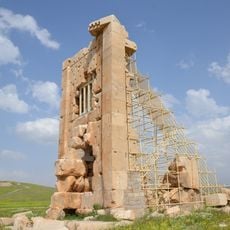
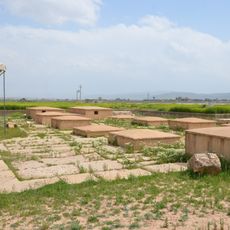
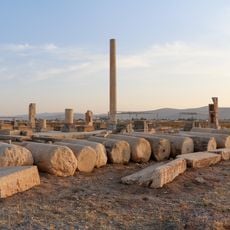
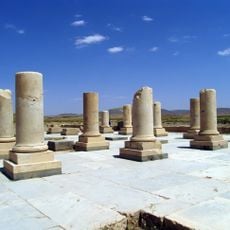
Pasargadae is an archaeological site in Fars Province, Iran, where remains of the first capital of the Achaemenid Empire spread across a wide plain. Large distances separate the structures, and visitors see palace foundations, stone platforms, remnants of water channels, and the freestanding tomb with its characteristic stepped form.
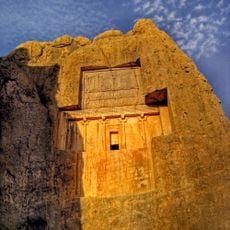
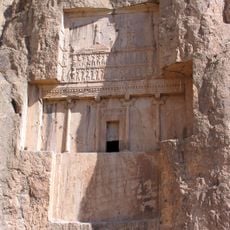
The site was founded around 550 before the common era after the victory over the Medes and served as the seat of rulers for roughly three decades. Later the center of power shifted to Persepolis, while the area continued to be used as a royal burial place and ceremonial location.
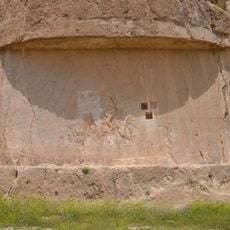
The name Pasargadae comes from the Old Persian term for Persian camp, recalling the battle that brought Cyrus to power. Today visitors can still see a trilingual inscription on the tomb façade, its cuneiform text carved directly into the stone.
The sprawling site lies open under the sky, so sun protection and enough water are recommended for the walk. Early morning hours or late afternoons offer more comfortable temperatures and better light for viewing the stone reliefs.
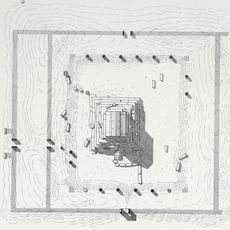
A roughly 13-meter (about 43 feet) tall figure with four wings was carved into a doorpost of a palace and may show the ruler himself or a protective deity. The arrangement of the palaces follows no enclosed city plan but appears scattered across the grounds, as if the buildings emerged individually as needed.
The community of curious travelers
AroundUs brings together thousands of curated places, local tips, and hidden gems, enriched daily by 60,000 contributors worldwide.