Hormuz Island, Persian Gulf island in Hormozgan Province, Iran
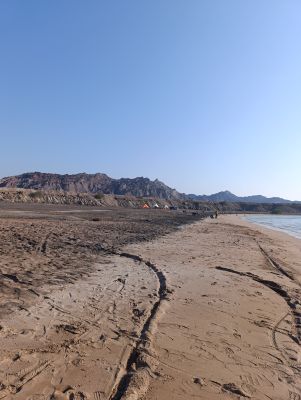
Hormuz sits in the Persian Gulf about 8 kilometers off the Iranian shore, part of Hormuz District in Hormozgan Province. Its coastline glows reddish brown from iron-rich rock, while scattered mangrove stands grow between hills tinted in shades of yellow, orange and purple.
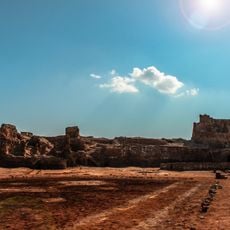
The island, called Jarun in the Islamic period, took its name from the mainland port of Hormuz 60 km away. Around 1300 its ruler moved his residence to the island to escape Mongol and Turkish attacks from the interior, and a new town, New Hormuz, grew at the northern tip. Afonso de Albuquerque captured it in 1507 and the Portuguese built the Fort of Our Lady of the Conception; Ottoman forces under Piri Reis besieged it in 1552. In 1622 Imam Quli Khan's troops took the fortress after a ten-week siege, and Shah Abbas I shifted trade to Bandar Abbas.
The island's name comes from the mainland port of Old Hormuz, 60 km away; the ruler moved his court to Jarun around 1300, and the new town's name gradually passed to the island. Islanders call the reddish ochre on the beaches Golak, and it is still used for art and cooking. The Museum of Ahmad Nadalian, founded in 2009 as the Paradise Art Centre, shows his rock carvings, works by local women, sea-creature bones and dolls of recycled material.
Boats run regularly from Bandar Abbas and Qeshm, while on shore most people use tuk-tuks or motorbikes to get around. Paths are often unpaved, so sturdy shoes and sun protection help for any outdoor walking.
The red rock holds so much iron oxide that locals mix fine powder from it into bread dough and fish dishes. This practice gives food a distinct color and a slightly mineral taste.
The community of curious travelers
AroundUs brings together thousands of curated places, local tips, and hidden gems, enriched daily by 92,661 contributors worldwide.