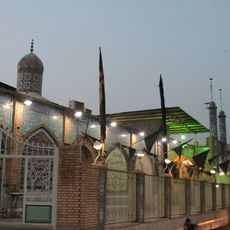
Tomb of Daniel, Sacred mausoleum in Shush, Iran
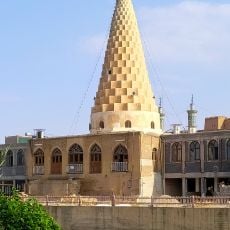
The Tomb of Daniel in Shush is a shrine whose most visible element is a tall conical tower of stacked light-coloured stone blocks, topped by a slender metal finial. In front of it stands a low wall clad in blue tiles with white geometric and floral patterns, pierced by three pointed arches; white script tiles sit above the left arch. Two slender blue-tiled pillars with small dark finials stand before the wall, and a shallow stepped stone platform runs along the base.
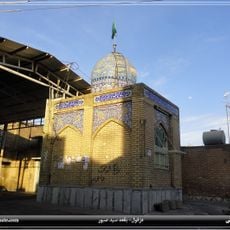
The present structure dates from the Qajar period and replaced earlier buildings on the same site. The two-layered dome was erected during the Seljuk era and demonstrates advanced construction methods of the time, shaping the upper section of the shrine to this day.
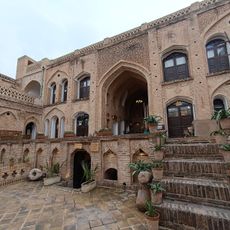
This site remains a place of devotion for both Muslims and Jews, as Daniel is believed to rest here according to tradition. Pilgrims from both communities visit the burial chamber regularly and pray in the surrounding courtyards beneath the vaulted arcades.
Visitors enter the building through two courtyards, which contain rooms for guests and offer quiet space for rest. Inside the burial chamber, mirror decorations and continuous tile work guide you through the different sections of the complex.
Tiles with inscriptions from the year 1330 in the Islamic calendar have been preserved in several areas of the complex. These panels mark architectural elements and provide clues about earlier building phases that visitors can discover while walking through the grounds.
The community of curious travelers
AroundUs brings together thousands of curated places, local tips, and hidden gems, enriched daily by 94,618 contributors worldwide.