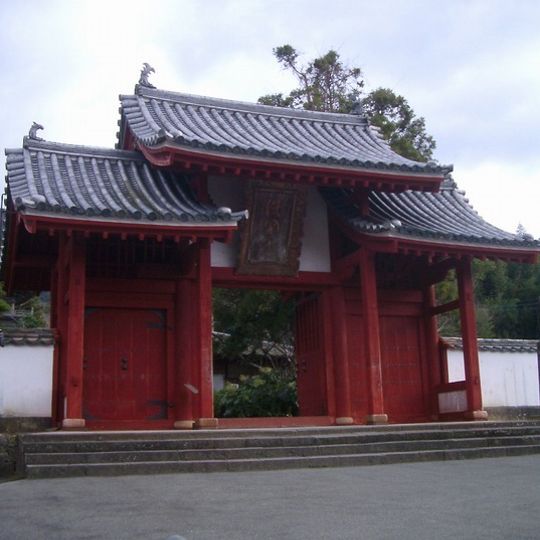
Tōkō-ji Temple, Buddhist temple in Hagi, Japan
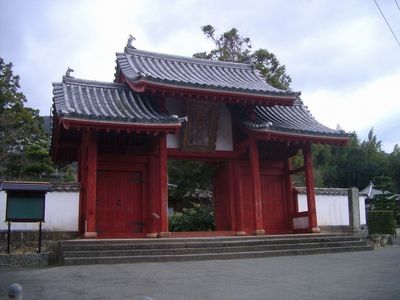
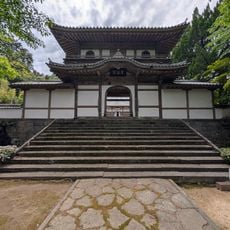
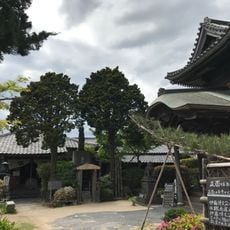
Tōkō-ji is a Zen temple set within a forest landscape, with several wooden structures featuring architectural influences from China and framed by a distinctive red entrance gate. The buildings are arranged thoughtfully throughout the grounds, creating spaces that blend traditional design with the natural surroundings.
Mōri Yoshinari, third lord of Chōshū Domain, founded Tōkō-ji in 1691, modeling it on Manpuku-ji, the Ōbaku head temple in Uji. After his death the temple became the Mōri clan bodaiji, and the graves of the odd-numbered lords from Yoshinari to Narimoto were placed here. The cemetery was separated from the temple in the first year of Meiji and designated a National Historic Site in 1981.
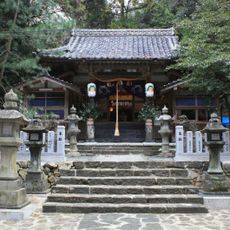
The cemetery holds the graves of five odd-numbered Chōshū daimyō, from third lord Mōri Yoshinari to eleventh lord Mōri Narimoto, plus about 40 tombs of wives, concubines and relatives. Each daimyō grave is a square granite pillar about 4.4 meters tall, engraved with the family crest but no date of death, and 500 stone lanterns donated by senior vassals line the approach.
The temple is easily accessible to visitors and can be reached on foot or by local bus from Hagi city center. Comfortable walking shoes are recommended since exploring the cemetery involves forest paths with uneven terrain.
The 500 stone lanterns lining the cemetery were donated one each by senior vassals of the Mōri clan, not by ordinary worshippers. The gravestones themselves are square granite pillars about 4.4 metres tall, engraved with the family crest but deliberately without any date of death. The cemetery became Mōri clan property in the first year of the Meiji era and remains so.
The community of curious travelers
AroundUs brings together thousands of curated places, local tips, and hidden gems, enriched daily by 93,380 contributors worldwide.