Rinsen-ji, Buddhist temple in Bunkyo, Japan
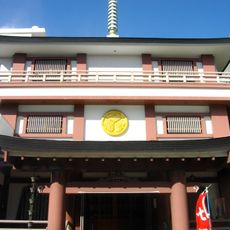
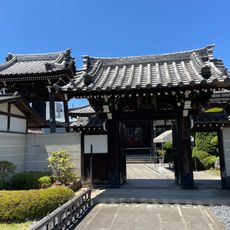
Rinsen-ji is a Sōtō Zen temple on a hillside in Kohinata, Bunkyō, with the mountain name Seiryūzan. Its grounds hold a main hall, a meditation hall and a stone Jizō statue bound with rope, the Shibari Jizō, donated by the temple's founder Itō Hanbee Nagamitsu for his parents' memorial. The temple also keeps a standing Jizō statue and a seated Dōgen Zenji figure.
Founded in 1602 by Itō Hanbee Nagamitsu, Rinsen-ji belongs to the Sōtō school of Zen Buddhism and carries the mountain name Seiryūzan. The temple's bound Jizō statue was donated by Nagamitsu for the memorial of his parents. A resident priest has suggested that tying the statue allowed townspeople to voice grievances to the shogunate's temple magistrates.
The bound Jizo is the temple's best-known figure: worshippers tie ropes around the statue while making a wish and untie them once it is granted, a practice recorded in the Edo-period guidebook Edo Sunago. The zazen group has met here since 22 February 1984, and the temple is known in Japan and abroad as a birthplace of Zen in Tokyo.
Visitors should know the temple is easily accessible by public transport and the grounds can be explored on foot without difficulty. It is helpful to check in advance which activities take place on specific days to ensure you see what interests you.
The bound Jizo is a standing Jizo Bosatsu statue donated by Ito Hanbee Nagamitsu for the repose of his parents. Edo-period guidebook Edo Sunago records the custom: worshippers tie the figure with rope when making a wish and untie it once the wish is granted. The temple's 33rd abbot, Eda Kazuo, suggested the town magistrate used the binding to ease townspeople's discontent.
The community of curious travelers
AroundUs brings together thousands of curated places, local tips, and hidden gems, enriched daily by 94,018 contributors worldwide.