Hikawakuwa Shrine, Shinto shrine in Saitama Prefecture, Japan
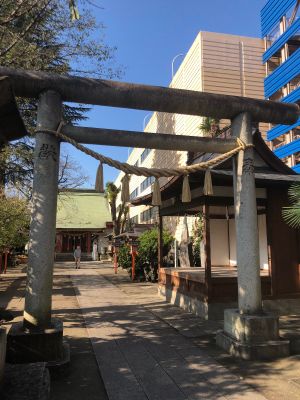
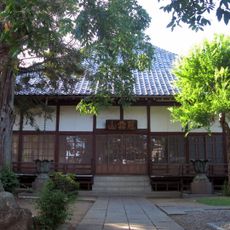
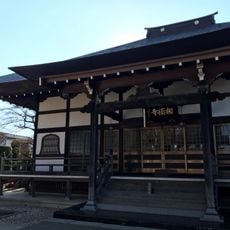
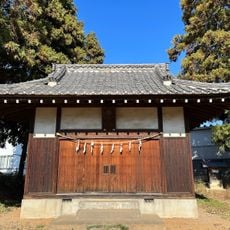
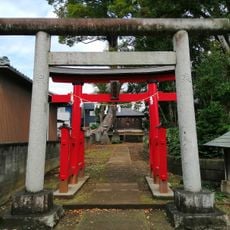
Hikawa Kuwajinja is a traditional Shinto shrine in Ageo with simple wooden structures and quiet grounds surrounded by mature trees. Stone monuments on the site mark the location of a historic school from the Edo period, showing how education and spirituality developed together in this place.
According to tradition, the shrine was founded in 1631 after a box pulled by a boy from Okegawa stopped in front of the Ageo-juku honjin and the boy vanished. The box held two hoes and rice ears, and the hoes were enshrined as the deity. The rice, called mikoshine, was multiplied and shared among locals. Long known as Okudaijingu, it took its present name in 1908 after a female-deity shrine from the Hikawa Shrine was merged into it.
The shrine served as the center of community life and a place where people gathered to pray for harvests and protection. Visitors today can observe how the local traditions remain alive through seasonal festivals and the respect people show when entering the grounds.
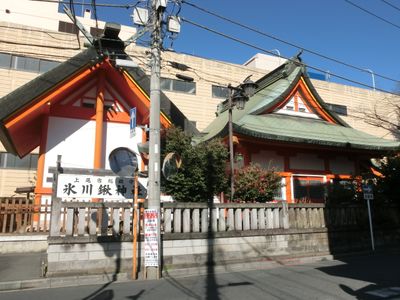
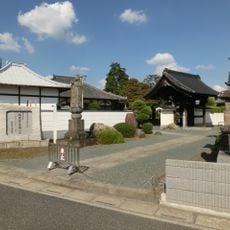
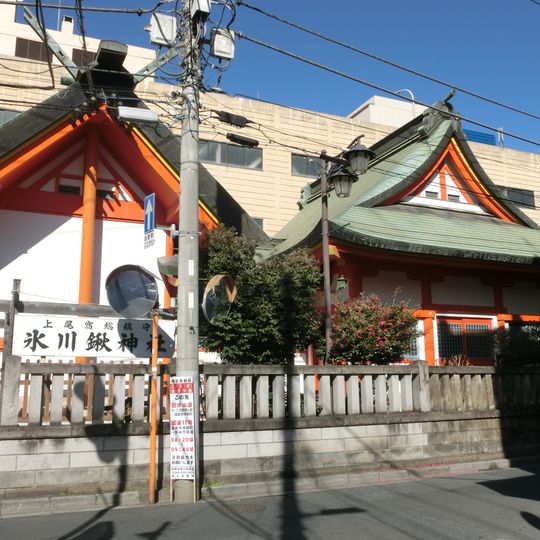
The shrine is a three-minute walk from Ageo Station on the Takasaki Line, close enough that the approach is easy to combine with a walk through the surrounding streets. The grounds are entered past a stone and concrete wall with a wooden fence, and a utility pole and its wires stand in front of the shrine. Look for the white sign with black Japanese text naming the shrine before you go in.
The shrine's name combines Hikawa, from the Hikawa Shrine whose female deity was merged here in 1908, with kuwa, the hoe. Local people call it "Okuwa-sama". The founding legend tells of a boy from Okegawa whose chest stopped in front of the Ageo inn and who vanished; inside were two hoes and rice ears, and the hoes became the sacred body.
The community of curious travelers
AroundUs brings together thousands of curated places, local tips, and hidden gems, enriched daily by 94,233 contributors worldwide.