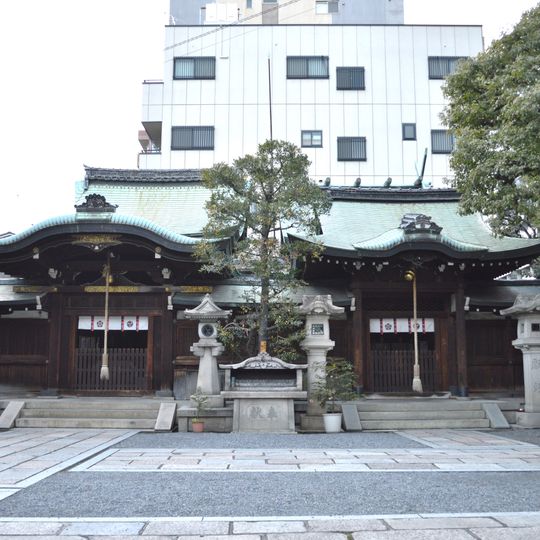
Nagi Shrine, Shinto shrine in Kyoto Prefecture, Japan
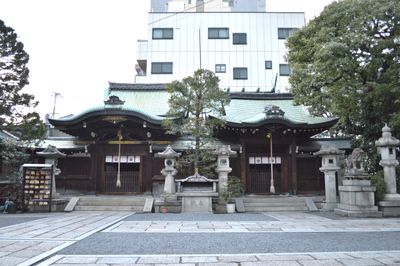
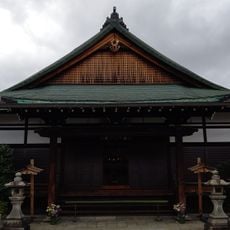
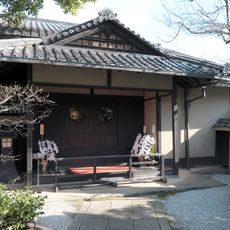
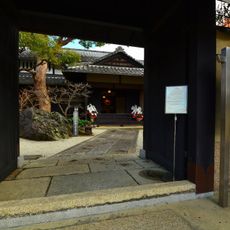
Nagi-jinja is a small Shinto shrine in Mibu district, Nakagyō, built in nagare-zukuri style where the roof characteristically extends across the front of the building. The structure features simple wooden columns and a gracefully curved roof with decorative boards, creating a balanced and peaceful appearance.
According to shrine tradition, in 869 a rite against epidemic disease was held after an outbreak in Kyoto, and the mikoshi carrying a divided spirit of Gozu Tennō (Susanoo) from Hiromine in Harima was placed in a grove of nagi trees and worshipped there. When the Gion Shrine was founded at Yasaka, residents of Nagi escorted the mikoshi with flower-decked umbrellas and halberds, the origin of the Gion festival's umbrella halberds. Until the Meiji era it was a small shrine, rebuilt in 1874 and 1929.
The shrine is deeply connected to the Gion Festival, one of Kyoto's most celebrated annual events. Local tradition credits this place with being the origin point of that festival, which is why it is sometimes called Moto Gion-sha, or the original Gion shrine.
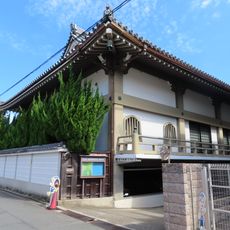
The shrine is at 18-2 Mibu Naginomiya-cho, Nakagyo Ward, a four-minute walk west from Omiya Station on the Hankyu Kyoto Line or Shijo-Omiya Station on the Keifuku Arashiyama Line. City buses stop at Mibu-ji-michi. The grounds sit directly in front of a tall white building, and the offering stone on the north side of the precinct is where Gion Festival procession offerings are placed.
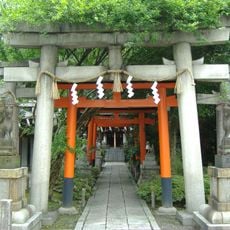
Hayabusa-jinja, now within these grounds, stood in the Shikaken-in villa precinct at Shijō before moving to Shijō-Ōmiya; it was relocated here in 1918, and a stone monument marks the old site. In the Edo period its name was read "Hayakusa", so people prayed to it for healing of skin ailments.
The community of curious travelers
AroundUs brings together thousands of curated places, local tips, and hidden gems, enriched daily by 93,551 contributors worldwide.