Mawaki Site, Archaeological site in Noto Peninsula, Japan.
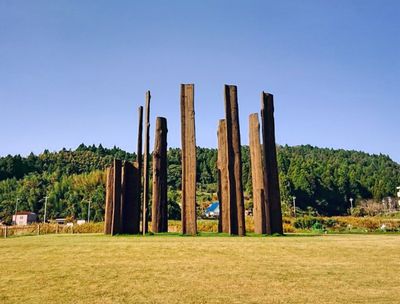
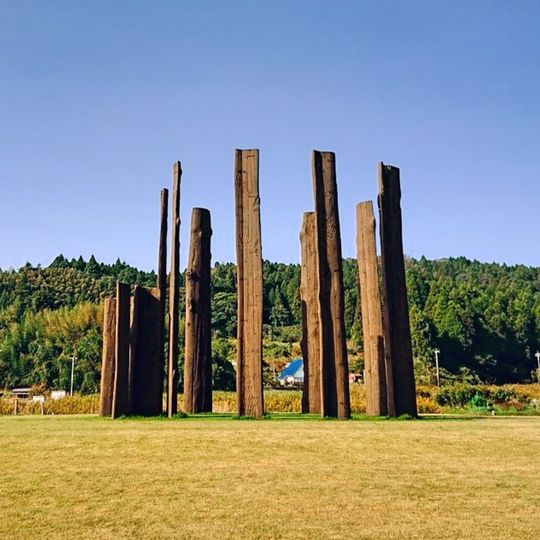
The Mawaki Site is a Jomon-period settlement in Noto, Ishikawa Prefecture, buried about one metre below former rice paddies in an inlet. Excavations revealed a 2.5-metre carved pillar, more than 300 dolphin bones, clay figurines and a clay mask. Seven tall wooden pillars now stand in a row on the grassy field, with wooded hills behind them.
People established a settlement at this location during the Jomon period around 6000 years ago and remained there for thousands of years. The community passed through different phases with varying lifestyles and techniques before eventually ceasing to be inhabited.
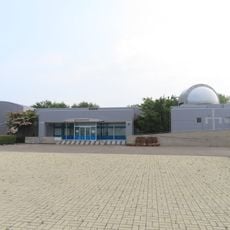
The site's name comes from the Mawaki district of Noto. Finds include a 2.5-metre carved wooden pillar, clay figurines and a clay mask considered the oldest of its kind from the late Jomon period. The excavated objects, 219 of them designated Important Cultural Properties in 1991, are shown at the Mawaki Jomon Hall beside the park.
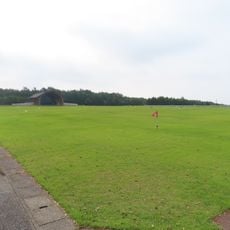
The site is laid out as Mawaki Site Park, with the Mawaki Jomon Museum (Jomon-kan) showing the 219 Important Cultural Property finds, plus an experience hall, the Jomon Mawaki hot spring and the Po-le Po-le lodging and training facility. The excavated layers lie about 1 m below the former rice fields and extend roughly 3 m down, so the park presents the archaeology above the buried deposits.
Archaeologists discovered hundreds of dolphin bones at this location, revealing that early residents developed techniques to hunt these large sea mammals. This finding reveals a surprisingly specialized hunting culture that went far beyond simple coastal gathering.
The community of curious travelers
AroundUs brings together thousands of curated places, local tips, and hidden gems, enriched daily by 93,425 contributors worldwide.