Kaniman-ji Temple, Buddhist temple in Kizugawa, Japan
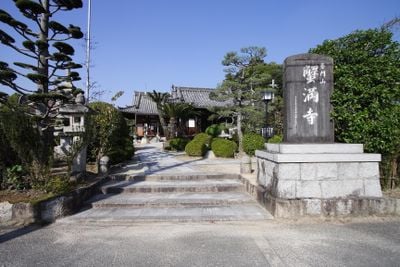
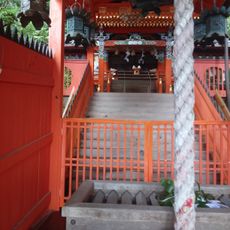
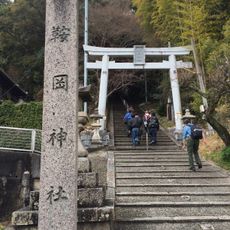
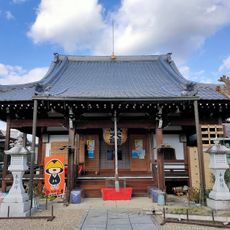
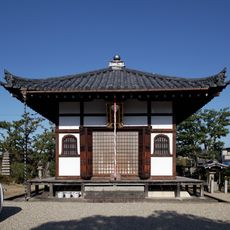
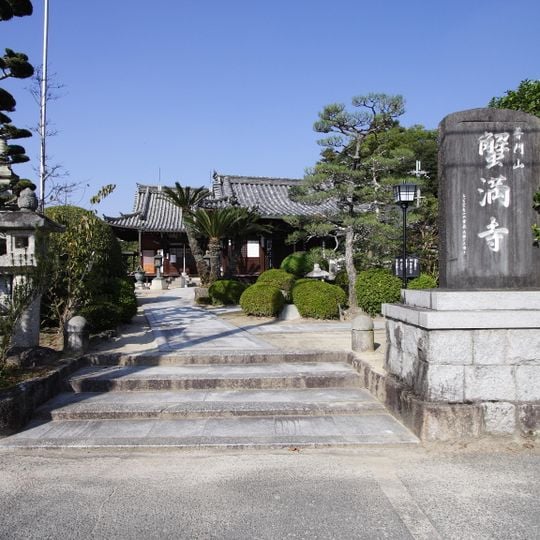
Kaniman-ji is a Shingon Chizan school temple in Kabata, Yamashiro, Kizugawa, with the mountain name Fumonzan. Its main hall, rebuilt in 2010, enshrines a seated bronze Shakyamuni Buddha 240 cm tall, blackened with traces of gilding on the cheeks. At the entrance stands a dark gray stone stele carved with the white characters 蟹満寺, and crab sculptures are placed around the grounds.
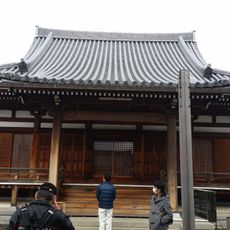
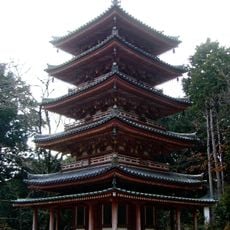
Excavations in the area point to a foundation at the end of the Asuka period, in the late 7th century; the founder and early history are unrecorded. In 1711 the Shingon monk Ryōhan of Chishaku-in entered and revived the temple. The main hall, rebuilt in 1759, was replaced again in 2010, so no old buildings survive.
The temple's name comes from the crab-repayment legend recorded in the Konjaku Monogatarishū, a tale of a crab's gratitude. The place name Kabata was once read Kanihata or Kamuhata and written with characters such as 蟹幡; the temple was also called Kabata-ji or Kamihata-ji before the present name was adopted and linked to the legend. Crab carvings are placed around the grounds.
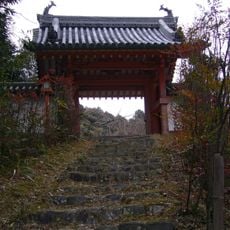
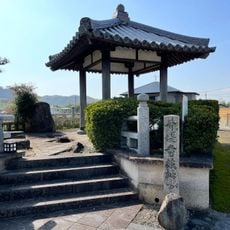
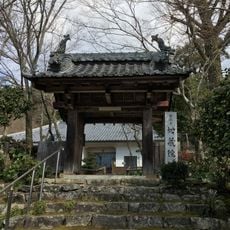
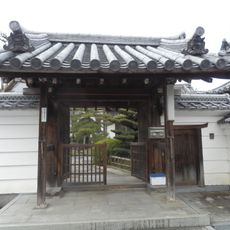
The temple stands in Yamashiro-cho Kabata, Kizugawa, and the nearest rail access is JR Tanakura Station, from which a taxi or a walk covers the last stretch. The hondo was rebuilt in 2010, so the main hall is modern, while the bronze Buddha is displayed inside it. The hojo pond lies across the road, in front of the sanmon gate.
A 2005 excavation concluded the pedestal had never moved since the temple's founding, but a 2008 re-examination by the Kizugawa City Board of Education found an Edo-period layer beneath it and showed the pedestal was made from a reused Edo-period gravestone. The bronze weighs 2,172 kg, far less than the 4,947 kg Yakushi-ji image, with body walls only 2–3 mm thick.
The community of curious travelers
AroundUs brings together thousands of curated places, local tips, and hidden gems, enriched daily by 93,655 contributors worldwide.